What Is Remote Viewing and How Is It Used by the CIA?
TL;DR
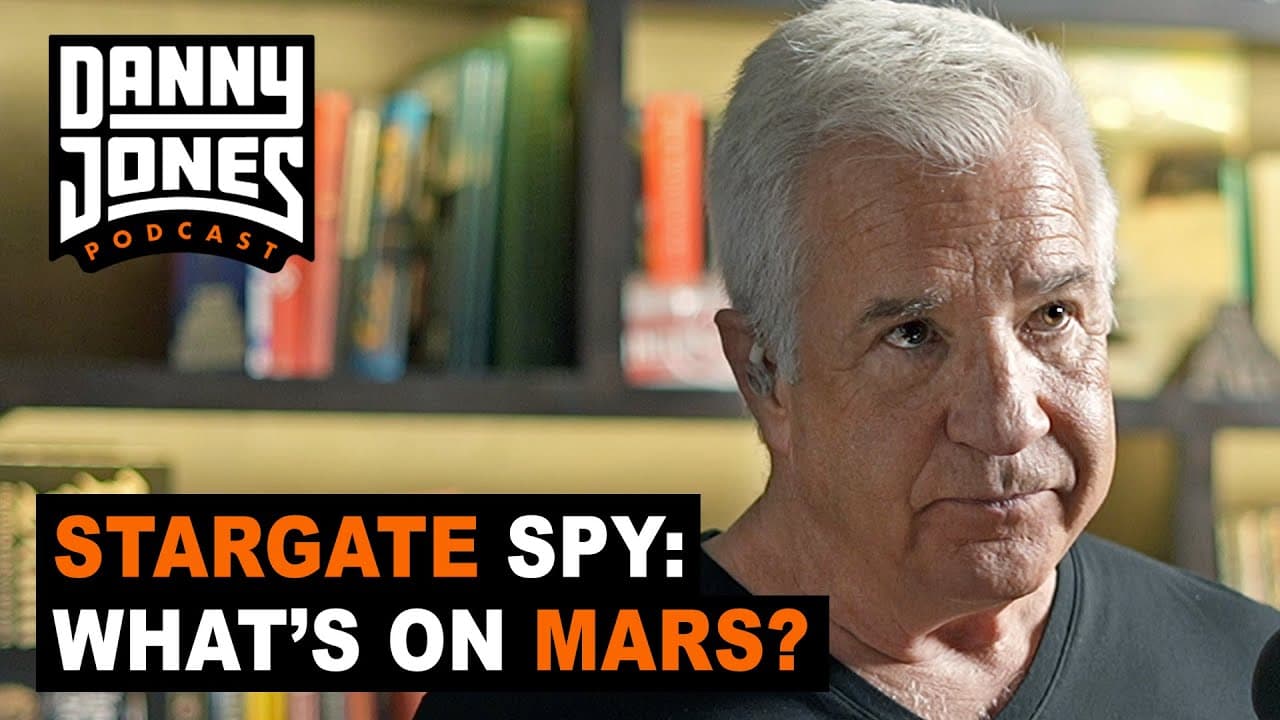
Remote viewing is a practice where individuals attempt to gather information beyond physical perception, often used for intelligence purposes. The CIA has employed remote viewing in strategic operations, including deception against drug cartels by using engineered pathogens to create chaos and undermine production. Despite historical success, challenges persist due to the ongoing demand for narcotics in society.
Transcript
I have a genetic break that I am one of those guys that does not respond to hallucinogens really big disappointment wow I mean I grew up in the 60s so you know nothing nothing not even not even weed no weed what are you talking about that's like like marijuana edibles or nothing like that God no you know wow but I'm talking about l sorry I'm sorry ... Read More
Key Insights
- 🫵 Remote viewing operates on the premise of accessing information beyond physical perception, relying heavily on subjective interpretation.
- ⛓️ Strategic deception against drug cartels utilized engineered pathogens to create chaos within their operations, demonstrating a calculated approach to disrupting supply chains.
- 🌍 The CIA's historical focus on remote viewing and strategic deception underscores the lengths agencies will go to maintain national security amidst evolving threats.
- 🏍️ The effectiveness of drug interdiction efforts is often hindered by the entrenched demand for narcotics in society, perpetuating cycles of violence and trafficking.
- 😀 Ethical concerns surrounding strategic deception reflect the complexities and moral quandaries faced by intelligence agencies as they navigate operations with potential human costs.
- 💱 The drug trade remains a persistent challenge, with evolving strategies necessary to address the changing dynamics of cartels and their operations.
- 👮 The impact of technology, such as military-grade surveillance, on cartel activity illustrates the ongoing battle between law enforcement and organized crime.
Install to Summarize YouTube Videos and Get Transcripts
Explore YouTube Video Summarizer or Get YouTube Transcript Extractor
Questions & Answers
Q: What is remote viewing, and how is it distinct from traditional intelligence-gathering methods?
Remote viewing is a practice that claims individuals can perceive information about a distant or unseen target using extrasensory perception. Unlike traditional intelligence that relies on observable data and empirical evidence, remote viewing relies more on subjective experiences and interpretations, which can lead to varying results and interpretations.
Q: How did the strategic deception involving drug cartels work?
The strategic deception involved bioengineering pathogens specific to coca plants that could render cocaine inert. These pathogens were microencapsulated and sprayed over cartel fields, leading to chaos and distrust among the cartels as they discovered that their product was useless, prompting internal conflicts.
Q: What was the outcome of the strategic deception program?
The strategic deception program successfully disrupted the cocaine supply chain by creating mistrust among the cartels. As a result, violence increased as rival cartels fought for dominance and blamed each other for the loss of profits, showcasing the program's effectiveness in promoting intra-cartel warfare.
Q: Are there current remote viewing programs in operation today?
While the operations of past remote viewing programs were officially closed or deemed ineffective, it is suggested that such methodologies likely continue in secret, likely adapted and reclassified within secure environments to gather insights without public scrutiny.
Q: What are the ethical implications of using strategic deception in intelligence operations?
The use of strategic deception raises ethical concerns, particularly regarding collateral damage and the potential for unintended consequences. Decisions to engage in such deception must weigh the broader impact on human life against the benefits of intelligence goals.
Q: Why was Barry Seal significant in the context of the drug trade?
Barry Seal was a notorious drug smuggler for the Medellín Cartel who became a key player in bringing cocaine into the U.S. His involvement highlighted the complexities of the drug trade and the interplay between law enforcement and criminal enterprises during the drug war.
Summary & Key Takeaways
-
The content delves into the personal experiences of a former remote viewer who reflects on the efficacy and methodology of remote viewing, emphasizing its anecdotal nature compared to empirical science.
-
It covers the creation of strategic deception programs targeting drug cartels, specifically detailing how pathogens were engineered to disrupt drug production, leading to intra-cartel conflicts.
-
The discussion highlights the ongoing challenges in combating drugs and the complexity of intelligence operations, suggesting that while progress has been made, the issue persists due to consumption patterns.
Read in Other Languages (beta)
Share This Summary 📚
Summarize YouTube Videos and Get Video Transcripts with 1-Click
Try YouTube Summary with ChatGPT & Claude or YouTube Transcript Generator
Explore More Summaries from Danny Jones Podcast 📚

Summarize YouTube Videos and Get Video Transcripts with 1-Click
Try YouTube Summary with ChatGPT & Claude or YouTube Transcript Generator