How to Make Engaging Vlogs Like Casey Neistat
TL;DR
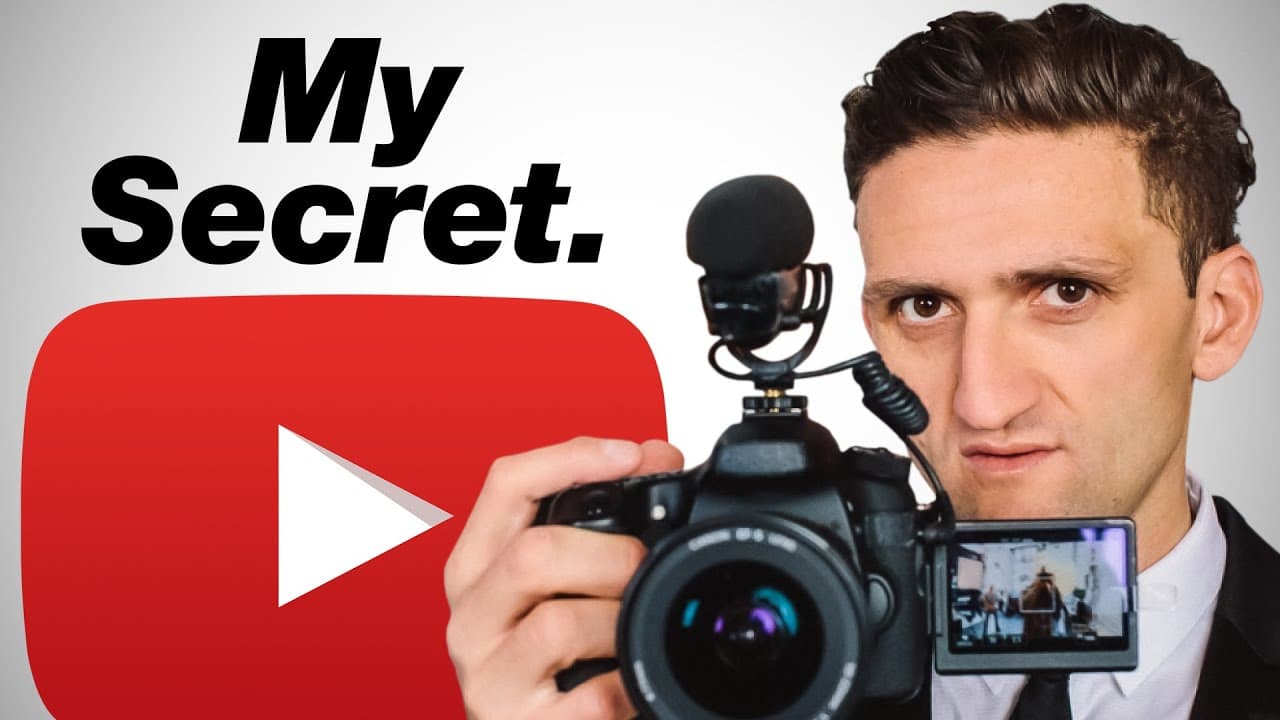
Make engaging vlogs by keeping your camera setup simple, capturing varied shots while filming, and planning a clear story before pressing record. Automatic settings, a wide-angle lens, and an on-camera microphone reduce technical friction, while location changes, reframing, and zoom changes refresh attention without requiring elaborate transitions, effects, or extensive post-production.
Transcript
Casey neistat is one of the greatest vloggers of Our Generation and I would even consider him a professional vlogger he's actually normalized and popularized vlogging and what's crazy is although he is a professional vlogger the way Casey makes his Vlogs isn't that difficult and I actually wanted to break it down so that you can Implement some of t... Read More
Key Insights
- A simple camera setup is central to Casey Neistat’s vlogging approach. Using automatic settings reduces the need to adjust exposure manually, allowing the creator to focus on recording, speaking clearly, and developing the content instead of continually managing technical controls.
- A wide-angle lens supports both visual context and better audio capture. It can show more of the surroundings while allowing the camera to remain close to the creator, which places the attached microphone nearer to the speaker’s mouth without making the framing appear excessively tight.
- Changing scenery is an effective way to renew viewer attention. Moving between locations or altering the camera position creates visual variety, making simple cuts feel engaging without relying on rapid text, sound effects, elaborate transitions, or other intensive editing techniques.
- Multiple perspectives can be created with a single camera. A creator can film an action from a first-person angle, place the camera elsewhere, repeat the action from a distant view, and then remove the unused time between those moments during editing.
- Zoom changes can make one camera position look like multiple distinct shots. Cutting between intimate and wider framing refreshes the composition even when the camera has not moved, giving the vlog more visual rhythm with relatively little additional production effort.
- Vlogging is a content format rather than permission to publish unrelated footage. Random moments can break up a story, but the main video still benefits from a defined subject, a complete thought, and a deliberate progression from its opening to its conclusion.
- Planning can shorten both filming and editing. Knowing the intended story and required shots before recording helps the creator capture more useful takes, avoid unnecessary material, and spend less time later searching through footage or cutting content that does not support the main idea.
- Engaging production begins during filming rather than exclusively in post-production. Capturing different locations, angles, distances, and perspectives gives the editor useful visual changes that can be assembled with straightforward cuts instead of manufacturing all of the energy through effects afterward.
Install to Summarize YouTube Videos and Get Transcripts
Explore YouTube Video Summarizer or Get YouTube Transcript Extractor
Questions & Answers
Q: How can you make engaging vlogs like Casey Neistat?
Keep the camera setup simple, record visual variety while filming, and plan the story before you begin. Automatic camera settings reduce technical interruptions, while a wide-angle lens and an attached microphone support environmental context and clear audio. Change locations, angles, framing, and zoom throughout the vlog, then connect those shots with simple cuts during editing.
Q: What camera setup works for this style of vlogging?
The recommended approach is a camera set to automatic mode, paired with a wide-angle lens and a microphone mounted on the camera. Automatic settings can adjust exposure as conditions change. The wide lens captures the surroundings while letting the camera stay close, and that shorter distance also places the microphone nearer to the creator’s mouth.
Q: Why is a wide-angle lens useful for vlogging?
A wide-angle lens captures more of the setting behind the creator, helping viewers understand the environment and feel close to the action. It also allows the camera to be held near the creator without producing an excessively tight composition. Because the microphone is attached to the camera, bringing the setup closer can improve the recorded voice.
Q: How do scenery changes keep viewers engaged?
Scenery changes give viewers a fresh composition and reset their attention without requiring complicated editing. A creator can move to another location, turn toward a different angle, or change the camera’s distance from the subject. These variations make successive simple cuts feel purposeful and visually active, even when the edit contains no elaborate transitions or effects.
Q: How can one camera create the appearance of multiple angles?
Record the same action from separate perspectives. For example, film opening a door from a first-person view, place the camera inside, return outside, and record yourself entering from a distant angle. The camera can keep rolling throughout the setup. During editing, remove the inactive gap and join the useful shots to suggest a multicamera production.
Q: How can zoom changes improve a vlog?
Zoom changes can transform the composition without requiring the camera to move. A close view can feel intimate, while a wider view reveals more of the environment. Cutting between those framings makes them appear like distinct shots and renews visual interest. This technique provides variety while preserving a simple filming setup and straightforward editing process.
Q: Why should a creator plan a vlog before filming?
Planning gives the vlog a clear beginning, development, and ending, allowing it to communicate a complete thought instead of becoming a collection of unrelated moments. Knowing the story and required material beforehand can also shorten production. The creator records fewer unnecessary clips, captures more focused takes, and has less irrelevant footage to remove during editing.
Q: Do engaging vlogs require complex transitions and effects?
Engaging vlogs do not require fancy transitions, rapid text, sound effects, or heavily layered post-production. Visual interest can come from decisions made during filming, including changing locations, recording multiple perspectives, and varying the zoom or framing. When those elements are captured deliberately, simple cuts can assemble them into a clear and engaging sequence.
Summary & Key Takeaways
-
Casey Neistat’s approach starts with a simple camera setup that reduces technical distractions. Automatic settings handle exposure changes, while a wide-angle lens shows the surrounding scene and lets the camera remain close enough for stronger microphone pickup. This simplicity helps the creator concentrate on speaking, storytelling, and capturing the moment.
-
Visual variety can make a vlog engaging without complex post-production. Changing locations, camera positions, framing, or zoom creates fresh shots that reset viewer attention. A creator can record an action from multiple perspectives with one camera, remove the inactive gaps during editing, and produce the impression of a more elaborate production.
-
Planning turns vlogging from a collection of random clips into a coherent content format. A clear beginning, progression, and ending help the creator deliver a complete thought. Preparation can also shorten filming by identifying needed material beforehand, and it can reduce editing because fewer irrelevant clips, weak takes, and unfinished ideas require removal.
Read in Other Languages (beta)
Share This Summary 📚
Summarize YouTube Videos and Get Video Transcripts with 1-Click
Try YouTube Summary with ChatGPT & Claude or YouTube Transcript Generator
Explore More Summaries from Think Media 📚
Summarize YouTube Videos and Get Video Transcripts with 1-Click
Try YouTube Summary with ChatGPT & Claude or YouTube Transcript Generator