How Does Social Media Manipulate Your Brain?
TL;DR
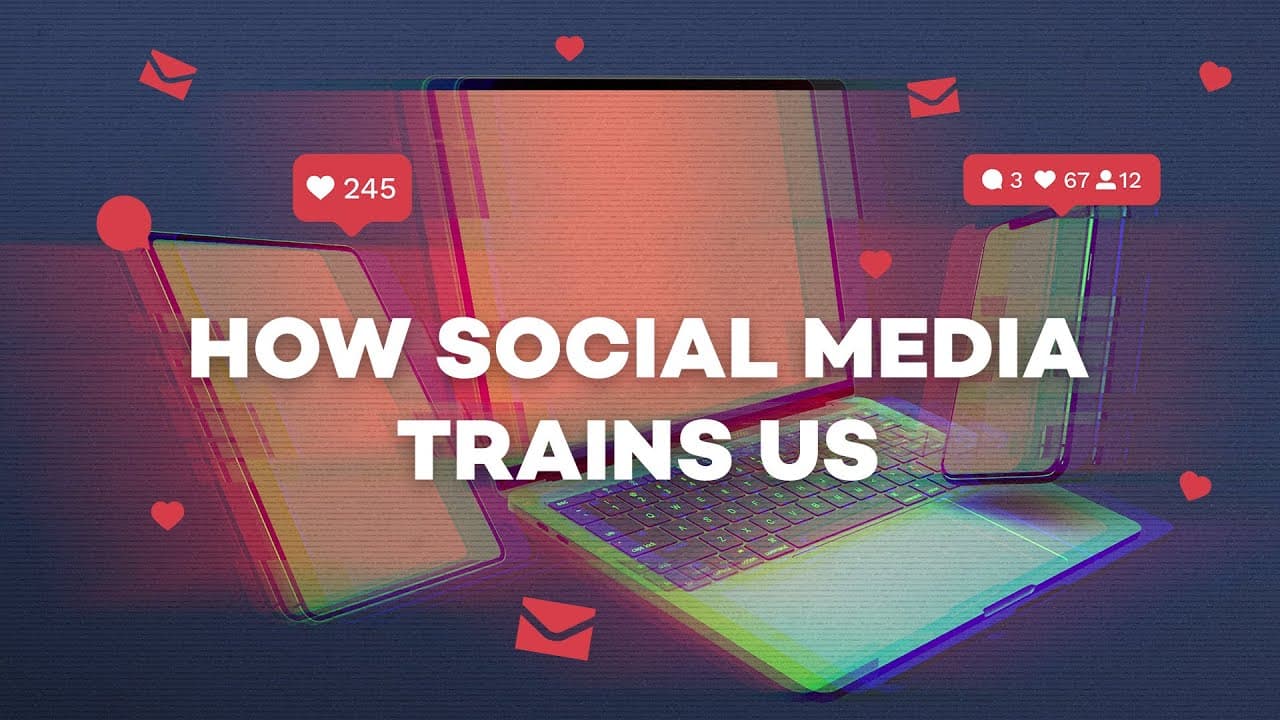
Social media manipulates your brain by exploiting human vulnerabilities, leading to distraction and diminished mental well-being. It uses tactics like constant notifications to hijack your attention, promotes negative emotions through fear-based content, and fosters unhealthy social comparisons. Understanding these tactics is essential for mitigating their harmful effects on mental health and societal interactions.
Transcript
hey maria bridge i work at cht i'm going to explain a core concept today on persuasive technology to some people the concept of technology hacking our brains may seem fantastical or futuristic but to those working in technology it's clear that every day algorithms can influence and even train the thoughts feelings and behaviors of billions of peopl... Read More
Key Insights
- 🧑⚕️ Persuasive technology can shape human behavior by exploiting vulnerabilities, with significant implications for mental health and societal norms.
- 🥺 The human brain’s salience network is easily triggered by technology through notifications, leading to compromised focus and attention.
- 🥺 Endlessly seeking gratification through digital content diminishes lasting satisfaction and can lead to cognitive fatigue.
- 🪡 Media multitasking is correlated with negative impacts on memory and impulsivity in youth, emphasizing the need for focused attention.
- 😨 Fear and negative emotions are amplified by social media algorithms, creating a culture of anxiety and outrage rather than positivity.
- 🤳 Social comparisons on platforms distort self-esteem, as curated images contribute to unrealistic self-image expectations and personal dissatisfaction.
- 👁️🗨️ Information bubbles generated by algorithms can polarize opinions and hinder meaningful discourse, threatening societal cohesion.
Install to Summarize YouTube Videos and Get Transcripts
Explore YouTube Video Summarizer or Get YouTube Transcript Extractor
Questions & Answers
Q: What is persuasive technology, and why is it significant?
Persuasive technology refers to any technology that influences human attitudes or behaviors. Its significance lies in its dual potential; it can promote beneficial behaviors or, conversely, exploit vulnerabilities for corporate gains, affecting billions of users. Understanding how these technologies impact us is essential for fostering healthier relationships with them.
Q: How does persuasive technology make trivial things seem important?
The salience network in our brain helps identify important stimuli, but persuasive technology often activates this network through frequent notifications that draw our attention to trivial matters. This constant distraction can lead to false alarms, diminishing our ability to focus on genuinely important tasks and worsening our time management and attention spans.
Q: In what ways does technology encourage a cycle of seeking without fulfillment?
The drive for constant engagement inherent in technology fosters a perpetual state of wanting, where users are frequently bombarded with content but receive little real satisfaction. This overpowering desire to seek leads to excessive scrolling and clicking, which drains users’ mental resources and can result in a diminished capacity for enjoyment and contentment.
Q: Why is multitasking detrimental to our cognitive functions?
Multitasking can lead to attention residue, where lingering thoughts about previous tasks affect our focus on current responsibilities. Studies have shown that media multitasking, particularly among youth, can result in worsened memory and impulsivity, hindering overall cognitive performance and diminishing the effectiveness of tasks we undertake.
Q: How does persuasive technology utilize fear and anxiety?
Research indicates that negative information, particularly fear-related stimuli, is processed more intensely than positive information. Social media often capitalizes on this dynamic, amplifying fear and outrage to drive engagement, which can erode societal well-being by creating a culture dominated by negative emotions rather than positivity.
Q: What role does social comparison play in the impact of persuasive technology?
The pervasive nature of social comparison, fueled by social media, leads individuals to evaluate themselves against curated personas. This behavior can trigger feelings of jealousy, anxiety, and shame, ultimately damage self-worth and promote an unhealthy obsession with appearance, as reinforced standards become increasingly unattainable and unrealistic.
Q: How do algorithms create information bubbles, and why is this concerning?
Algorithms curate news feeds based on individual preferences, leading to information bubbles where users only see content that aligns with their beliefs. This selective exposure reinforces confirmation bias and can polarize society into different realities, undermining shared understanding and cohesion, which poses a significant challenge for maintaining a balanced discourse.
Q: What can individuals do to minimize the negative effects of persuasive technology?
To mitigate the damaging impacts of persuasive technology, individuals can start by being mindful of their technology usage, limiting notifications, and actively seeking diverse perspectives online. Fostering open dialogues about the consequences of these technologies can promote awareness and encourage collective action toward healthier digital environments.
Summary & Key Takeaways
-
The core concept of persuasive technology explains how algorithms can impact human attitudes and behaviors, sometimes prioritizing corporate interests instead of user well-being.
-
The presentation outlines six specific ways persuasive technology exploits human vulnerabilities, including distractions, anxiety, and social comparisons that can harm mental health.
-
Understanding these mechanisms is crucial for mitigating their negative effects and promoting healthier interaction with technology.
Read in Other Languages (beta)
Share This Summary 📚
Summarize YouTube Videos and Get Video Transcripts with 1-Click
Try YouTube Summary with ChatGPT & Claude or YouTube Transcript Generator
Explore More Summaries from Center for Humane Technology 📚


Summarize YouTube Videos and Get Video Transcripts with 1-Click
Try YouTube Summary with ChatGPT & Claude or YouTube Transcript Generator