How to Achieve More in 12 Weeks Than in a Year
TL;DR
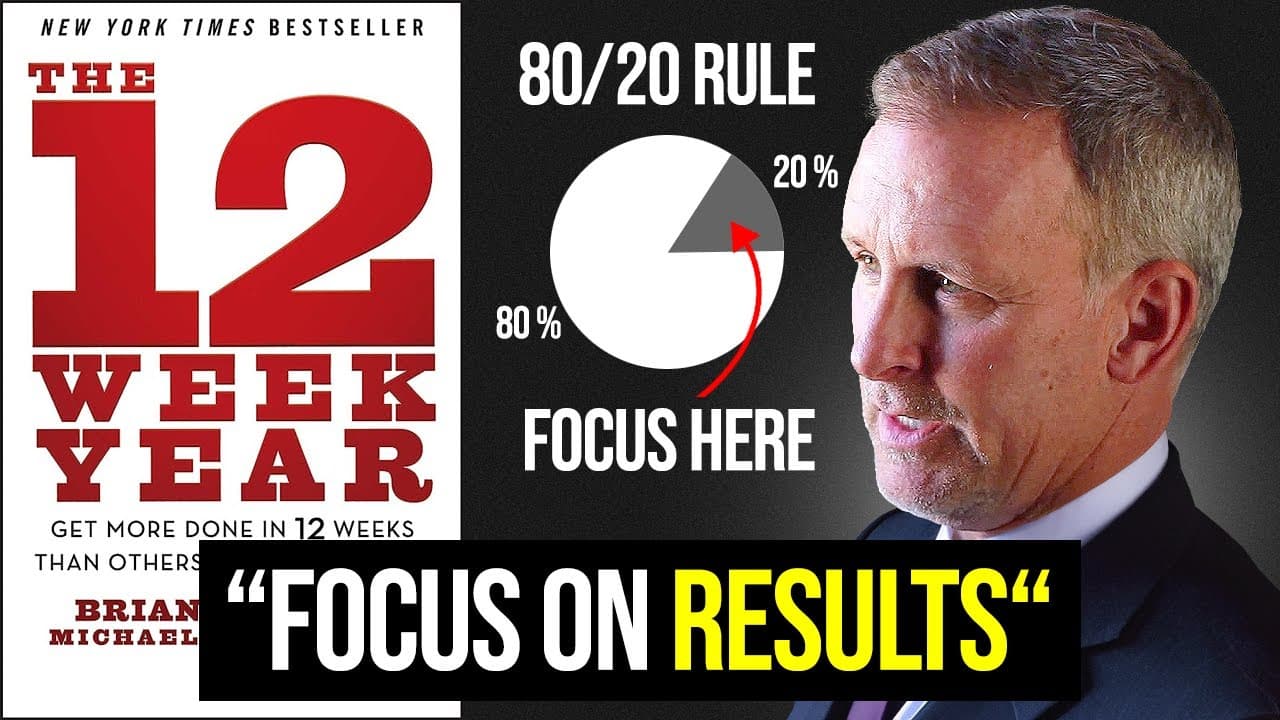
Achieving your goals is possible in just 12 weeks by planning shorter cycles instead of annual goals. This method enhances focus and urgency, promoting better results. Effective tracking and time management are vital to stay on course and accomplish objectives within each cycle.
Transcript
the 12-week Year by Brian P Moran Michael lennington summary from four minute books written by Luke Rowley and read to you by Andy Mayas one sentence summary the 12-week year will teach you how to reliably hit your goals by planning in 12-week Cycles instead of following our typical 12-month routine favorite quote from the author the number one thi... Read More
Key Insights
- 🥺 Yearly goal planning can lead to complacency, while shorter planning cycles increase focus and urgency.
- 🥺 Tracking lag and lead indicators can help measure progress effectively.
- ⌛ Effective time management is crucial for goal attainment.
- 🫥 Sprinting to the finish line four times a year boosts motivation and productivity.
- 🥺 Prioritizing lead indicators over lag indicators increases the likelihood of achieving goals.
- 💦 Deep work, interruption handling, and strategic breaks enhance productivity.
- 😅 Procrastination and interruption eat up valuable working hours.
Install to Summarize YouTube Videos and Get Transcripts
Explore YouTube Video Summarizer or Get YouTube Transcript Extractor
Questions & Answers
Q: Why do people struggle with yearly goal planning?
Yearly goal planning leads to complacency as people tend to procrastinate, thinking they have plenty of time to achieve their goals.
Q: How can the 12-week year approach improve consistency?
The 12-week year method sets shorter planning cycles, creating a greater sense of urgency and motivation to sprint to the finish four times a year.
Q: What should be tracked to accurately measure progress?
Lag indicators, such as end results, and lead indicators, which are specific actions taken to reach goals, should both be measured. However, lead indicators are more within our control and should be prioritized.
Q: How can time be managed effectively to reach 12-week goals?
Planning strategic blocks for deep work, buffer blocks to handle interruptions, and breakout blocks for breaks can help protect and optimize time for goal achievement.
Key Insights:
- Yearly goal planning can lead to complacency, while shorter planning cycles increase focus and urgency.
- Tracking lag and lead indicators can help measure progress effectively.
- Effective time management is crucial for goal attainment.
- Sprinting to the finish line four times a year boosts motivation and productivity.
- Prioritizing lead indicators over lag indicators increases the likelihood of achieving goals.
- Deep work, interruption handling, and strategic breaks enhance productivity.
- Procrastination and interruption eat up valuable working hours.
- The 12-Week Year method offers a practical approach to goal planning and execution.
Summary & Key Takeaways
-
The 12-Week Year encourages setting goals in shorter cycles to avoid complacency and increase focus and urgency.
-
Meticulous measurement and tracking of progress are critical for achieving goals, using lag and lead indicators.
-
Managing time effectively by prioritizing important tasks, blocking strategic time, and taking strategic breaks is crucial for success.
Read in Other Languages (beta)
Share This Summary 📚
Summarize YouTube Videos and Get Video Transcripts with 1-Click
Try YouTube Summary with ChatGPT & Claude or YouTube Transcript Generator
Explore More Summaries from Four Minute Books 📚
Summarize YouTube Videos and Get Video Transcripts with 1-Click
Try YouTube Summary with ChatGPT & Claude or YouTube Transcript Generator