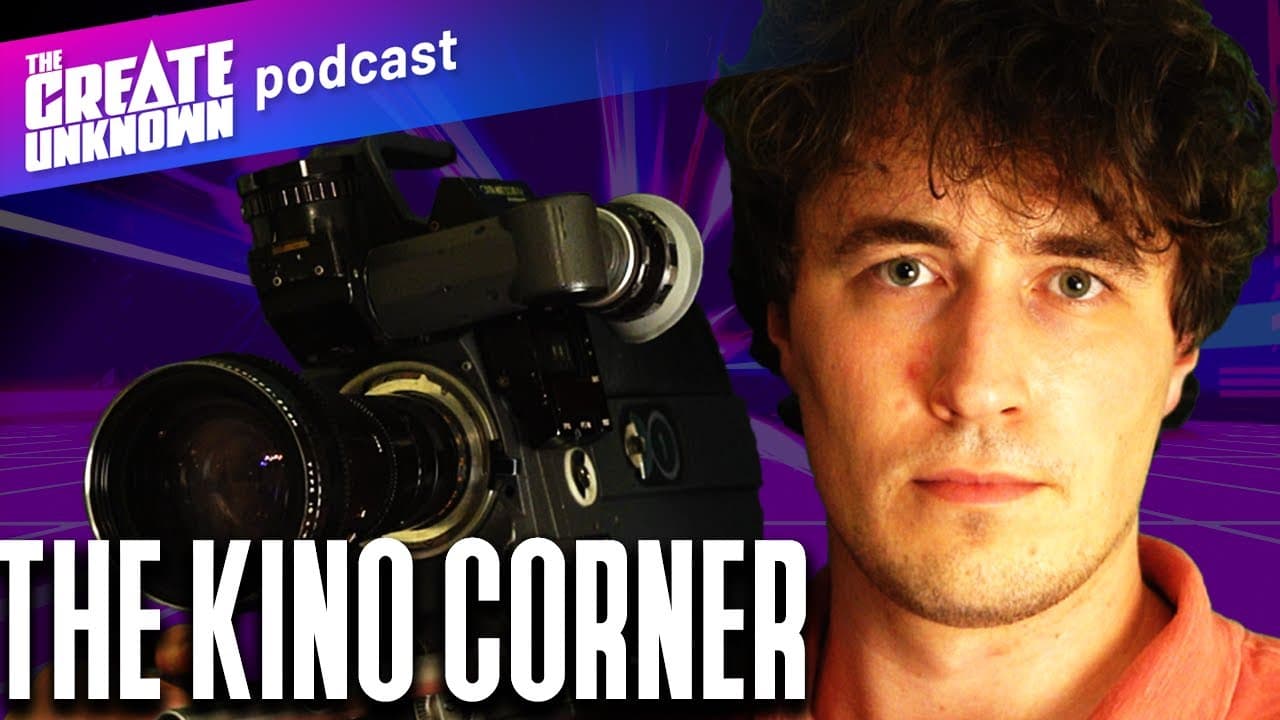
What Is Kino and Why Are Sequels Often Disappointing?
TL;DR
Kino refers to films that evoke intense emotional responses and stand the test of time. Sequels often struggle because they rarely capture the original's divine inspiration, usually serving as cash grabs rather than meaningful extensions. Unlike earlier standalone superhero films, the Marvel Cinematic Universe's interconnectedness stifles creativity, resulting in formulaic storytelling.
Transcript
if you're gonna be like try to be nuanced people won't hear you so sometimes you have to be like yeah cape [ __ ] bad and people actually listen a movie that's been made that really moves me or something like that is that this film came out of some sort of divine inspiration and then you ask them for a sequel and it's not going to come from that sa... Read More
Key Insights
- 🖤 Sequels often struggle to capture the same creative vision as the original, as they lack the divine inspiration that propelled the initial work.
- 🖤 Marvel superhero movies are often criticized for their formulaic approach and lack of creative risk-taking.
- 💦 Critics and filmmakers have different roles, with creators focusing on the labor-intensive process of crafting a film, while critics analyze and provide perspectives on existing works.
- 🎥 The transition from film enthusiast to deep thinker requires exposure to films that evoke strong emotional responses, leading to a desire to explore the artistic elements and creative process.
Install to Summarize YouTube Videos and Get Transcripts
Explore YouTube Video Summarizer or Get YouTube Transcript Extractor
Questions & Answers
Q: Can cape [ __ ] superhero movies be considered kino?
While cape [ __ ] superhero movies often lack creativity and fall into a formulaic approach, certain scenes or moments within superhero films can possess kino qualities, such as the intense opening scene of The Dark Knight Rises or the memorable dance scene in Spider-Man 3.
Q: How does one transition from being a film enthusiast to thinking more deeply about movies?
The transition to analyzing films more deeply often occurs when one is exposed to cinematic works that elicit a strong emotional response, such as Eraserhead. This heightened interest leads to a desire to understand the artistic and creative elements that contribute to the film's impact.
Q: Is criticism more challenging than being a creator?
While there is an art to criticism, the process of creating a film involves significantly more work, time, and technical competence. Artists must overcome numerous hurdles and adapt to adversity, while critics analyze and provide insights about existing works.
Q: Can you define kino and its significance in filmmaking?
Kino refers to films that evoke a gut reaction and elicit emotions from viewers. Filmmakers strive to create works that have technical competence, captivate audiences, and stand the test of time. However, the concept of kino is subjective and varies from person to person.
Summary & Key Takeaways
-
Kino, in the context of films, refers to works that evoke a strong emotional response and leave a lasting impact on viewers.
-
The creation of sequels can be challenging as they often fail to capture the same magic as the original, highlighting the importance of divine inspiration in filmmaking.
-
The Marvel Cinematic Universe's focus on interconnectedness limits creative freedom and leads to formulaic storytelling, unlike earlier superhero films that were standalone works.
-
Critics play a significant role in shaping the perception of films, but their work should not be equated with the efforts of filmmakers, who face more challenges and have a unique vision.
Read in Other Languages (beta)
Share This Summary 📚
Summarize YouTube Videos and Get Video Transcripts with 1-Click
Try YouTube Summary with ChatGPT & Claude or YouTube Transcript Generator
Explore More Summaries from The Create Unknown 📚




Summarize YouTube Videos and Get Video Transcripts with 1-Click
Try YouTube Summary with ChatGPT & Claude or YouTube Transcript Generator