How to Think Long-Term in a Short-Term World
TL;DR
To think long-term in a short-term world, prioritize creating 'white space' in your life to foster strategic thinking. Employ strategies such as making deliberate choices about what to prioritize, balancing your activities for growth, and practicing patience while embracing failures as learning opportunities. Ultimately, it's essential to enjoy the journey and celebrate successes along the way.
Transcript
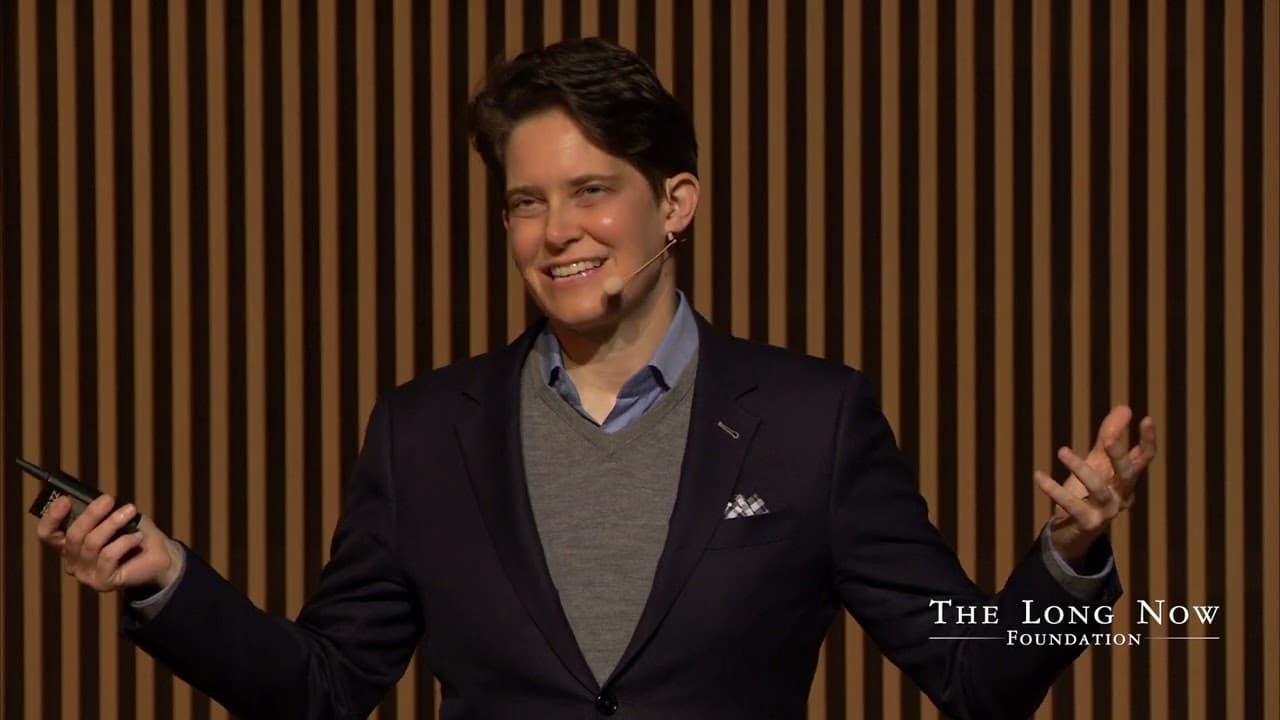
welcome everybody i'm alexander rose i'm the executive director here at long now and a while back when uh when i saw this book come out i realized that there's so many times where we have talks with from astronomers about billions of years or geologists about millions of years but you know there's this one passage that when stuart brand launched lo... Read More
Key Insights
- 🤔 The pandemic exposed the need for long-term thinking and highlighted the consequences of short-term thinking.
- 🤔 Individuals and organizations need to create white space in their schedules to foster long-term thinking and innovation.
- 🥅 Making choices and sacrificing certain areas of focus are necessary to excel in a specific goal or area.
- 🍉 Balancing a portfolio of activities and dedicating time for long-term projects is crucial for personal growth and development.
- 🥺 Enduring the "deception phase" of projects and being patient for results can lead to significant breakthroughs.
- 🙈 Failure should not be seen as a final outcome but as a learning opportunity and a chance for growth.
- 💨 Celebrating successes along the way and enjoying the journey are essential for a fulfilling long-term perspective.
- 🎙️ More videos with Dorie Clark:
Install to Summarize YouTube Videos and Get Transcripts
Explore YouTube Video Summarizer or Get YouTube Transcript Extractor
Questions & Answers
Q: How did the pandemic demonstrate the consequences of short-term thinking?
The sudden shift to remote work highlighted the lack of preparation for long-term remote work strategies, causing individuals and organizations to adapt quickly. However, this also revealed the downsides and challenges of short-term thinking.
Q: How can individuals prioritize long-term thinking in their personal and professional lives?
By creating white space in their calendars, individuals can allow for unstructured time, which is vital for generating innovative ideas. Additionally, individuals should be willing to choose what to be bad at and make strategic choices based on long-term goals.
Q: What is the "deception phase" and how does it relate to long-term projects?
The deception phase refers to a stage in long-term projects where progress may not be visible to others. It requires perseverance and confidence in one's progress, even when others may doubt the viability of the project.
Q: How can individuals overcome the pressure of short-term thinking in their careers?
Strategic patience is essential, recognizing that some goals and projects take time to yield results. By embracing a longer time frame and being willing to endure the challenging early stages, individuals can tackle more significant and meaningful problems.
Summary & Key Takeaways
-
The pandemic forced individuals and companies to adapt to remote work and other changes, highlighting the consequences of short-term thinking.
-
Many leaders recognize the significance of long-term thinking but struggle to find time for strategic thinking.
-
Balancing time, prioritizing, and creating white space are crucial for long-term thinking.
-
Strategies for long-term thinking include making choices, balancing portfolios, persisting through the "deception phase," exercising strategic patience, embracing failure, and aligning actions with the desired future self.
Read in Other Languages (beta)
Share This Summary 📚
Summarize YouTube Videos and Get Video Transcripts with 1-Click
Try YouTube Summary with ChatGPT & Claude or YouTube Transcript Generator
Explore More Summaries from Long Now Seminars 📚

Summarize YouTube Videos and Get Video Transcripts with 1-Click
Try YouTube Summary with ChatGPT & Claude or YouTube Transcript Generator