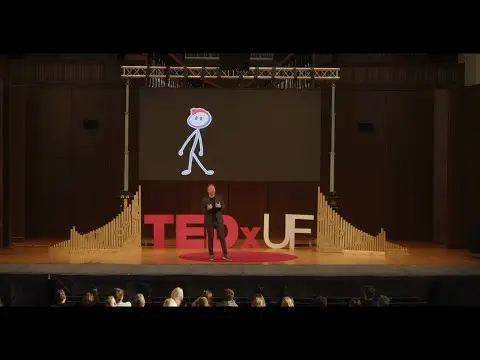
Animated short films to help reflect on the world | Marcel Barelli | TEDxBasel

TL;DR
Animated short films can effectively highlight serious societal issues like injustice and discrimination by using humor and satire. By presenting difficult topics in a lighthearted manner, these films engage a wider audience and provoke meaningful conversations, making them a powerful tool for raising awareness.
Transcript
Transcriber: Phạm Kiên Reviewer: Habip Bahçecioğlu You. My mom told me that with a pencil and paper, you can never get bored. That's why my favorite form of communication has always been drawing. And drawing is a wonderful way to communicate to me. I have also always been a big cinema lover, and it's been almost 15 years that I've decided to combin... Read More
Key Insights
- 🔉 Animated films can be a powerful medium to highlight social issues.
- 🖐️ Humor and satire play a crucial role in engaging audiences in serious discussions.
- 🍰 The topic of a short film is more important than the technique used.
- 💭 Addressing serious topics with lightness and satire can provoke thought and stimulate dialogue.
- 🎥 Artistic passion and a sense of responsibility drive the creation of animated films.
- 🤨 Historical examples show the effectiveness of humor in raising awareness.
- 🫵 The speaker aims to make viewers aware of societal problems through their animated films.
Install to Summarize YouTube Videos and Get Transcripts
Explore YouTube Video Summarizer or Get YouTube Transcript Extractor
Questions & Answers
Q: How does the speaker combine drawing and humor in animated films?
The speaker believes that humor and drawing are key elements in addressing serious topics in animated films. By using satire and lightness, they aim to spark discussions and provoke thought among viewers.
Q: Why does the speaker emphasize the importance of the topic over technique in animated films?
The speaker believes that the topic of a short film is more significant than the technique used. They focus on issues related to injustice, discrimination, and intolerance to raise awareness and encourage dialogue.
Q: What role does humor play in addressing challenging topics in animated films?
Humor and satire are essential tools for the speaker to engage a wider audience in discussing serious issues. By approaching difficult topics with lightness, they can create a more accessible platform for dialogue.
Q: How does the speaker view the responsibility of addressing serious topics in animated films?
The speaker feels a great responsibility to use their passion for animated films to shed light on important issues. They believe that humor and satire can help unite people and stimulate critical thinking.
Summary
In this video, the narrator discusses how drawing and humor can be powerful tools for communicating important topics in animated films. They believe that the topic of the film is the most important aspect and that humor and satire can be used to reach a wide audience and make people think and question their beliefs.
Questions & Answers
Q: Why does the narrator make animated films?
The narrator makes animated films because they care about the world and have things to say that they want to share with people. They believe that animated films can be a powerful medium for expressing their vision and ideas.
Q: What drives the narrator to develop projects that address serious issues?
The narrator's perception of the world and its problems drives them to develop projects that make viewers aware of certain problems. They believe that these problems often arise from our way of living and thinking, and they want to use animation to shed light on these issues.
Q: Why does the narrator believe that humor and satire are important in discussing serious topics?
The narrator believes that humor and satire are important because they can add lightness to heavy discussions, unite people, and reach a wider audience. They see humor and satire as a way to make people think and question their beliefs, and they believe that these tools have historically been used to raise awareness and challenge the powerful.
Q: How does the narrator approach the use of humor in their films?
The narrator believes that it is possible to laugh at everything, but it must be done with respect and sensitivity. They emphasize the importance of not using humor to harass or discriminate against others. They agree with Nobel Prize winner David Ford's view that satire should be on the side of the weak and the oppressed.
Q: Why does the narrator believe that nature can offer valuable insights?
The narrator suggests that paying attention to what nature tells us can be helpful in questioning certain justifications of discrimination. They hint that there may be examples in nature that challenge the belief that discrimination is natural or justified.
Q: How does the narrator combine humor and drawing in their films?
The narrator believes that humor and drawing go hand in hand in their films. They use humor and satire, along with their drawing skills, to communicate important topics. They acknowledge that sometimes this formula works well, while other times it may not be as successful.
Q: How does the narrator view the importance of the technique in animated films?
The narrator believes that the technique used in animated films is secondary to the topic being addressed. They argue that the topic is the most important aspect and that the way it is approached and communicated is crucial.
Q: What does the narrator think can be challenging about discussing serious topics?
The narrator acknowledges that discussing serious topics can be difficult because they can often be sad, heavy, or boring. However, they believe that finding a way to approach these topics with humor and satire can make them more accessible and engaging to a wider audience.
Q: How does the narrator believe humor and satire can impact the public?
The narrator believes that humor and satire can make people think and question their beliefs. They see these tools as a way to reach out to the public and create a dialogue about important issues. They believe that humor has historically been effective in raising awareness and challenging those in power.
Q: What does the narrator consider their responsibility as an animator?
The narrator believes that when they have the chance to do the job they love, they also have a great responsibility. They see their responsibility as using their animated films to make people aware of certain problems and contribute to positive change in the world.
Takeaways
In this video, the narrator emphasizes the importance of using humor and drawing to communicate important topics in animated films. They believe that the topic of the film is the most important aspect and that humor and satire can be effective tools for reaching a wide audience and promoting critical thinking. The narrator also highlights the responsibility that comes with being an animator and using their films to raise awareness and contribute to positive change.
Summary & Key Takeaways
-
The speaker uses drawing and humor to create animated films that highlight serious issues.
-
Animated films are a powerful medium to address injustices, intolerance, and discrimination.
-
Humor and satire help reach a wider audience and provoke thought on challenging topics.
Read in Other Languages (beta)
Share This Summary 📚
Summarize YouTube Videos and Get Video Transcripts with 1-Click
Try YouTube Summary with ChatGPT & Claude or YouTube Transcript Generator
Explore More Summaries from TEDx Talks 📚





Summarize YouTube Videos and Get Video Transcripts with 1-Click
Try YouTube Summary with ChatGPT & Claude or YouTube Transcript Generator