Are YouTube Animal Rescue Channels Staging Fake Rescues?
TL;DR
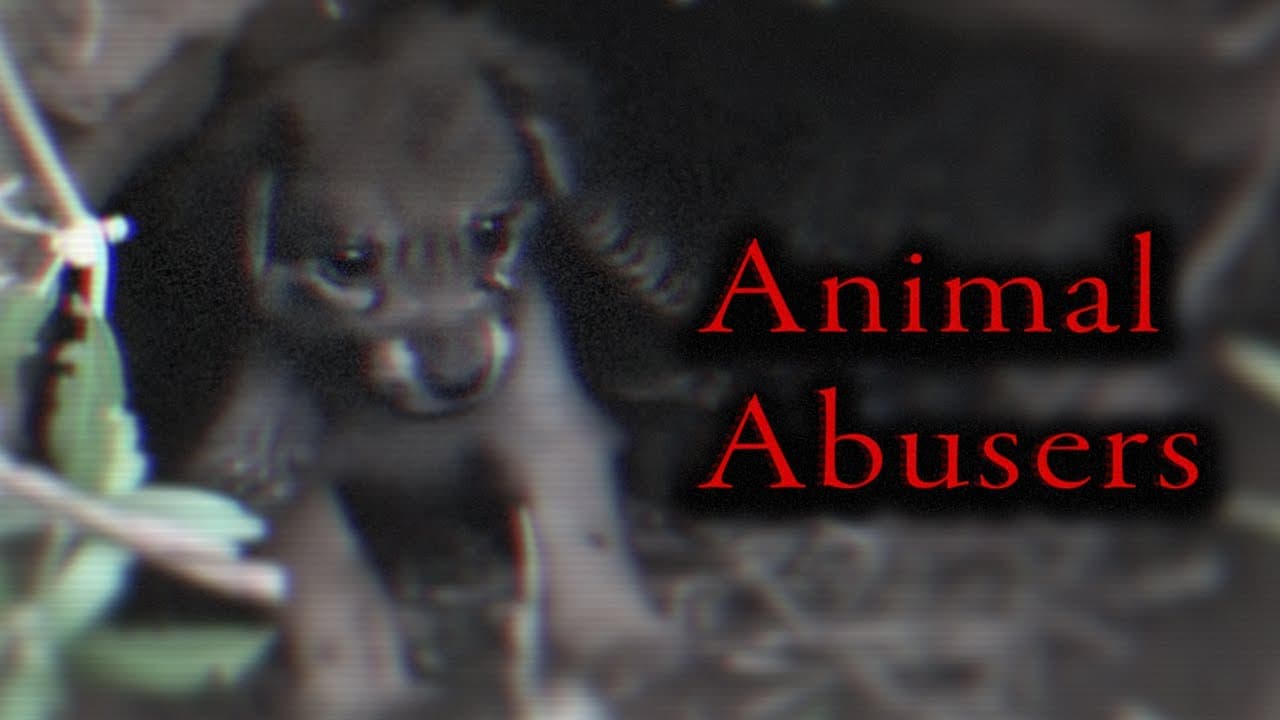
Yes, many YouTube channels stage fake animal rescues for views, risking severe harm to the animals involved. Investigations into channels like KM Animal and Happydog show a disturbing trend of fabricating injuries and rescues, deceiving audiences while prioritizing engagement over ethics. This practice highlights the urgent need for better regulation of animal-related content on the platform.
Transcript
as a platform youtube is home to an incredible amount of channels run by users who are desperate for fame to the point that they would do just about anything to achieve it i may fail but if i fail i want to die trying a risky attempt at fame left aspiring youtube star pedro ruiz iii dead this is nothing new of course but every day i find it more an... Read More
Key Insights
- 😮 The rise of staged animal rescue videos on YouTube highlights a concerning trend of content creators exploiting animals for views and profit.
- 🫵 Audience deception thrives as many viewers are unaware of the implications of fake animal rescue narratives, leaning into emotional manipulation.
- ⛑️ The success of channels like Happydog, which create fabricated rescue scenarios, suggests systemic issues in how animal welfare is depicted online.
- ❓ Investigations into such channels reveal a potential normalization of animal exploitation among young audiences drawn to sensational content.
- 🪡 There is a clear need for increased scrutiny and regulation of animal-related content to protect vulnerable animals and ensure ethical standards are maintained.
- 🫵 The ability of these channels to continuously generate views and subscribers despite past transgressions indicates a serious flaw in the audience's approach to content consumption.
- 🖐️ Increased awareness and reporting from viewers can play a crucial role in curbing the growth of exploitative channels on the platform.
Install to Summarize YouTube Videos and Get Transcripts
Explore YouTube Video Summarizer or Get YouTube Transcript Extractor
Questions & Answers
Q: Why are some YouTube channels staging animal rescues?
Some channels stage animal rescues to gain views and engagement, which directly translates into monetization. This practice prioritizes content creation over the safety and well-being of animals, leading to the exploitation of animals in fabricated scenarios designed to evoke strong emotional responses from viewers.
Q: What evidence suggests that the content from KM Animal and similar channels is staged?
Evidence includes inconsistencies in the injuries depicted on animals, implausible rescue scenarios, and patterns where the same animals are repeatedly shown. In KM Animal's videos, the timeline of recovery for supposedly injured puppies was unrealistic, pointing toward fabricated narratives rather than genuine rescues.
Q: How did audiences initially react to KM Animal’s videos?
Initially, audiences reacted positively, believing the creators were genuine heroes saving distressed animals. The content garnered millions of views and a significant following before being exposed, indicating a dangerous disconnect between perception and reality regarding animal welfare in online content.
Q: What are the implications of fake rescue videos for animal welfare?
Fake rescue videos pose serious implications for animal welfare, including encouraging harmful behaviors among viewers, normalizing the exploitation of animals, and potentially putting the animals in distressing situations for mere entertainment. The desensitization of audiences to real animal welfare issues is also a significant concern.
Q: How has YouTube responded to the issue of staged animal rescue content?
YouTube has pledged to address fake animal rescue content following the exposure of the KM Animal scandal. However, reports suggest that similar channels continue to thrive, raising questions about the platform's enforcement of community guidelines regarding animal welfare and content authenticity.
Q: What should viewers do to ensure they support ethical content?
Viewers should critically evaluate content, researching channels and their practices before engaging. Supporting creators who prioritize education, genuine rescue efforts, and animal welfare, rather than shock-value content, can help promote ethical standards within online communities.
Summary & Key Takeaways
-
Numerous YouTube channels exploit animals by staging rescue scenarios to gain fame and views, resulting in potential harm to the animals involved.
-
Investigations into channels like KM Animal and Happydog reveal a pattern of faking animal injuries and rescues, leading to widespread audience deception.
-
The ongoing issue reflects a broader concern about content creators prioritizing engagement over ethics, risking the well-being of animals for internet fame.
Read in Other Languages (beta)
Share This Summary 📚
Summarize YouTube Videos and Get Video Transcripts with 1-Click
Try YouTube Summary with ChatGPT & Claude or YouTube Transcript Generator
Explore More Summaries from Nick Crowley 📚






Summarize YouTube Videos and Get Video Transcripts with 1-Click
Try YouTube Summary with ChatGPT & Claude or YouTube Transcript Generator