What Are the Top Tips for Effective Studying?
TL;DR
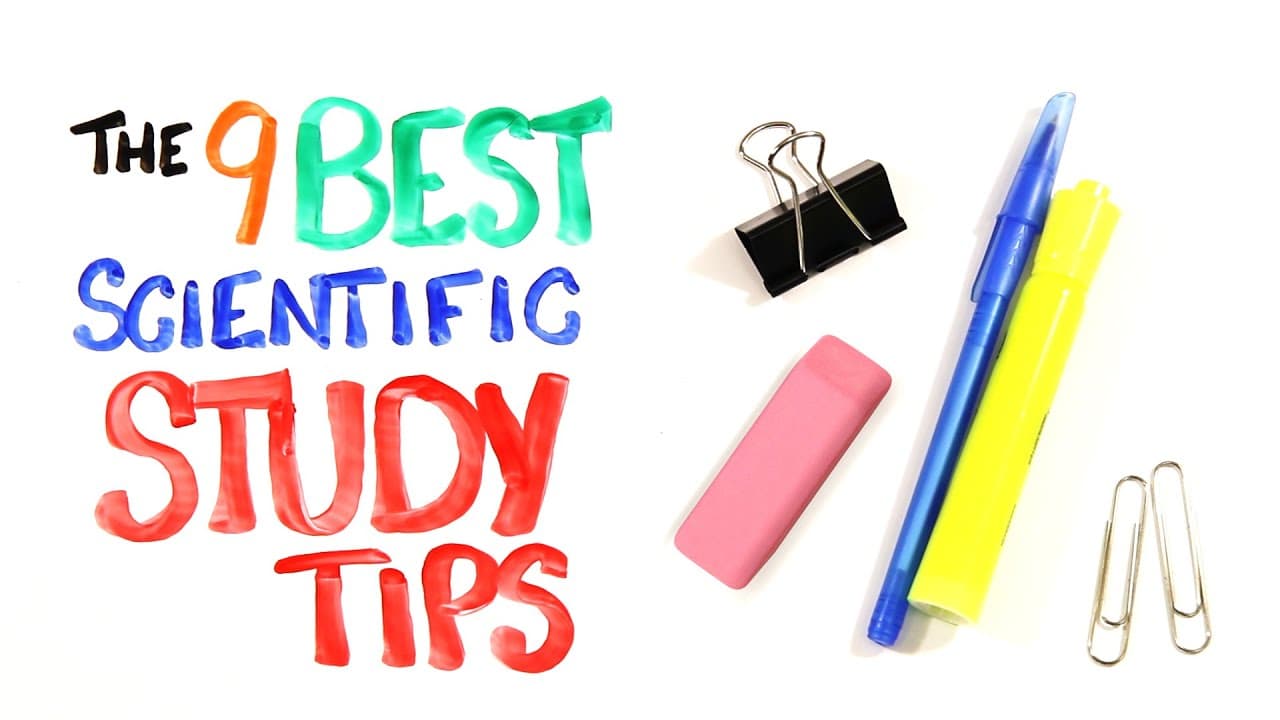
Short and frequent study sessions are proven to boost information retention compared to cramming. Techniques like using flashcards and teaching others enhance understanding, while designating a study spot and eliminating distractions improves focus. Regular practice tests not only increase confidence but also highlight knowledge gaps.
Transcript
Time for school And it's no surprise that many of us are determined to study smarter instead of longer But which study tips and tricks actually work scientifically, and can help you get those perfect grades First step, research shows that study sessions are most effective in small short chunks Instead of cramming in a ten hour study session, it's m... Read More
Key Insights
- 💁 Short and frequent study sessions enhance information encoding and retention.
- 😘 Cramming and all-nighters lead to lower grades and negatively affect reasoning and memory.
- 🫠 Passive studying techniques like re-reading and highlighting are ineffective.
- 🔨 Flashcards are an excellent tool for memory reinforcement.
- 😫 Setting specific goals for each study session improves understanding and focus.
- 💁 Teaching others enhances comprehension and organization of information.
- 🏆 Regular practice tests improve knowledge and confidence.
Install to Summarize YouTube Videos and Get Transcripts
Explore YouTube Video Summarizer or Get YouTube Transcript Extractor
Questions & Answers
Q: Why are short study sessions more effective than long cramming sessions?
Short study sessions are more effective because the brain is better at encoding information through short, repeated sessions. Spacing out the sessions over a few weeks helps in storing information in the synapses.
Q: How does creating a routine for studying help?
Creating a routine for studying primes the brain, making it easier to learn and retain information during those specific times. Overtime, studying becomes easier as the brain gets trained to learn in those moments.
Q: Why are flashcards recommended as a memory reinforcement tool?
Flashcards have been proven to be excellent tools for reinforcing memory. They can be used during scheduled study times or during off times like a bus ride. Flashcards help in actively recalling information and making connections between key concepts.
Q: How does teaching others improve understanding?
When students are told they have to teach the material, their brain organizes the information into a more logical and coherent structure. Teaching requires a deeper understanding of the content, leading to better comprehension and retention.
Summary & Key Takeaways
-
Short and frequent study sessions, spread over weeks, are more effective for information retention and encoding.
-
Cramming and all-nighters lead to lower grades as reasoning and memory are negatively affected after extended study sessions.
-
Passive studying techniques like re-reading and highlighting have been shown to be ineffective, while flashcards are a great memory reinforcement tool.
-
Setting specific goals for each study session and being able to teach the material to others enhance understanding and retention.
-
Regular practice tests in the study environment improve knowledge and confidence.
-
Having a designated study spot and removing distractions like phones and music aid in concentration and focus.
Read in Other Languages (beta)
Share This Summary 📚
Summarize YouTube Videos and Get Video Transcripts with 1-Click
Try YouTube Summary with ChatGPT & Claude or YouTube Transcript Generator
Explore More Summaries from AsapSCIENCE 📚



Summarize YouTube Videos and Get Video Transcripts with 1-Click
Try YouTube Summary with ChatGPT & Claude or YouTube Transcript Generator