Carol Kinsey Goman: How to Spot Liars at Work and How to Deal with Them
Transcript
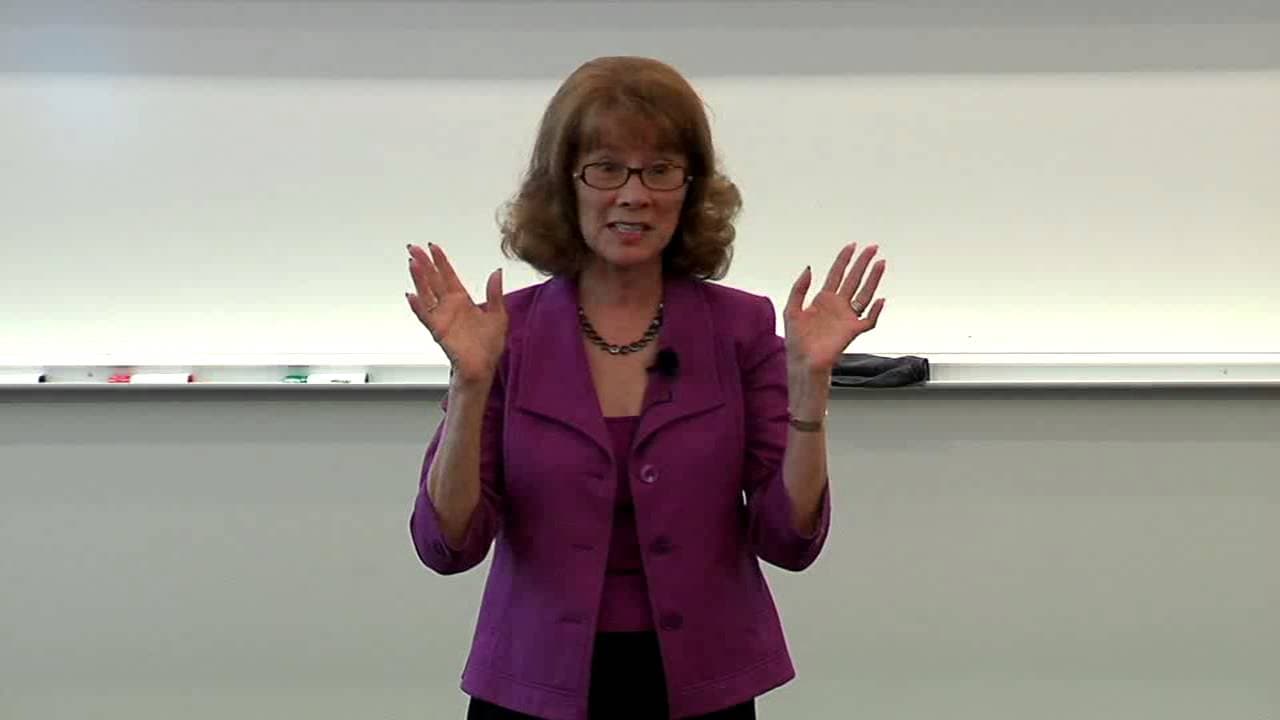
all right so here's how this all got started I body language is the management of time space I contact gesture facial expression stance movement and what I study is how body language impacts leadership effectiveness particularly in things like managing change negotiation sales job interviews dealing with multicultural international teams and I also... Read More
Install to Summarize YouTube Videos and Get Transcripts
Explore YouTube Video Summarizer or Get YouTube Transcript Extractor
Summary
In this video, the speaker discusses the topic of body language and deception. She shares insights on how body language impacts leadership effectiveness, particularly in management, negotiation, job interviews, and dealing with multicultural teams. The speaker also discusses the prevalence of lying in the workplace and the various reasons why people lie. She touches on gender differences in lying and the social dynamics of deception. The speaker goes on to explain how to determine if someone is trustworthy, highlighting the importance of observing eye contact, body language, and emotional congruence. She also provides tips on how to manage stress and present oneself in a trustworthy manner.
Questions & Answers
Q: What is the speaker's expertise and what does she write about for Forbes?
The speaker's expertise is in studying how body language impacts leadership effectiveness. She specifically focuses on areas such as managing change, negotiation, sales, job interviews, and working with multicultural teams. For Forbes, she primarily writes about body language and leadership.
Q: How did the speaker's blog on spotting liars gain significant attention?
The speaker's blog on spotting liars gained significant attention because it received 263,000 hits in its first ten days. This was a much higher number compared to her other blogs, which usually get a couple thousand hits over time. The widespread interest in the topic of spotting liars motivated her to further explore the subject and led to more insights.
Q: What are some reasons why people lie in the workplace?
People lie in the workplace for various reasons. Some lie to protect other people, either out of a sense of loyalty or to avoid hurting someone's feelings. Others lie to avoid punishment or to get out of tasks or meetings they don't want to participate in. Lying on resumes or during exit interviews is also common as people try to enhance their qualifications or protect their future career prospects.
Q: How do gender differences come into play when it comes to lying?
Both males and females lie, but there are some differences in the reasons behind their lies. Females tend to lie more frequently than males to protect other people, which can sometimes be seen as a positive trait. However, it can also lead to difficulties in giving honest feedback. The speaker mentions that being aware of these differences can help individuals improve their own honesty and transparency.
Q: How does the notion of "social glue" relate to lying?
Lying can serve as a form of social glue that holds relationships, organizations, and families together. In social interactions, it is often expected to respond with pleasantries and small lies to maintain harmonious relationships. These include situations where individuals give compliments or downplay negative aspects of their own lives. However, it is crucial to differentiate between harmless lies that help maintain social cohesion and destructive lies that can cause harm or damage trust.
Q: How can someone determine if a person they work with is trustworthy?
Determining someone's trustworthiness is a challenging task but can be achieved through observation and gathering information from various sources. One approach is to start with an initial level of trust and gradually increase it as the person demonstrates trustworthiness in smaller situations. Seeking feedback from others who have interacted with the person can also provide valuable insights. Additionally, observing how the person establishes eye contact and maintains body language can be indicative of their trustworthiness.
Q: What research did Princeton University conduct that sheds light on determining trustworthiness?
Princeton University conducted research that suggests trustworthiness can be determined within the first seven seconds of meeting someone. By focusing on specific facial features such as the height of the inner corners of the eyebrows, prominence of cheekbones, and width of the chin, people tend to make initial judgments on trustworthiness. These features are believed to be indicators of honesty and can lead to snap judgments being made in social interactions.
Q: What biases can interfere with detecting deception?
In-group/out-group bias is a strong bias that causes people to trust and believe those who are part of their own in-group more than those considered part of an out-group. This bias affects lie detection, as people tend to process information from in-group members differently from that of out-group members. Vested interest bias is another bias that can impact deception detection, causing individuals to be more biased toward believing people they have a vested interest in, such as close friends or family.
Q: What are some verbal signs of deception?
Verbal signs of deception include selective wording, which involves choosing words carefully to avoid revealing the complete truth. Quasi denials and qualifiers, such as saying "I could be wrong, but..." or "To the best of my knowledge," are also common. Softeners, like using milder language to downplay the severity of a situation, are another verbal sign. Overly formal wording and selective focus on certain topics while deflecting from others can also indicate deception.
Q: What are some nonverbal signs of deception?
Nonverbal signs of deception often stem from stress, and identifying these signs can help in detecting lies. Some nonverbal cues include fidgeting, such as playing with jewelry, hair, or rubbing hands together. Changes in posture, such as crossing arms or pointing feet towards the exit, can also be indicative of deception. Incongruent emotional displays, where someone's nonverbal expressions do not align with their words or the situation, can also be a red flag. Additionally, freezes in body movements or a decrease in natural gestures may indicate someone is lying.
Q: According to research, what four body language cues suggest that someone is lying?
According to research from Northeastern University, there are four body language cues that may indicate someone is lying: touching the face, rubbing hands together, pulling back, and crossing arms. If someone displays these four cues during a conversation, it could be a potential indicator of deception. However, further research and observation is needed to validate these cues in different contexts and individuals.
Takeaways
Detecting deception through body language and verbal cues is a complex task that involves understanding the individual's behavior, considering biases, and observing clusters of nonverbal and verbal signs. Building trust and assessing trustworthiness in others requires keen observation of eye contact, body language, and emotional congruence. Managing stress and presenting oneself as trustworthy can be achieved by practicing power poses and power thinking to enhance confidence. It is also important to be aware of one's own body language and be mindful of the impact it can have on perception. Detecting and dealing with lying in the workplace involves considering legal obligations, organizational policies, and the potential consequences of reporting, confronting, or ignoring a liar.
Read in Other Languages (beta)
Share This Summary 📚
Summarize YouTube Videos and Get Video Transcripts with 1-Click
Try YouTube Summary with ChatGPT & Claude or YouTube Transcript Generator
Explore More Summaries from Stanford Graduate School of Business 📚




Summarize YouTube Videos and Get Video Transcripts with 1-Click
Try YouTube Summary with ChatGPT & Claude or YouTube Transcript Generator