Do Smart Homes Really Spy on You All the Time?
TL;DR
Smart home devices don't continuously spy on you, as they typically only record when activated by voice commands. To enhance privacy, users can change wake words, use local systems, and implement strong security measures, like unique passwords and VLANs. While concerns about data collection exist, the actual risk of malicious spying via these devices varies.
Transcript
hey what's up this is reid there are many misconceptions with privacy in the smart home but by the end of this video you'll feel more confident as i share tips on how to make your home more secure or you just might want to pull the plug on all your smart devices and live in a bunker we'll see i'll also show you what happened when i monitored the am... Read More
Key Insights
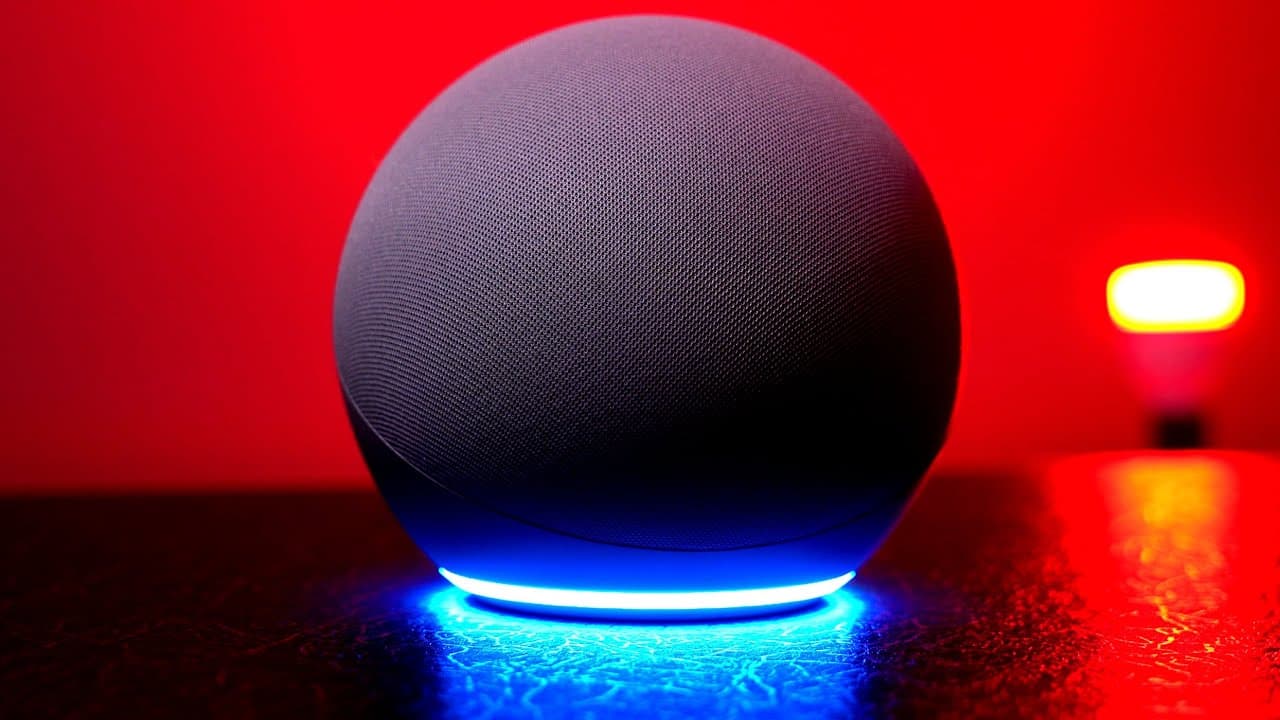
- ⚾ Smart speakers record data based on triggered wake words.
- 👤 Users can enhance privacy by changing wake words and using local systems.
- 👪 Concerns about government spying through smart home devices vary in likelihood.
- 🐕🦺 Data collection by companies for service improvement is common in smart devices.
- 💪 Using strong passwords and VLANs can boost smart home security.
- 👪 Cheap smart home devices may pose security risks due to potential vulnerabilities.
- ✳️ Snowden's remarks highlight potential privacy risks related to data collection.
Install to Summarize YouTube Videos and Get Transcripts
Explore YouTube Video Summarizer or Get YouTube Transcript Extractor
Questions & Answers
Q: How do smart speakers like Amazon Echo handle user data?
Smart speakers like Amazon Echo record and upload data when triggered by wake words, but companies claim they only record audio after the wake word is spoken.
Q: What are the two categories of spying in smart home devices?
Spying in smart home devices can either involve data collection for service improvement or more malicious intent, such as watching or listening without consent.
Q: How can users enhance smart home privacy?
Users can enhance smart home privacy by changing wake words, using locally-run systems, and implementing security measures like strong passwords and VLANs for better data control.
Q: Should users be concerned about government spying through smart home devices?
While government spying concerns exist, the likelihood of direct surveillance through smart home devices is debatable, with considerations for data collection through other means like social media.
Summary & Key Takeaways
-
Smart home devices may raise privacy concerns due to potential data collection.
-
Companies claim that smart speakers only record when triggered by wake words.
-
Taking steps like changing wake words and using locally-run systems can enhance smart home privacy.
Read in Other Languages (beta)
Share This Summary 📚
Summarize YouTube Videos and Get Video Transcripts with 1-Click
Try YouTube Summary with ChatGPT & Claude or YouTube Transcript Generator
Explore More Summaries from Smart Home Solver 📚




Summarize YouTube Videos and Get Video Transcripts with 1-Click
Try YouTube Summary with ChatGPT & Claude or YouTube Transcript Generator