Darren Prince ON: Imposter Syndrome, Substance Abuse & the Road to Recovery
TL;DR
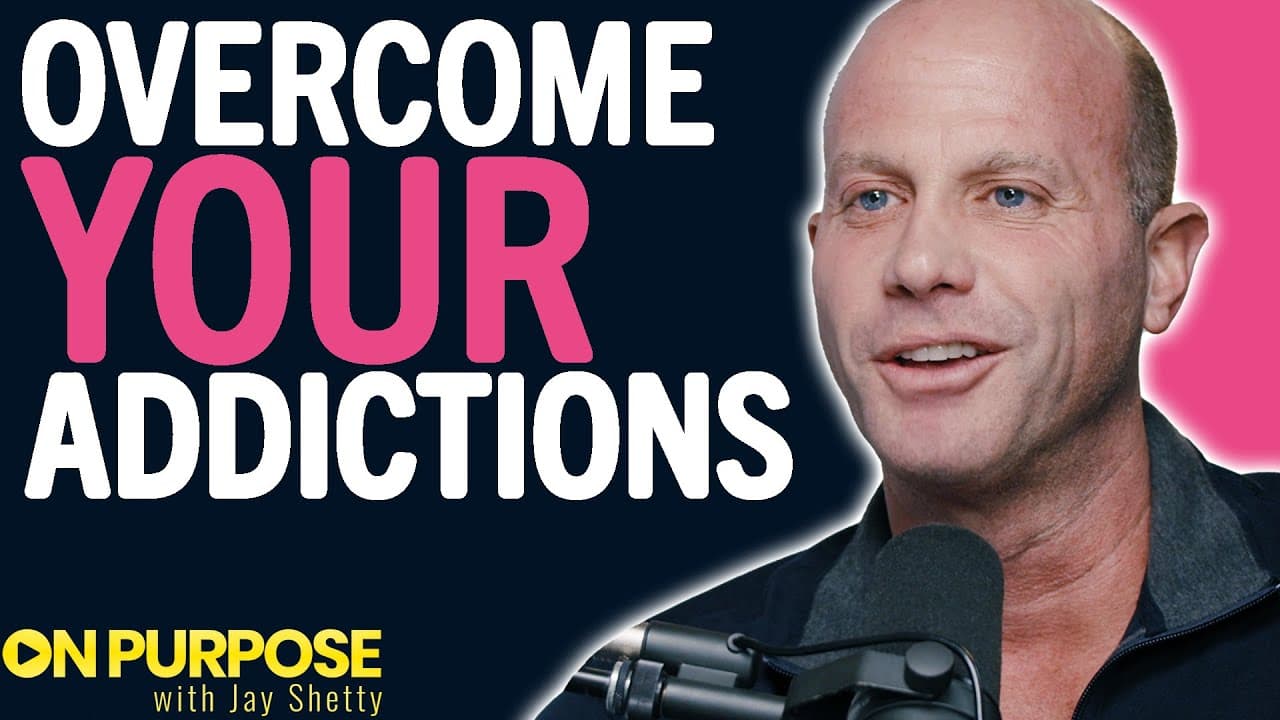
The fastest way to get out of your own head when you are struggling is to be of service to someone else, without looking for a payoff. Darren Prince, agent to icons like Magic Johnson and Muhammad Ali, reached the top of his career while still crippled by imposter syndrome and addiction, proving external success cannot heal a broken inner core.
Transcript
if you're struggling yourself with something the quickest way to get out of your own head is be of service to somebody else they don't need to be struggling with drugs alcohol could be a health issue family issue friend problem job problem i just think when you're there in that moment and you're there without looking for a payoff but just to be a g... Read More
Key Insights
- The quickest way to get out of your own head when struggling is to be of service to someone else. That person does not need to share your specific problem; showing up as a kind, caring human being without looking for a payoff helps you both.
- External success does not resolve imposter syndrome. Darren Prince represented Magic Johnson, Muhammad Ali, and Joe Frazier yet his imposter feelings got deeper because he believed the hype while his inner spirit kept breaking down.
- Being labeled early shapes later behavior. Prince was placed in small classrooms and told he was dumb, stupid, or learning disabled, and his refusal to speak up about those insecurities set him on the path toward addiction.
- Seeking validation for what was missing in childhood is a near-universal pattern. Prince needed the world to see the special-ed kid arrive at private jets, Super Bowls, and backstage passes because that was the validation he lacked growing up.
- Addiction can quietly reverse a person's relationship with a substance. Prince describes how 'living to use' turned into 'using to live,' though he could not pinpoint the exact moment it turned on him.
- Everyone carries some form of addiction, whether to sugar, smartphones, alcohol, or validation, so recovery is framed as a journey relevant to all listeners, not only those with severe substance problems.
- A childhood baseball card obsession became a blessing when Prince turned it into a multi-million dollar company in 1984 at age 14, transforming the 'dumb kid' into the smart, money-making one.
- Recovery is based on attraction rather than promotion. The chapter structure of Prince's story emphasizes drawing people in through example rather than pushing a message, reflecting how genuine service touches lives.
Install to Summarize YouTube Videos and Get Transcripts
Explore YouTube Video Summarizer or Get YouTube Transcript Extractor
Questions & Answers
Q: What is the quickest way to get out of your own head when struggling?
According to Darren Prince, the quickest way to get out of your own head when you are struggling is to be of service to somebody else. That person does not need to be struggling with drugs or alcohol; it could be a health issue, family issue, friend problem, or job problem. When you are present in that moment without looking for a payoff, simply being a good, kind, caring human being, you will help that other individual and yourself.
Q: Who is Darren Prince and which clients does he represent?
Darren Prince is the founder and CEO of Prince Marketing Group, a sports and celebrity management agency, and a global advocate for addiction and recovery. He has represented icons such as Magic Johnson, Hulk Hogan, Charlie Sheen, Dennis Rodman, Chevy Chase, and the late Joe Frazier and Muhammad Ali. He is also a sought-after speaker on addiction recovery and mental health.
Q: What is Darren Prince's book about?
In 2018, Darren Prince released his autobiography titled 'Aiming High: How a Prominent Sports and Celebrity Agent Hit Bottom at the Top,' which became an Amazon bestseller. Rather than a story about achieving external success, the book focuses on becoming successful from an internal space. It chronicles his journey through addiction and recovery, including how the substance abuse started, its effects on him and his family, and the lives he helped save.
Q: Why did success make Darren Prince's imposter syndrome worse instead of better?
Prince's imposter syndrome got deeper because he believed the hype around being a super agent working with Muhammad Ali, Joe Frazier, and Magic Johnson. His inner core was so badly broken that the validation from private jets, Super Bowls, and backstage passes only fed the need he lacked as a child. He needed the world to see the former special-ed kid arrive, which is precisely why external achievement could not heal him.
Q: How did Darren Prince's childhood contribute to his later struggles?
Prince grew up in Livingston, New Jersey with a loving mom and dad and a close sister, and had many friends, so outwardly everything looked fine. Inside, he was crippled with anxiety and lacked security or self-worth. He was placed in small classrooms and told he was dumb, stupid, or learning disabled. By never speaking up about these insecurities and feelings of being less than, he set himself on the path that eventually led to addiction.
Q: How did Darren Prince start his multi-million dollar company?
Prince was athletic and incredibly obsessed with baseball cards as a kid. By the time he was 14, that obsession turned into a tremendous blessing because he started a multi-million dollar company in 1984. Suddenly the kid who had been labeled dumb and stupid became the smart, brilliant one making a ton of money. He later founded Prince Marketing Group at age 24, with Magic Johnson becoming his first client.
Q: What did Darren Prince mean by 'living to use turned into using to live'?
Prince used this phrase to describe how his addiction quietly reversed over time. For the first five or six years after starting Prince Marketing Group at 24, he was a rock star, networking relentlessly and building the agency. He does not know exactly when it turned on him, but his relationship with the substance shifted from using it while enjoying life to needing it just to function, which marked the deepening of his addiction.
Q: Why does Jay Shetty say everyone has an addiction?
Jay Shetty frames addiction broadly, saying everyone has one. Some people have an addiction to sugar, some to their smartphones, some to alcohol, and some to validation. His point is that no one listening or watching is entirely free of addiction. This framing makes Prince's recovery story relevant to all viewers, positioning it as a journey everyone needs to go on rather than one only for those with severe substance abuse.
Summary
In this video, Darren Prince, the founder and CEO of Prince Marketing Group, shares his journey through addiction and recovery. He discusses his childhood, his rise to success as a sports and celebrity agent, and the moment he realized he had an addiction. Darren also talks about the impact of addiction on himself and his loved ones, as well as the challenges and breakthroughs he experienced during his recovery. He emphasizes the importance of service and helping others in the recovery process.
Questions & Answers
Q: What was Darren's childhood like and what were his insecurities?
Darren grew up in Livingston, New Jersey, with a loving family, but he struggled with anxiety, insecurity, and a lack of self-worth. He felt inadequate and didn't fit in, despite outwardly having friends and appearing okay. His insecurities and feeling of being less than led him down a destructive path.
Q: What were Darren's hobbies and how did they impact his life?
Darren was athletic and had a passion for baseball cards. At the age of 14, his obsession with baseball cards turned into a multi-million dollar company, which initially boosted his self-esteem and changed his perception of himself. However, he later realized that external success couldn't fill the void inside him.
Q: Why did Darren feel like he didn't fit in, and where did that anxiety come from?
Darren believes that his feelings of not fitting in and anxiety stemmed from being a mama's boy and not feeling secure when he wasn't around his parents. Despite having a loving family, he struggled to feel a sense of belonging and had imposter syndrome from a young age.
Q: Did the imposter syndrome go away when Darren achieved success in his career?
No, the imposter syndrome actually got deeper as Darren achieved success. He believed the external validation and success would make him feel worthy, but the core brokenness within him couldn't be fixed by achievements and recognition from others.
Q: How did Darren realize he had an addiction?
Darren's addiction started when he was 14 years old after taking liquid demerol for stomach pain at a sleepaway camp. He became obsessed with the feeling of euphoria it gave him and turned to various substances over the years. It wasn't until he hit a low point and had a wake-up call from his uncle and his uncle's girlfriend, who were in recovery themselves, that he realized he had an addiction.
Q: What was Darren's experience like in recovery?
Darren immersed himself in recovery by attending 90 meetings in 90 days and working the 12-step program. It took about six months for the physical cravings to subside and for his brain to start functioning better. It was a challenging process, but Darren found support from his sponsor and his spiritual brothers and sisters. He learned to prioritize his recovery and give back by helping others.
Q: What were some of the challenges Darren faced in recovery?
One of the biggest challenges in recovery was slowing down the racing thoughts and learning to stay present. It was difficult not to project into the future or get caught up in anxiety. It required constant work on his mindset and focusing on the present moment.
Q: How did Darren start serving others in recovery?
Darren became a sponsor himself and started helping others in their recovery journey. He realized that service was an essential part of his own recovery and that the key to staying sober was giving back to others.
Q: How can we help others who may be struggling with addiction?
When it comes to helping loved ones who are struggling with addiction, it can be challenging because people are often too close to the situation. Intervention or getting them into treatment may be necessary. It's important to prioritize their well-being over protecting them from consequences. Mental health and addiction need to be prioritized, especially during the opioid epidemic.
Q: What does Darren believe is the key to recovery and finding happiness?
Darren believes that the key to recovery and finding happiness is putting one's recovery first and staying connected to a support system. Connection and service are crucial aspects of healing and maintaining sobriety. It's about making the choice to stay sober and being willing to do whatever it takes to overcome addiction. Recovery is a lifelong journey of personal growth and learning to find happiness within oneself.
Takeaways
Darren Prince's journey through addiction and recovery emphasizes the importance of service and connection in overcoming addiction. He shares his personal experiences of feeling inadequate, achieving external success, and realizing that true happiness comes from within. Recovery requires prioritizing one's own well-being, seeking support, and giving back to others. Addiction impacts not only the individual but also their loved ones, and it's crucial to address mental health and addiction issues compassionately and proactively.
Summary & Key Takeaways
-
Darren Prince, founder and CEO of Prince Marketing Group, represents icons including Magic Johnson, Hulk Hogan, Charlie Sheen, Dennis Rodman, and the late Joe Frazier and Muhammad Ali. His 2018 bestselling autobiography, 'Aiming High,' chronicles how a top sports and celebrity agent hit bottom at the peak of his career.
-
Growing up in Livingston, New Jersey with loving parents and a close sister, Prince appeared fine outwardly but was crippled by anxiety, low self-worth, and imposter syndrome. Placed in small classrooms and called dumb or learning disabled, he never spoke up, and that silence about his insecurities set his later path.
-
Prince built his agency at 24 with Magic Johnson as his first client, spending years networking on planes as a rising star. Success deepened rather than healed his imposter syndrome, and his message centers on service to others as the quickest way out of one's own head.
Read in Other Languages (beta)
Share This Summary 📚
Summarize YouTube Videos and Get Video Transcripts with 1-Click
Try YouTube Summary with ChatGPT & Claude or YouTube Transcript Generator
Explore More Summaries from Health & Wellness 📚


Summarize YouTube Videos and Get Video Transcripts with 1-Click
Try YouTube Summary with ChatGPT & Claude or YouTube Transcript Generator