Ron DeSantis on NIL Reform, Trump, and What Comes Next
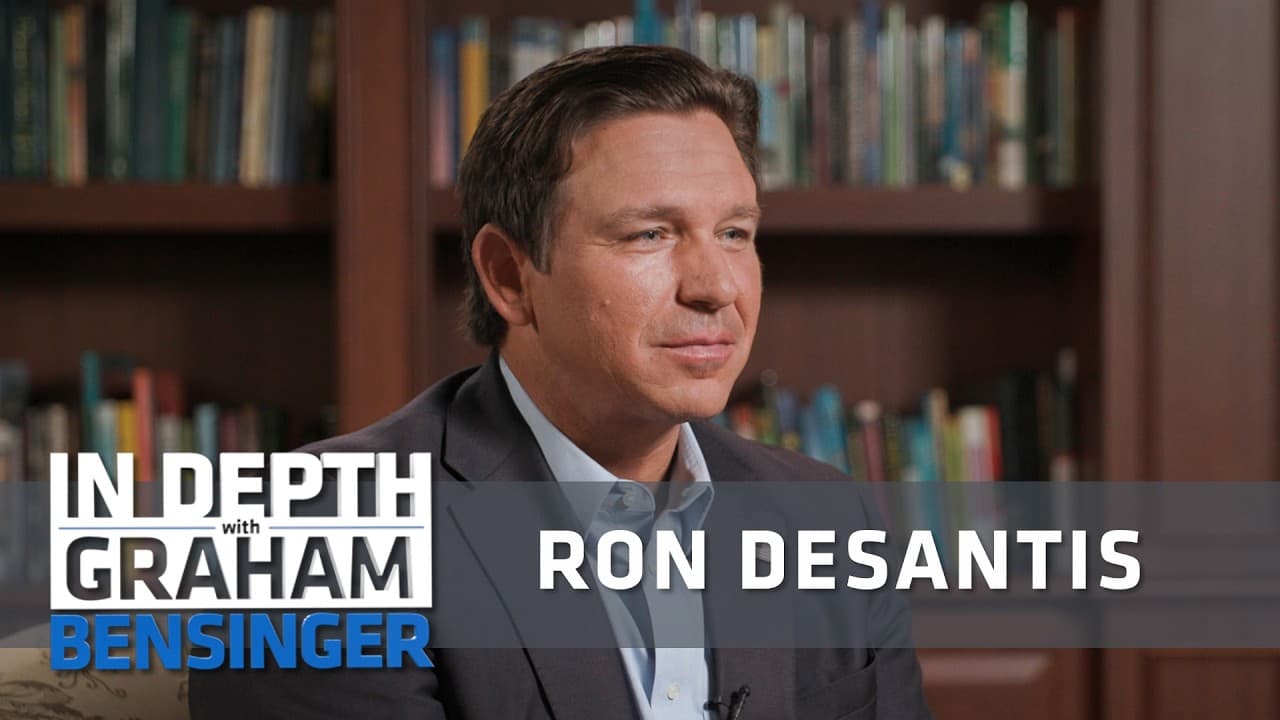
TL;DR
Fixing college sports requires just three changes, according to Ron DeSantis: tighter eligibility rules so athletes cannot play into their mid-20s, limits on the transfer portal, and reining in pay-to-play NIL collectives. He argues Congress must pass an antitrust exemption within roughly three months, before the midterms close the window, or the damage to non-revenue college sports will worsen.
Transcript
All right, everybody go ahead and get settled. That's so quiet and serious. You've been called thin-skinned [music] before. You've been called a bully before. Your thoughts? Well, I think when they say bully, it just means I'm I'm an energetic executive. Some of the pushback [music] on that topic was connected to the fact that it goes through like ... Read More
Key Insights
- College sports reform comes down to three fixes, DeSantis says: eligibility limits so a player who takes his first snap at 18 or 19 is not still competing at 26, restrictions on the transfer portal, and curbing pay-to-play NIL collectives.
- NIL collectives have devolved into pay-to-play arrangements, giving college athletes more leverage to demand money and leave than professional athletes have, since a pro would never refuse to play a wild card or bowl game.
- A congressional antitrust exemption is the necessary mechanism, according to DeSantis, because recent court decisions have stripped college athletics of the legal authority to set its own rules on eligibility, transfers, and NIL.
- The reform window is roughly three months, DeSantis estimates. If Congress does not act before attention shifts to the midterms, the opportunity may be lost and the situation will continue to worsen.
- College football is king in the South and Midwest, DeSantis notes, contrasting those regions with New England states where professional sports dominate fan attention and school identity.
- Rising football program costs have doubled or tripled, cutting into the money that once subsidized non-revenue sports. Schools are now eliminating Olympic and women's sports as a result.
- Athletic profits are concentrated in football, DeSantis explains, citing Alabama under Nick Saban bringing in $90 million while spending $30 million, a $60 million profit that subsidized programs losing money.
- Division I athletics builds future leaders regardless of pro prospects, DeSantis argues, because learning to train, accept adversity, and overcome failure teaches leadership across football, baseball, and women's soccer alike.
Install to Summarize YouTube Videos and Get Transcripts
Explore YouTube Video Summarizer or Get YouTube Transcript Extractor
Questions & Answers
Q: How does Ron DeSantis propose to fix college sports and NIL?
DeSantis proposes three fixes that he believes would resolve about 90% of the issues. First, eligibility rules so a player who takes his first snap at 18 or 19 is not still competing at 26. Second, limits on the transfer portal, perhaps allowing one transfer rather than repeated moves demanding more money. Third, curbing NIL collectives that have devolved into pay-to-play. He says Congress would need to grant an antitrust exemption to give college athletics the authority to adopt these rules.
Q: Why does DeSantis say Congress must act on college sports?
DeSantis argues that recent court decisions have stripped college athletics of the legal authority to enforce its own rules, so a congressional antitrust exemption is required to restore that ability. He suggests a limited package could grant the exemption and let college athletics address eligibility, transfers, and NIL collectives without resolving every issue. He estimates the window is about three months, warning that once attention turns to the midterms the opportunity may be missed and the situation will keep worsening.
Q: What is DeSantis's view on paying college athletes?
DeSantis supports compensating college athletes, noting he signed one of the first NIL bills in the country. His reasoning is that if a school sells a player's jersey, the athlete should be able to profit, and if a car dealer wants an athlete to sponsor a commercial, that should be allowed. He points out athletes were previously barred from even working a library job for four hours on a Monday night, but says the system has now swung too far, giving them more leverage than pro athletes.
Q: How are NIL collectives hurting non-revenue college sports?
DeSantis explains that rising football program costs have doubled or tripled, draining the profits that once subsidized other sports. He cites Alabama under Nick Saban bringing in $90 million while spending $30 million, a $60 million profit that helped fund programs losing money. With football costs now higher, schools lack the money to subsidize Olympic sports, women's sports, and baseball, so they are cutting those programs. He notes almost all college sports lose money and depend on football profits.
Q: What did DeSantis do in college baseball at Yale?
DeSantis was the captain of the Yale baseball team and batted .313 over four years. He says he genuinely wanted to go pro and would have done it if he could have. However, he chose Yale partly because he was planning beyond baseball, recognizing the steep odds. He notes that reaching Division 1 puts a player in roughly the top 1%, while making the big leagues requires being in the top 0.01%, describing it as a very arduous path.
Q: How did the Trump college sports round table come together?
DeSantis says he was playing golf with President Trump over the Christmas break and asked whether Trump planned to fix NIL. Trump agreed it should be done and asked DeSantis to help. DeSantis then helped bring together key people including Nick Saban, Urban Meyer, Charlie Ward, Condoleezza Rice, and Yankees vice chair Randy Levine, who knows many people. The goal was to gather influential figures at a table to talk through the issues most people already agree on.
Q: Why does DeSantis value college athletics beyond producing pro players?
DeSantis argues that Division I athletics develops future leaders regardless of whether an athlete turns professional. He says competing teaches players how to train, accept adversity, overcome it, and understand that they are going to fail, all of which builds leadership. He believes this value applies across football, baseball, and women's soccer alike, and that great college athletics matters far beyond who ends up in the NFL, NBA, or Major League Baseball, calling these athletes future leaders of the country.
Q: What does DeSantis say about the transfer portal problem?
DeSantis argues the transfer portal has given college athletes excessive leverage to demand money and leave. He describes a scenario where a quarterback throws for 300 yards, tells the coach he needs more money, and is gone if he does not get it, or refuses to play in a bowl game. He contrasts this with pro athletes, who would never sit out a wild card game, and proposes limiting transfers, perhaps to one, as part of his three-point reform package.
Summary & Key Takeaways
-
Ron DeSantis helped convene a college sports round table with President Trump after asking about NIL during a Christmas golf outing. Attendees included Nick Saban, Urban Meyer, Charlie Ward, Condoleezza Rice, and Yankees vice chair Randy Levine, aiming to build agreement on reform.
-
DeSantis frames the fix around three issues: eligibility rules, transfer portal limits, and curbing pay-to-play NIL collectives. He supports athlete compensation, having signed one of the first NIL bills, but says the system swung from athletes having fewer rights to more leverage than pros.
-
A former Yale baseball captain who batted .313 over four years, DeSantis wanted to go pro but stresses the odds, noting only the top 0.01% reach the majors. He values Division I athletics for teaching leadership beyond professional outcomes.
Read in Other Languages (beta)
Share This Summary 📚
Summarize YouTube Videos and Get Video Transcripts with 1-Click
Try YouTube Summary with ChatGPT & Claude or YouTube Transcript Generator
Explore More Summaries from Graham Bensinger 📚
![5 Months with Logan Paul [Full Episode] thumbnail](/_next/image?url=https%3A%2F%2Fi.ytimg.com%2Fvi%2FWUrQrwgiZ_Y%2Fhqdefault.jpg&w=750&q=75)

Summarize YouTube Videos and Get Video Transcripts with 1-Click
Try YouTube Summary with ChatGPT & Claude or YouTube Transcript Generator