How Does Light Timing Affect Sleep and Mood Improvement?
TL;DR
Proper light exposure, especially in the morning, aligns your circadian rhythm, enhancing sleep quality and mood. Aim for 10-30 minutes of bright light exposure shortly after waking, even on cloudy days. Avoid evening light, particularly blue light, to prevent disruptions in your sleep-wake cycle, which can negatively impact mood and cognitive functions.
Transcript
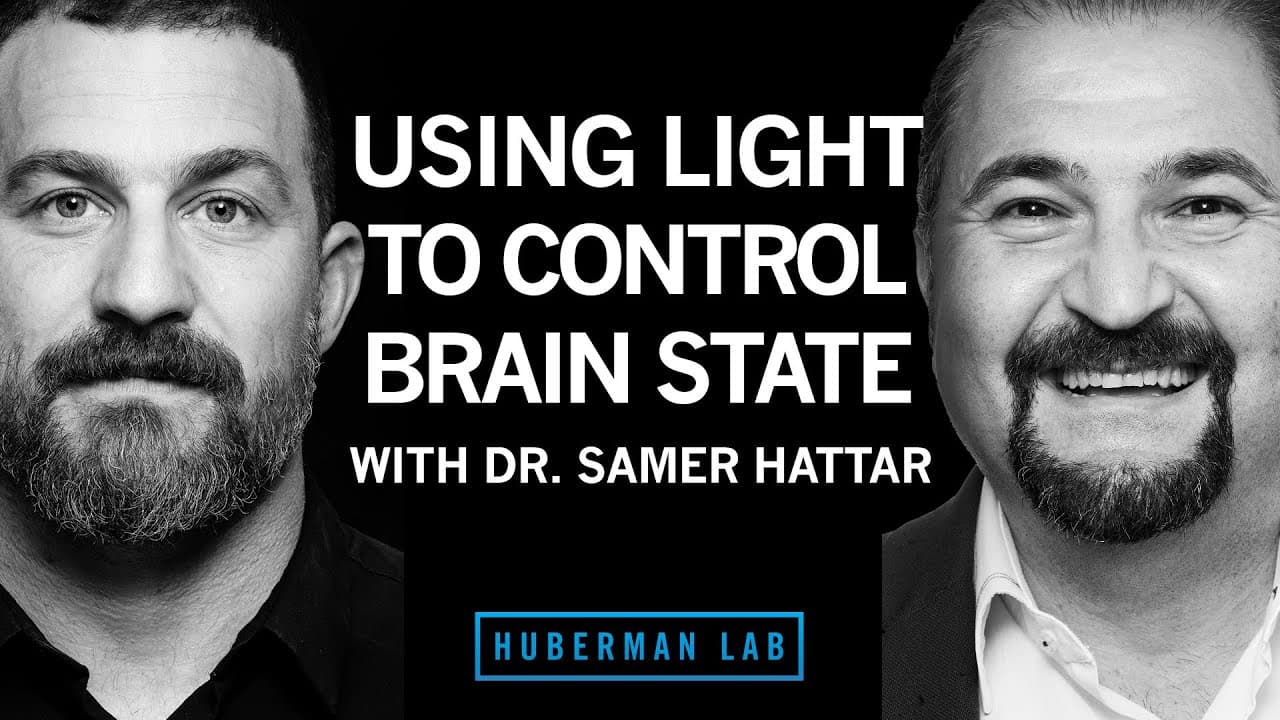
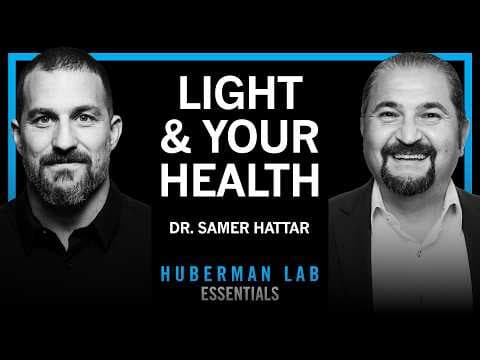
- Welcome to the Huberman Lab Podcast, where we discuss science, and science-based tools for everyday life. I'm Andrew Huberman, and I'm a Professor of Neurobiology and Ophthalmology at Stanford School of Medicine. Today, I have the pleasure of introducing Dr. Samer Hattar as my guest on the Huberman Lab Podcast. Dr. Hattar is the Chief of the Sect... Read More
Key Insights
- 🏍️ Light exposure in the morning is crucial for setting the circadian clock and aligning the sleep-wake cycle with the natural day-night cycle.
- 🙂 Bright light exposure throughout the day helps regulate the circadian system and promote optimal health.
- 🙂 Disruptions in light exposure can have negative effects on mood, stress levels, and cognitive function, including learning and memory processes.
Install to Summarize YouTube Videos and Get Transcripts
Explore YouTube Video Summarizer or Get YouTube Transcript Extractor
Questions & Answers
Q: How does light exposure impact sleep-wake cycles?
Light exposure in the morning helps set the circadian clock and aligns our sleep-wake cycle with the natural day-night cycle. Bright light exposure throughout the day helps regulate the circadian system and promotes better sleep at night. On the other hand, exposure to bright light in the evening, especially blue light from screens, can disrupt the circadian clock and make it harder to fall asleep.
Q: What are the effects of disrupted light exposure on mood?
Disrupted light exposure, such as not getting enough bright light in the morning or excessive exposure to light at night, can have a significant impact on mood. It can lead to mood disorders, such as depression and anxiety. The circadian system and the release of certain neurotransmitters, such as serotonin, are closely linked to mood regulation, and disruptions in light exposure can disrupt this delicate balance.
Q: How does light exposure affect stress levels?
Light exposure, particularly in the morning, helps regulate the production of cortisol, a stress hormone. Proper light exposure helps maintain a healthy circadian rhythm, which in turn helps regulate stress levels. Disruptions in light exposure, such as not getting enough bright light in the morning or excessive exposure to light at night, can disrupt this balance and increase stress levels.
Q: How does disrupted light exposure affect learning and memory?
Light exposure, especially in the morning, is important for optimal cognitive function, including learning and memory. Proper light exposure helps synchronize the circadian rhythms, which play a role in cognitive processes. Disruptions in light exposure, such as not getting enough bright light in the morning or excessive exposure to light at night, can interfere with cognitive function, including learning and memory processes.
Summary & Key Takeaways
-
Light exposure in the morning helps set the circadian clock and aligns our sleep-wake cycle with the natural day-night cycle.
-
Getting bright light throughout the day helps regulate the circadian system and maintain optimal health.
-
Evening light exposure should be minimized, especially blue light, which can disrupt the circadian clock and make it harder to fall asleep.
-
Disruptions in light exposure and sleep-wake cycles can have significant effects on mood, stress levels, and learning and memory.
Read in Other Languages (beta)
Share This Summary 📚
Summarize YouTube Videos and Get Video Transcripts with 1-Click
Try YouTube Summary with ChatGPT & Claude or YouTube Transcript Generator
Explore More Summaries from Andrew Huberman 📚

Summarize YouTube Videos and Get Video Transcripts with 1-Click
Try YouTube Summary with ChatGPT & Claude or YouTube Transcript Generator