[Eng Sub] Sensors in smartphone - Part 1
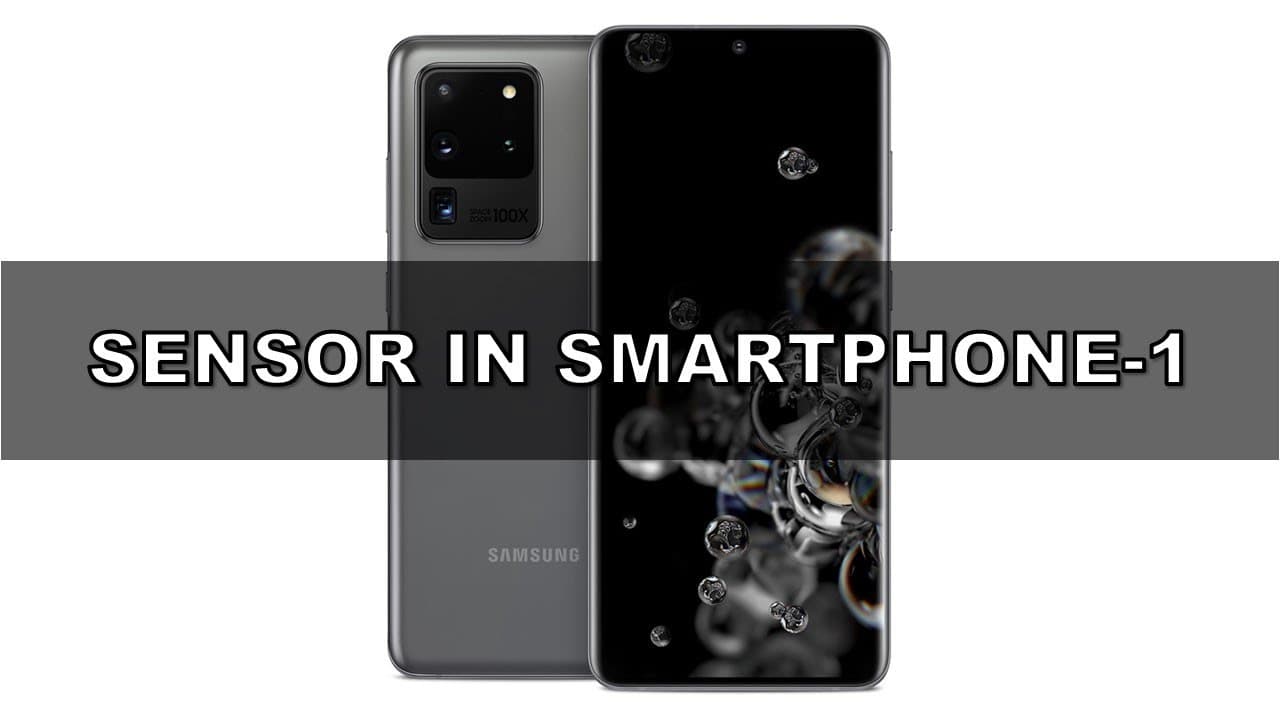
TL;DR
Smartphones contain numerous sensors for various functionalities.
Transcript
Today I want to talk about sensors in a smartphone. Do you know how many sensors in your smartphone? Let’s list up what they are. Camera, Accelerometer, Gyroscope, Pressure sensor, Magnetometer, Proximity sensor, Ambient light sensor, Microphone, Touch screen sensor, Heart rate sensor, oximeter, GPS, Fingerprint sensor, Radar, Temperature sensor, H... Read More
Key Insights
- Smartphones house a variety of sensors that many users are unaware of, enhancing functionality and user experience significantly.
- The camera sensor in smartphones has largely replaced standalone cameras due to its convenience and sufficient quality for everyday use.
- Accelerometers in smartphones detect changes in speed, enhancing gaming experiences by simulating movement and action.
- Gyroscopes measure rotation and changes in angle, allowing for interactive game controls and other applications that require orientation detection.
- Pressure sensors in smartphones help determine altitude by measuring air pressure, useful for activities like hiking.
- Magnetometers function as compasses by detecting Earth's magnetic fields, aiding in navigation and direction finding.
- Proximity sensors save battery life by turning off the display when the phone is close to the user's face during calls.
- Ambient light sensors adjust screen brightness based on surrounding light conditions, improving visibility and conserving battery life.
Install to Summarize YouTube Videos and Get Transcripts
Explore YouTube Video Summarizer or Get YouTube Transcript Extractor
Questions & Answers
Q: What is the primary function of the camera sensor in smartphones?
The camera sensor in smartphones is primarily used to capture photos and videos. It has largely replaced standalone cameras due to its convenience, compactness, and sufficient quality for everyday photography. Inside the camera, a semiconductor converts light into electrical signals, enabling the capture of images and videos.
Q: How does the accelerometer enhance gaming experiences on smartphones?
The accelerometer enhances gaming experiences on smartphones by detecting changes in speed and movement. This sensor allows games to simulate real-world actions, such as steering in racing games or character movement, by translating the physical motion of the smartphone into in-game actions, providing an immersive experience.
Q: What role does the gyroscope play in smartphone functionality?
The gyroscope in smartphones measures rotation and changes in angle, which is essential for applications requiring orientation detection. It enables features like screen rotation, augmented reality applications, and interactive gaming controls, where the device's orientation affects gameplay, such as steering in racing games by tilting the phone.
Q: Why are pressure sensors included in smartphones?
Pressure sensors in smartphones measure atmospheric pressure to determine altitude, which is particularly useful for outdoor activities like hiking. By detecting changes in air pressure, these sensors can provide information about elevation and assist in applications that require altitude data, enhancing navigation and outdoor adventures.
Q: How do magnetometers assist in navigation on smartphones?
Magnetometers in smartphones function as digital compasses by detecting Earth's magnetic fields. They help in navigation by determining directions, such as north, south, east, and west, and are crucial for map applications that require orientation information. This sensor aids users in finding their way in unfamiliar locations.
Q: What is the purpose of the proximity sensor in smartphones?
The proximity sensor in smartphones detects when the device is close to the user's face, such as during a call, and turns off the display to save battery life. It uses infrared light to determine proximity, preventing accidental touches and conserving energy by deactivating the screen when not needed.
Q: How does the ambient light sensor contribute to energy conservation?
The ambient light sensor in smartphones measures surrounding light levels and adjusts the screen brightness accordingly. By optimizing brightness based on environmental conditions, it improves visibility and conserves battery life, ensuring the display is not unnecessarily bright in dark settings or too dim in bright environments.
Q: What are some lesser-known sensors mentioned in the content?
Lesser-known sensors mentioned include the heart rate sensor, oximeter, fingerprint sensor, radar, temperature sensor, humidity sensor, and radiation sensor. These sensors provide additional functionalities, such as health monitoring, biometric security, environmental data collection, and advanced user interactions, expanding the capabilities of modern smartphones.
Summary & Key Takeaways
-
Smartphones are equipped with a multitude of sensors, each serving unique functions that enhance user interaction and device capabilities. The camera sensor, for example, has replaced traditional cameras due to its convenience and quality. Other sensors like accelerometers and gyroscopes improve gaming experiences by detecting speed changes and rotation.
-
Pressure sensors in smartphones measure air pressure to determine altitude, making them useful for outdoor activities. Magnetometers act as digital compasses, detecting Earth's magnetic fields to assist in navigation. Proximity sensors help conserve battery life by deactivating the display during calls when the device is near the user's face.
-
Ambient light sensors automatically adjust screen brightness to match environmental lighting, improving visibility and saving energy. The diverse array of sensors in smartphones plays a crucial role in enhancing functionality, from navigation and gaming to energy conservation and interactive experiences.
Read in Other Languages (beta)
Share This Summary 📚
Summarize YouTube Videos and Get Video Transcripts with 1-Click
Try YouTube Summary with ChatGPT & Claude or YouTube Transcript Generator
Explore More Summaries from Semicon Talk 📚
![[Eng Sub] Wafer Sawing Process: Blade saw, Laser saw, Plasma saw thumbnail](/_next/image?url=https%3A%2F%2Fi.ytimg.com%2Fvi%2FJh4uJZR_OYs%2Fhqdefault.jpg&w=750&q=75)
![[Eng Sub] Stealth Dicing thumbnail](/_next/image?url=https%3A%2F%2Fi.ytimg.com%2Fvi%2FMhY8RPREI_c%2Fhqdefault.jpg&w=750&q=75)
![[Eng Sub] 5G Smartphone: Samsung Galaxy, Apple iPhone, Qualcomm thumbnail](/_next/image?url=https%3A%2F%2Fi.ytimg.com%2Fvi%2F6yGn0cJ18Kw%2Fhqdefault.jpg&w=750&q=75)
![[Eng Sub] PoP(Package on Package): Qualcomm, Apple, Samsung - MCeP, InFO, iPoP thumbnail](/_next/image?url=https%3A%2F%2Fi.ytimg.com%2Fvi%2FFU62n4S9VEk%2Fhqdefault.jpg&w=750&q=75)
![[Eng Sub] Cu Wire Bonding thumbnail](/_next/image?url=https%3A%2F%2Fi.ytimg.com%2Fvi%2F8XaobXIQueM%2Fhqdefault.jpg&w=750&q=75)
![[Eng Sub] Car semiconductor technologies-2: Infotainment, Sensor, Electric car thumbnail](/_next/image?url=https%3A%2F%2Fi.ytimg.com%2Fvi%2F8YUJNtg4kBw%2Fhqdefault.jpg&w=750&q=75)
Summarize YouTube Videos and Get Video Transcripts with 1-Click
Try YouTube Summary with ChatGPT & Claude or YouTube Transcript Generator