Why Did Brokers Restrict Short-Squeeze Trades?
TL;DR
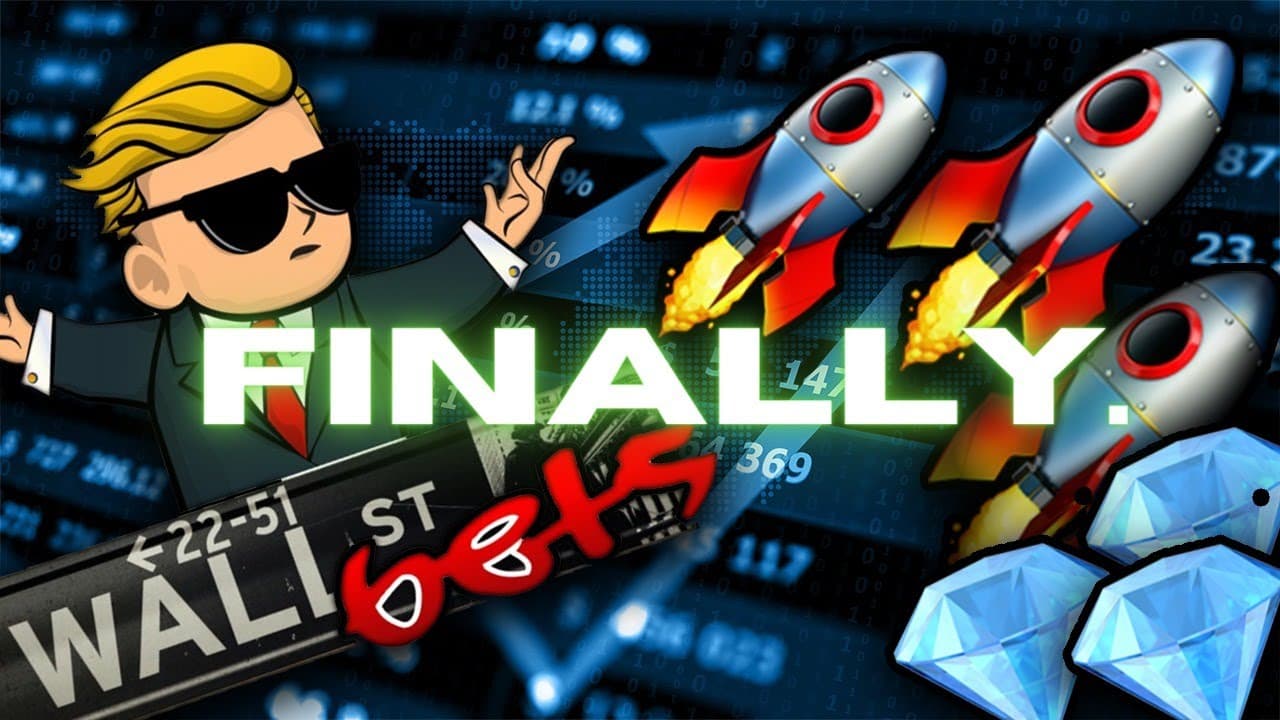
Brokerage restrictions prevented some users from buying selected stocks and limited newer instant deposits for cryptocurrency purchases, intensifying anger during a fast-moving short-squeeze campaign. The hosts urged viewers to stay focused on squeezing short positions rather than scattering money across unrelated stocks, while acknowledging that they were not experts and that decisions about selling or holding remained uncertain.
Transcript
Yo, what is going on, you guys? Welcome back to another video. I apologize for being a few minutes late. I actually started a new live stream on, uh, on the unlisted video. Uh, guys, good morning. So much has happened since last night. So much has happened. Today is gonna be an absolutely incredible day. I have so much news to share with you, and w... Read More
Key Insights
- Brokerage restrictions are central to the hosts' frustration because they say retail investors were prevented or limited from purchasing shares during a period of strong price movement. Brian Jung says he never expected brokerages to possess or exercise the power to restrict buying in this way.
- The movement's stated purpose is to squeeze short sellers, according to Brian Jung. He warns that shifting attention toward unrelated stocks and penny-stock promotions could diversify participation, dilute the coordinated effort, and create conflict among people who were originally pursuing the same objective.
- Robinhood's cryptocurrency restriction reportedly applied to newer instant deposits, according to JJ Buckner. He says users could purchase cryptocurrency only with money that had previously been available in their accounts, adding another layer to the rapidly developing controversy discussed during the livestream.
- AMC was trading above $20 before brokerage restrictions, according to JJ Buckner's recollection of premarket activity. He also says GameStop and BlackBerry were rising, although he does not provide their specific prices before the transcript ends during his description of Robinhood's action.
- The hosts are commentators rather than experts, and they explicitly acknowledge that they are learning as events develop. Their livestream presents reactions, shared resources, audience sentiment, and unfolding reports, so viewers should distinguish the hosts' immediate interpretations from confirmed professional financial analysis.
- The controversy has attracted attention beyond the hosts' channels, with CNBC, Dave Portnoy, Elon Musk, and online forums mentioned as sources of reactions or developments. The hosts characterize the situation as changing every few minutes because public figures, prices, brokerages, and online discussions are moving simultaneously.
- Retail investors experienced both financial gains and sudden constraints during the episode. JJ Buckner says he was up more than $10,000 on Wednesday, while Brian Jung reports that some friends made tens of thousands of dollars from Dogecoin, illustrating the scale of gains discussed without establishing final outcomes.
- The livestream's audience became part of the unfolding event through chat messages, donations, direct messages, and reports about other stocks. Brian Jung notes 4,000 viewers and 600 likes early in the broadcast, while both hosts describe receiving unusually strong support from people following their extended coverage.
Install to Summarize YouTube Videos and Get Transcripts
Explore YouTube Video Summarizer or Get YouTube Transcript Extractor
Questions & Answers
Q: Why did brokerage restrictions anger retail traders?
Brokerage restrictions angered the hosts because they say traders were prevented or limited from purchasing shares while several closely watched stocks had been rising. Brian Jung says he never expected brokerages to have the power to limit share purchases. JJ Buckner adds that AMC had been above $20 before the restrictions, and he describes traders as being financially harmed by the sudden change.
Q: What was the goal of the short-squeeze movement?
The stated goal was to squeeze short sellers through concentrated activity in stocks associated with the campaign, including AMC, GameStop, Nokia, and BlackBerry. Brian Jung tells viewers that the effort was not supposed to become a promotion vehicle for unrelated stocks. He argues that spreading attention across different penny stocks could diversify and dilute participation in the original movement.
Q: Why did Brian Jung discourage discussion of unrelated penny stocks?
Brian Jung discouraged unrelated penny-stock promotion because he believed it could divide attention and money away from the effort to squeeze short positions. After a viewer asked about JAGX and posts on StockTwits, he warned that many stocks would be discussed during the excitement. He urged viewers to remember the original intent and avoid creating conflict within the group.
Q: What cryptocurrency buying restriction did Robinhood reportedly impose?
JJ Buckner reports that Robinhood stopped users from purchasing cryptocurrency with newer instant deposits. According to his explanation, customers could buy cryptocurrency only with money that had already been available in their accounts. The hosts treat this as another significant development in a rapidly changing situation, particularly because it followed Elon Musk adding Bitcoin to his profile.
Q: Which stocks were discussed in connection with the short squeeze?
The description identifies AMC, GameStop, Nokia, and BlackBerry as stocks covered in the breaking-news livestream about a short squeeze against hedge funds. During the conversation, JJ Buckner specifically recalls AMC being above $20 before trading restrictions and says GameStop and BlackBerry were also up. The transcript does not provide exact prices for GameStop, Nokia, or BlackBerry.
Q: Were the livestream hosts presenting themselves as financial experts?
No. Brian Jung and JJ Buckner explicitly say they are not experts and are learning as the situation develops. They describe gathering sources, reading forums, watching price movements, and reacting to frequent announcements. Their discussion is framed as an attempt to share thoughts and represent audience frustration, while the description states that the channel's information is for educational, entertainment, and informational purposes.
Q: How quickly was the short-squeeze situation changing?
The hosts describe developments as arriving every few minutes. They mention stock-price movements, brokerage purchasing limits, cryptocurrency deposit restrictions, online forum discussions, and reactions from CNBC, Dave Portnoy, and Elon Musk. Both say they were sleeping very little and broadcasting for extended periods because new information continued appearing, making the situation difficult to interpret in real time.
Q: What financial gains did the hosts mention during the livestream?
JJ Buckner says he was up more than $10,000 on Wednesday before describing higher premarket prices and subsequent brokerage restrictions. Brian Jung also says some of his friends made tens of thousands of dollars from Dogecoin, which he considered remarkable. These statements describe gains observed or reported at that moment, but the transcript provides no final realized results.
Summary & Key Takeaways
-
The livestream follows a rapidly changing campaign involving AMC, GameStop, Nokia, BlackBerry, and other securities associated with efforts to squeeze short sellers. The hosts describe frequent breaking developments, strong audience interest, and widespread frustration after brokerages allegedly limited share purchases while prices had been rising before the restrictions took effect.
-
Brian Jung invites fellow creator JJ Buckner to compare reactions and review emerging information. Both hosts emphasize that they are learning as events unfold, not presenting themselves as experts. They describe little sleep, long broadcasts, supportive audiences, and the difficulty of interpreting new market, brokerage, billionaire, and cryptocurrency developments appearing every few minutes.
-
The discussion warns viewers that promoting unrelated penny stocks could diversify and dilute the original movement to squeeze short positions. It also covers Robinhood's reported restriction on using newer instant deposits for cryptocurrency purchases, Elon Musk adding Bitcoin to his profile, and the hosts' anger over limits imposed on retail traders during volatile trading.
Read in Other Languages (beta)
Share This Summary 📚
Summarize YouTube Videos and Get Video Transcripts with 1-Click
Try YouTube Summary with ChatGPT & Claude or YouTube Transcript Generator
Explore More Summaries from Brian Jung 📚

Summarize YouTube Videos and Get Video Transcripts with 1-Click
Try YouTube Summary with ChatGPT & Claude or YouTube Transcript Generator