How YouTube Copyright Claims Fail Creators
TL;DR
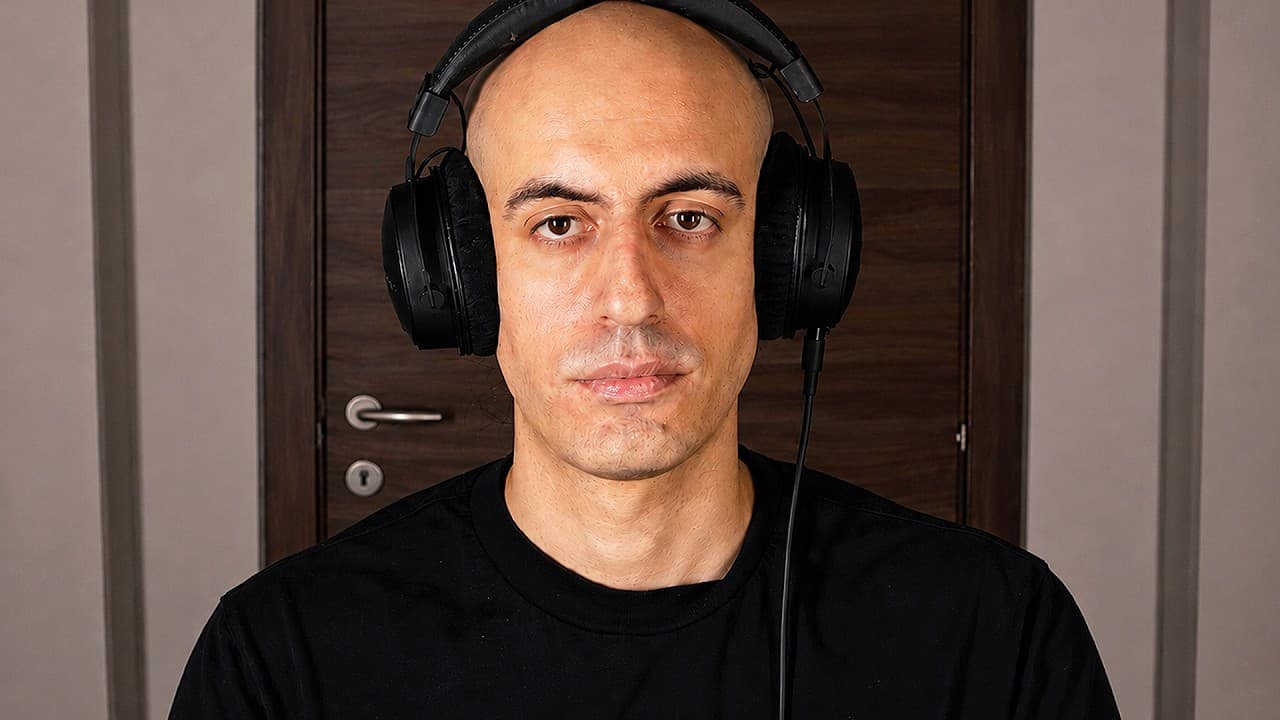
YouTube removed a copyright claim on muted audio, but another claim targeted a heavily modified five-second musical passage and reappeared when the creator discussed it. Even after YouTube contacted him privately, his detailed objection received only a generic explanation of copyright, raising concerns that creators cannot obtain meaningful human review of specific claims.
Transcript
In my latest video, I talked about what is, without a doubt, possibly the single dumbest copyright claim I've ever received in my life. I played The Sound of Silence, except I didn't actually play it. The audio was muted, and somehow, through the sheer, unimaginable power of the algorithm, it got copyright claimed. Well, I have good news. The claim... Read More
Key Insights
- A copyright claim on muted audio was removed after the creator publicized the case. He presents the outcome humorously as confirmation that silence is copyright-free again, but the original claim remains an example of how automated detection can produce results that appear disconnected from audible content.
- A separate claim targeted a five-second passage that vaguely resembled another song. The creator says the passage had a different rhythm, slightly different notes, and heavy modification, which led him to dispute whether the claimed material was sufficiently similar to justify enforcement.
- The disputed copyright claim appeared again when the creator replayed the same modified passage while discussing the original dispute. He describes this recurrence as a claim that reproduces whenever he talks about it, using humor to show how commentary can trigger another enforcement action.
- YouTube contacted the creator privately after his complaint video was published. The initial message upheld the claim but, according to his characterization, did not meaningfully engage with the musical differences, adaptation argument, or circumstances that made the claim seem unreasonable to him.
- The creator challenged whether basic musical note sequences can reasonably be treated as owned material. He argued that many songs in Western music sound similar and asked where ordinary mathematical patterns of notes end and copyrightable composition begins, although YouTube did not directly answer that question.
- YouTube responded to the creator's detailed objection with a general link explaining how copyright works on the platform. He considered this inadequate because he had spent 15 years on YouTube, uploaded over 1,000 videos, and wanted analysis of his specific case rather than introductory information.
- Large audiences do not necessarily guarantee meaningful human review of copyright disputes. The creator says his platform lets him publicize unreasonable outcomes and rally community support, yet even that leverage did not produce a direct, case-specific conversation with YouTube about the disputed passage.
- Comedy is used to reinforce the criticism of inconsistent copyright enforcement. Jokes about guitar, bass picks, baldness, and filing claims against a supportive commentator mirror the arbitrary logic the creator believes he encountered while keeping the central concern focused on creator access to fair review.
- More videos from this channel:
- More from this channel: Davie504
Install to Summarize YouTube Videos and Get Transcripts
Explore YouTube Video Summarizer or Get YouTube Transcript Extractor
Questions & Answers
Q: Why was the copyright claim on muted audio removed?
The transcript confirms that the copyright claim on the muted performance was removed, but it does not identify the exact reason or decision process behind that removal. The creator celebrates the result by joking that silence is copyright-free again. His underlying criticism is that muted audio received a claim in the first place, which he presents as an especially unreasonable algorithmic outcome.
Q: Why did the five-second musical passage receive a copyright claim?
The five-second passage was claimed because it apparently resembled another song, although the creator argues that the resemblance was vague. He says his version used a very different rhythm, slightly different notes, and heavy modification. The transcript does not provide YouTube's detailed musical analysis, so it establishes the creator's objections but not the claimant's specific comparison criteria.
Q: What happened when the creator discussed the original copyright claim?
When the creator discussed the original dispute and played the modified passage again, that same section received another copyright claim. He jokes that the claim was reproducing and hunting him whenever he mentioned it. The recurrence demonstrates his practical concern that showing disputed material for commentary can create another claim rather than helping resolve the original disagreement.
Q: How did YouTube respond to the creator's copyright objection?
YouTube contacted the creator privately after his complaint video appeared. He replied with a detailed explanation of why he considered the claim unfair, emphasizing adaptation, altered musical features, and similarities among many songs. YouTube then sent him a general link explaining how copyright works on the platform rather than directly addressing his specific musical and ownership arguments.
Q: What was the creator's argument about ownership of musical notes?
The creator argued that many songs in Western music sound similar and questioned when a person owns a song versus a basic mathematical sequence of notes. He illustrated the issue by asking whether playing C followed by E could create an obligation to pay someone. His point was that ordinary musical building blocks complicate broad similarity-based copyright claims.
Q: Why did YouTube's generic copyright link concern the creator?
The generic link concerned him because it did not answer the detailed questions he raised about his specific claim. He had already spent 15 years creating on YouTube and uploaded over 1,000 videos, so introductory copyright information felt unresponsive. He wanted a meaningful human conversation about the disputed passage, its modifications, and why the claim had been upheld.
Q: Can a large YouTube creator obtain human review of a copyright dispute?
The creator's experience suggests that a large public platform does not necessarily produce meaningful, case-specific human review. He says he can publish a complaint and receive community support when something unreasonable happens, yet he still could not have a substantive conversation with YouTube about this claim. His concern is greater for creators without comparable visibility or leverage.
Q: How does the creator use humor to criticize YouTube copyright enforcement?
The creator turns the dispute into jokes about silence requiring royalties, lawyers appearing when he thinks about a song, playing guitar despite being a bassist, using a pick, and claiming ownership of baldness. These exaggerations mirror what he sees as arbitrary enforcement. The comedy supports a serious criticism that generic responses and recurring claims fail to address context.
Summary & Key Takeaways
-
A copyright claim involving muted audio was eventually removed, leading the creator to joke that silence was copyright-free again. However, a separate claim remained over five seconds of music that only vaguely resembled another song because it used a different rhythm, slightly different notes, and substantial modification.
-
After the creator publicly criticized the claims, YouTube contacted him privately. He submitted a detailed response arguing that his passage was an adaptation and questioning when similarities between common note sequences become ownership. YouTube answered by sending a general link explaining its copyright system instead of addressing his specific reasoning.
-
The creator uses jokes about playing guitar, using a pick on bass, baldness, and retaliatory claims to illustrate the system's absurdity. Beneath the comedy is a serious concern: even a creator with over 1,000 uploads, 15 years on the platform, and substantial public support could not obtain a meaningful case-specific conversation.
Read in Other Languages (beta)
Share This Summary 📚
Summarize YouTube Videos and Get Video Transcripts with 1-Click
Try YouTube Summary with ChatGPT & Claude or YouTube Transcript Generator
Explore More Summaries from Davie504 📚
Summarize YouTube Videos and Get Video Transcripts with 1-Click
Try YouTube Summary with ChatGPT & Claude or YouTube Transcript Generator