How to Stop Self-Censoring and Live Authentically
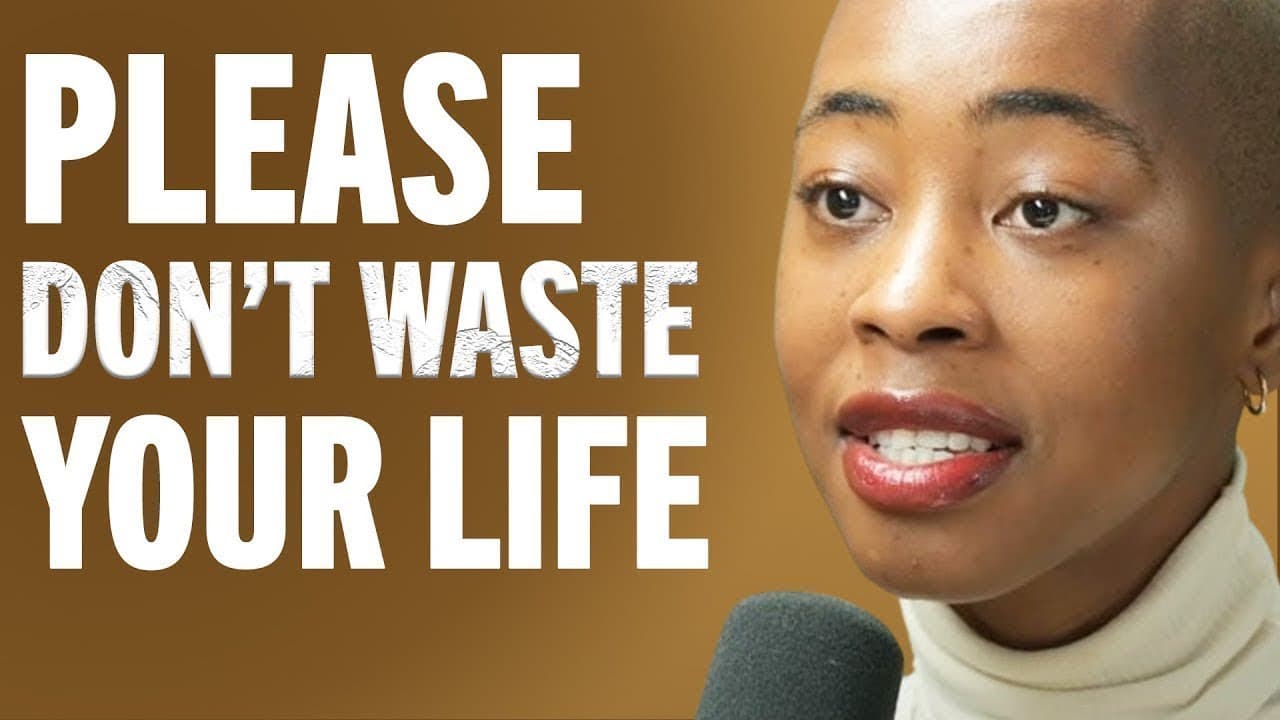
TL;DR
Self-censorship weakens self-trust when fear of rejection or punishment repeatedly overrides honest expression. Reclaiming an authentic life requires noticing where you betray your values, distinguishing fear-driven silence from thoughtful social filtering, and practising honest expression despite discomfort. Social media can amplify outrage and division, but it also reflects a deeper human difficulty with difference, contradiction, and uncertainty.
Transcript
I wanted to start off Africa talking about one of the most common regrets of the dying which is I wish I lived my life and not the life that other people expected of me if I think about your work your writings your new book to me it kind of speaks of this regret how does that land for you oh my entire body um is lit up in Goosebumps because you've ... Read More
Key Insights
- Self-censorship is the withholding of speech, ideas, or other forms of expression because a person believes that expressing them will bring punishment, rejection, cancellation, or social exile. It can affect clothing, behavior, and identity as well as spoken or written opinions.
- Repeated self-censorship is a form of self-betrayal because it involves agreeing with views you reject or hiding what feels true to preserve safety and belonging. Over time, these momentary compromises can weaken self-trust and move a person further away from authentic expression.
- A social filter is grounded discernment, not fearful repression. It involves reading the room, knowing the audience, understanding cultural or generational differences, choosing an appropriate time and place, and sometimes withholding criticism because another person first needs space, care, or understanding.
- The difference between self-censorship and tact is primarily the underlying motivation. Fear-driven silence aims to avoid a perceived personal cost, while tactful restraint reflects a considered judgment about context. Both may feel uncomfortable, but self-censorship can carry a stronger sense of violating personal integrity.
- Social rewards can reinforce dishonest agreement because people are often accepted for reflecting an approved worldview and punished for disagreement, uncertainty, or changing their minds. This environment can lead individuals beyond editing public speech to actively policing their own private thoughts.
- Social media is a mirror of existing human behavior as well as an amplifier of conflict. Algorithms may elevate outrage and confusion, but the deeper problem includes people's difficulty holding differences, conflicting views, uncertainty, and the contradictions present within themselves and others.
- Clear definitions are essential for productive disagreement because people may use the same term while referring to different concepts. Without a shared definition, participants can believe they are debating one issue even though their arguments address fundamentally different meanings and assumptions.
- Authentic expression develops through practice rather than a single neat conclusion. The process begins with awareness of where fear shapes silence, responsibility for one's values, and increasing willingness to speak honestly despite discomfort, while still using compassion and contextual judgment.
Install to Summarize YouTube Videos and Get Transcripts
Explore YouTube Video Summarizer or Get YouTube Transcript Extractor
Questions & Answers
Q: What is self-censorship in everyday life?
Self-censorship is withholding speech, ideas, or another form of personal expression because you believe expressing it will lead to punishment, rejection, cancellation, or social exile. It is not limited to words. A person might conceal preferred clothing, behavior, beliefs, confusion, or disagreement because family, colleagues, a community, or an online audience may impose a social cost.
Q: How does self-censorship damage self-trust?
Self-censorship damages self-trust when a person repeatedly denies what they believe, agrees with claims they privately reject, or hides meaningful parts of themselves to remain safe and accepted. Each decision may appear small, but the accumulated pattern creates self-betrayal. The person gradually becomes less willing to trust personal judgment and moves further from honest, authentic expression.
Q: What is the difference between self-censorship and tact?
Self-censorship is driven by fear of a personal cost, while tact is a grounded use of discernment. A tactful person reads the room, considers the audience, recognizes cultural or generational differences, and decides whether the moment is appropriate. Self-censorship instead suppresses a genuinely desired expression primarily to avoid rejection, punishment, exclusion, or another feared consequence.
Q: How can you tell whether silence is fear or discernment?
The distinction becomes clearer through repeated observation and practice. Fear-driven silence may feel like betrayal because you know you are abandoning honesty, violating your values, or pretending to agree simply to remain safe. Discernment may still involve discomfort, but the choice rests on context, timing, audience, compassion, or the recognition that another person currently needs space rather than criticism.
Q: Why do people self-censor without realizing it?
People may self-censor automatically because agreement can bring belonging and social approval, while disagreement, uncertainty, or a changed opinion can attract punishment. Repeated exposure to these incentives encourages people to edit themselves before speaking. Eventually, the pattern can extend beyond public communication into policing private thoughts, making fear-based restraint feel normal rather than like a deliberate choice.
Q: How does social media contribute to self-censorship?
Social media can reward users for reflecting majority or approved views and expose dissenters to criticism, exclusion, or cancellation. Its algorithms may also amplify outrage, confusion, and polarizing reactions. These pressures encourage excessive editing and silence. However, the platforms are not presented as the sole cause because they also reveal attitudes and interpersonal difficulties that already exist offline.
Q: Why is accepting contradiction important for honest expression?
Accepting contradiction matters because people can endorse one principle and later behave in a way that conflicts with it. When individuals refuse to recognize this inconsistency within themselves, they may become less able to tolerate it in others. Acknowledging that humans can hold conflicting views creates more room for uncertainty, changed opinions, mistakes, learning, and less punitive disagreement.
Q: How can someone begin overcoming self-censorship?
Overcoming self-censorship begins by noticing when fear, rather than considered judgment, determines what you say or conceal. The next steps are taking responsibility for personal values and practising honest expression even when it feels uncomfortable. The goal is not unfiltered speech in every situation, but truthful expression balanced with compassion, timing, audience awareness, and an appropriate social filter.
Summary & Key Takeaways
-
Africa Brooke defines self-censorship as withholding speech, ideas, or other forms of expression because you expect punishment, rejection, cancellation, or social exile. Repeatedly choosing safety through false agreement can create self-betrayal, weaken trust in your judgment, and move you progressively further from the person you genuinely understand yourself to be.
-
The conversation distinguishes self-censorship from a healthy social filter. Self-censorship is motivated by fear and conceals something you genuinely want to express. Social filtering is grounded in discernment, including understanding your audience, reading the room, respecting context, choosing appropriate timing, and recognizing when another person needs care rather than immediate criticism.
-
Social media rewards agreement and can amplify outrage, confusion, polarization, and punishment for dissent. However, Brooke argues that platforms also reveal existing human tendencies, including difficulty accepting disagreement and contradictory behavior. Honest expression therefore requires self-awareness, responsibility for personal values, compassion for mistakes, and repeated practice tolerating the discomfort of speaking truthfully.
Read in Other Languages (beta)
Share This Summary 📚
Summarize YouTube Videos and Get Video Transcripts with 1-Click
Try YouTube Summary with ChatGPT & Claude or YouTube Transcript Generator
Explore More Summaries from Dr Rangan Chatterjee 📚


Summarize YouTube Videos and Get Video Transcripts with 1-Click
Try YouTube Summary with ChatGPT & Claude or YouTube Transcript Generator