What Is Sleep Restriction Therapy and How Does It Work?
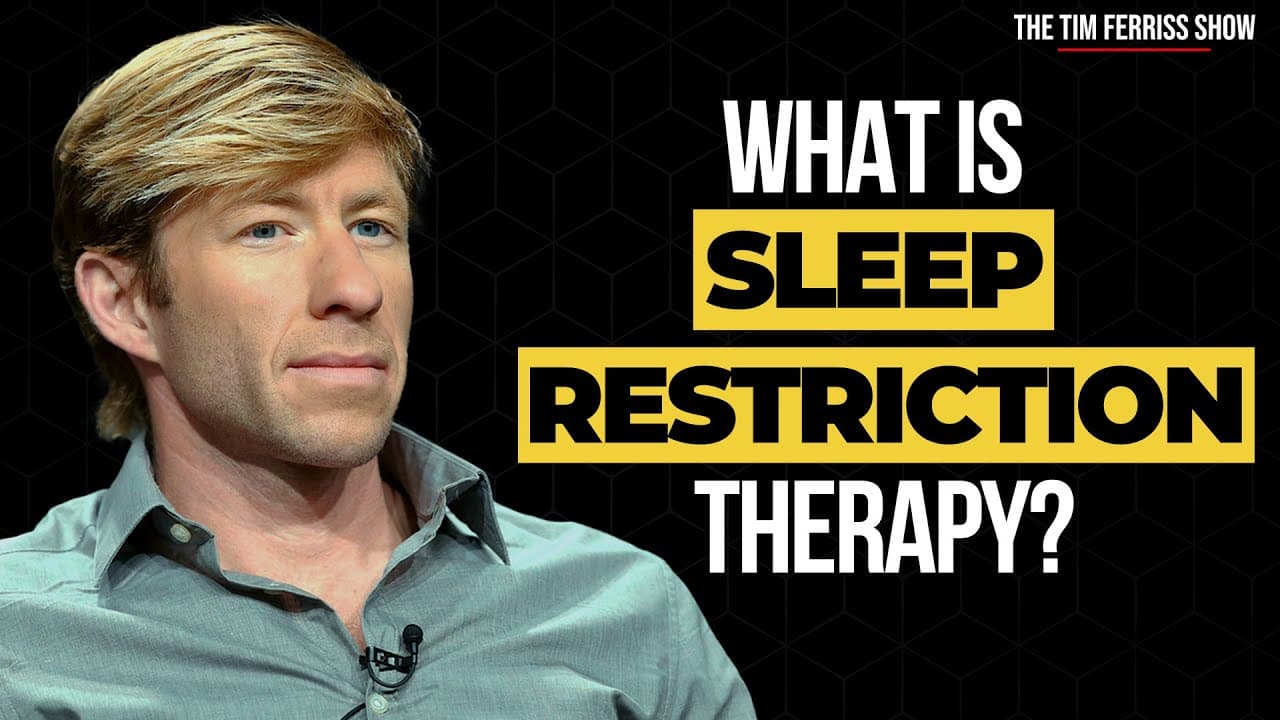
TL;DR
Sleep restriction therapy limits the amount of time spent in bed to improve sleep efficiency and reset the sleep system. By compressing sleep time, individuals can increase their accumulated sleep pressure, leading to better quality sleep and reduced insomnia-related anxiety. This approach empowers people to regain control over their sleep patterns.
Transcript
foreign I would love to talk about and this is something that I haven't discussed with you at any length the art of minimizing sleep time and this may tie into cbti which I really don't know that much about but I like a lot of people I think have made the error although it doesn't feel like an error of getting into bed and even if my sleep onset ta... Read More
Key Insights
- 😪 Sleep restriction therapy limits bedtime to improve sleep efficiency and reset the sleep system.
- 🧠 Compressing time spent in bed can retrain the brain and reduce insomnia-related anxiety.
- 😪 By controlling sleep through CBTI, individuals can regain confidence in their ability to sleep.
- ❓ CBTI focuses on cognitive and behavioral components to address insomnia effectively.
- 😪 Improving sleep efficiency is crucial for overall sleep quality and mental well-being.
- 😪 Restricting bedtime can lead to better sleep outcomes than traditional sleep advice.
- 😪 Sleep restriction therapy utilizes the body's natural sleep pressure to enhance sleep quality.
- 🎙️ More videos with Matthew Walker:
Install to Summarize YouTube Videos and Get Transcripts
Explore YouTube Video Summarizer or Get YouTube Transcript Extractor
Questions & Answers
Q: What is sleep restriction therapy and how does it help improve sleep?
Sleep restriction therapy limits the time spent in bed, forcing the individual to compress their bedtime to improve sleep efficiency and reset the sleep system. This can help retrain the brain and reduce insomnia-related anxiety.
Q: Why is sleep efficiency important, and how does it relate to sleep restriction therapy?
Sleep efficiency is crucial for overall sleep quality, with a healthy efficiency rate considered to be around 85% or higher. Sleep restriction therapy aims to increase this efficiency by limiting the time spent in bed and improving the quality of sleep.
Q: How does sleep restriction therapy differ from traditional sleep advice?
Sleep restriction therapy goes against conventional wisdom by restricting bedtime rather than extending it. This approach works by utilizing the body's natural sleep pressure to improve sleep quality and efficiency.
Q: How does sleep restriction therapy help individuals regain confidence in their ability to sleep?
By successfully implementing sleep restriction therapy, individuals can reset their sleep system, improve sleep efficiency, and regain control over their sleep. This can reduce anxiety related to insomnia and improve overall sleep quality.
Summary & Key Takeaways
-
Many people stay in bed for hours even if they struggle to fall asleep due to tiredness, a common issue for those with PTSD or an overly activated nervous system.
-
Cognitive Behavioral Therapy for Insomnia (CBTI) includes sleep restriction therapy, where bedtime is limited to improve sleep efficiency and reset the sleep system.
-
By compressing the time spent in bed, individuals can retrain their sleep system, regain confidence in their ability to sleep, and reduce insomnia-related anxiety.
Read in Other Languages (beta)
Share This Summary 📚
Summarize YouTube Videos and Get Video Transcripts with 1-Click
Try YouTube Summary with ChatGPT & Claude or YouTube Transcript Generator
Explore More Summaries from Tim Ferriss 📚






Summarize YouTube Videos and Get Video Transcripts with 1-Click
Try YouTube Summary with ChatGPT & Claude or YouTube Transcript Generator