How Does ICT Mentorship Month 04 Frame Liquidity, Trade Entries, and Exits?
TL;DR
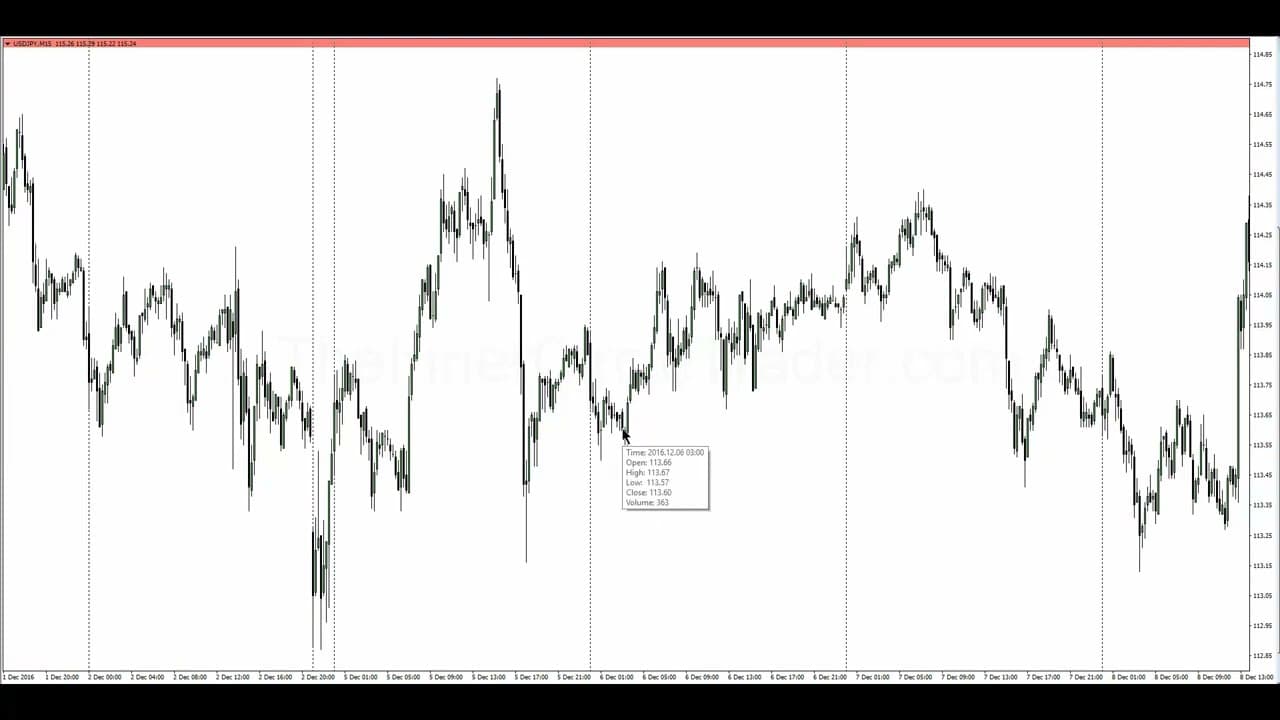
ICT frames trade entries at internal range liquidity and exits at external range liquidity, using the current range’s highs and lows to locate likely targets. Buy-side liquidity rests above the range high, while sell-side liquidity rests below the range low; fair value gaps, liquidity voids, and order blocks occur inside the range. Read on to understand gap risk, range redefinition, and low-resistance liquidity runs.
Transcript
okay folks welcome back this is module two of December 2016's teachings for the ICT mentorship we were talking about reinforcing liquidity Concepts and price delivery okay first on the menu today is going to be external range liquidity the current trading range will have buy side liquidity above the Range High the current trading range will have se... Read More
Key Insights
- External range liquidity sits outside the current trading range: buy side liquidity rests above the range high and sell side liquidity rests below the range low, where runs seek to pair orders with pending order liquidity pools.
- Internal range liquidity refers to unfilled areas inside the range, specifically liquidity voids and fair value gaps that tend to fill when the current trading range is likely to remain, and both carry gap risk.
- Gap risk is when the market quickly reprices to a level where there was very little or no trading; the market often reprices aggressively to close those ranges, which is what stops traders out but which the speaker treats as opportunity.
- Low resistance liquidity runs occur when price trades in sync with the higher time frame's agenda, so it moves through old highs with very little difficulty because it is reaching for a specific higher time frame level.
- The speaker's core method is buying inside the range at internal range liquidity and selling outside the range at external range liquidity once price breaks it, entering at internal and exiting at external.
- A bearish order block is the last up candle before a move lower; shorting there is a return to internal range liquidity, with the exit placed at external range liquidity below the low.
- Whether a move is external or internal range liquidity depends on which reference points define the range, so when new lows clear old lows the trader must redefine the high and low that frame the current range.
- Higher time frame institutional order flow frames where buy stops and liquidity sit, letting a trader classify each setup as a high resistance or low resistance liquidity run before entering.
Install to Summarize YouTube Videos and Get Transcripts
Explore YouTube Video Summarizer or Get YouTube Transcript Extractor
Questions & Answers
Q: How does ICT frame trade entries and exits using liquidity?
ICT distinguishes liquidity inside the current trading range from liquidity beyond its boundaries. Internal range features such as fair value gaps, liquidity voids, and order blocks can frame entries, while external liquidity above the high or below the low can frame exits and targets.
Q: What is external range liquidity in ICT trading?
External range liquidity rests outside the current trading range. Buy-side liquidity is above the range high, and sell-side liquidity is below the range low, where pending orders form liquidity pools.
Q: What is internal range liquidity?
Internal range liquidity consists of liquidity features within the current range. The lesson identifies liquidity voids, fair value gaps, and order blocks as internal features and says market maker buy and sell models form inside trading ranges.
Q: What is gap risk in ICT trading?
Gap risk occurs when the market quickly reprices into a level where there was little or no trading. A range represented by one long candle can act as a gap, and the market may reprice aggressively to close it, potentially stopping out a trader.
Q: What makes an external liquidity run low resistance or high resistance?
External range liquidity runs can occur under either low-resistance or high-resistance conditions. ICT advises seeking low-resistance trades so there is no resistance in the path of profitability.
Q: How are fair value gaps and liquidity voids used within a trading range?
When the current trading range is likely to remain, the lesson says liquidity voids and fair value gaps may fill. Both are associated with gap risk and can identify internal range liquidity that price may revisit.
Q: Why must traders redefine the current trading range?
The relevant range changes after price clears an old boundary and establishes a new low or high. A liquidity level can be internal relative to one high-low pairing but external relative to another, so the active reference points must be updated.
Q: How does the Japanese Yen example apply internal and external range liquidity?
The lesson begins with a monthly Japanese Yen chart and then moves toward lower time frames. After price clears equal lows, the new low and existing high define the active range, and a move upward targets internal liquidity such as a fair value gap within that range.
Summary & Key Takeaways
-
This module reinforces liquidity concepts and price delivery. External range liquidity holds buy side liquidity above the range high and sell side liquidity below the range low. Runs on liquidity seek to pair orders with pending order liquidity pools, and can be either low resistance or high resistance in nature.
-
Internal range liquidity involves liquidity voids and fair value gaps that fill when the trading range is likely to remain, both carrying gap risk from rapid repricing into thinly traded levels. Order blocks inside the range get populated with new buys and sells, and market maker buy and sell models form within trading ranges.
-
Using a monthly Japanese Yen chart stepped down through weekly, daily, and four hour time frames, the speaker frames entries at internal range liquidity and exits at external range liquidity. Trading in sync with the monthly direction produces low resistance runs, so price clears old highs easily while reaching for a monthly fair value gap.
Read in Other Languages (beta)
Share This Summary 📚
Summarize YouTube Videos and Get Video Transcripts with 1-Click
Try YouTube Summary with ChatGPT & Claude or YouTube Transcript Generator
Explore More Summaries from The Inner Circle Trader 📚


Summarize YouTube Videos and Get Video Transcripts with 1-Click
Try YouTube Summary with ChatGPT & Claude or YouTube Transcript Generator