What Role Does Luck Play in Success and Justice?
TL;DR
Luck significantly shapes success and fairness in society, particularly in college admissions and career opportunities. The speaker suggests that using a lottery system for admissions could create a fairer process, revealing the inherent injustices of the current system. Acknowledging luck's role encourages us to support those who are equally deserving but less fortunate.
Transcript
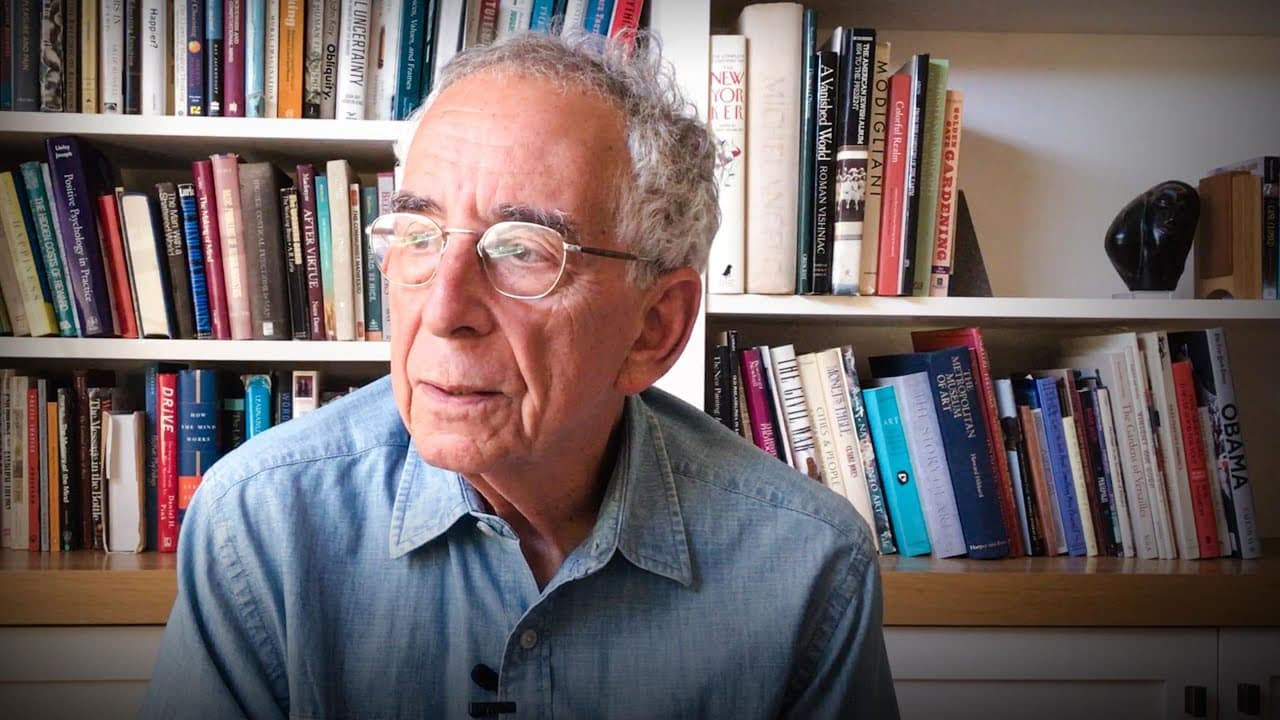
Hello, everybody. I'm honored to be here to talk to you, and what I'm going to talk about today is luck and justice and the relation between them. Some years ago, a former student of mine called me to talk about his daughter. It turns out his daughter was a high school senior, was seriously interested in applying to Swarthmore, where I taught, and ... Read More
Key Insights
- 🎓 College admissions: There are not enough spots in top schools and institutions for all qualified applicants, leading to intense competition and anxiety among high school students.
- 🎲 Proposal for lottery-based admissions: The speaker suggests that college admissions, job offers, and even invitations to events like TED talks should be determined by lottery to eliminate biases and create a fairer system.
- 🔒 Injustice and fairness: The current system of raising standards in the name of fairness violates people's sense of justice, as not everyone gets what they deserve. Luck plays a significant role in determining outcomes.
- 😔 Epidemic of anxiety and depression: The hypercompetitive college admissions process contributes to a widespread mental health crisis among teenagers, leading to increased rates of anxiety and depression.
- 🍀 The role of luck: The speaker acknowledges that luck has played a significant role in their personal success, highlighting the importance of recognizing the role of good fortune in our lives.
- ⚖️ Responsibilities to the less lucky: Society should consider how to support those who struggle and are less fortunate, especially during times of crises such as the pandemic. The concept of a "veil of ignorance" is introduced, advocating for a more equal society.
- 💪 Taking action: The speaker urges successful individuals to use their positions of privilege and influence to support and take care of those who are just as deserving but less lucky.
- 👥 Community focus: Encouragement is given to give back to communities and create a more equitable society, ensuring that everyone has the opportunity to live meaningful and satisfying lives.
- 🎙️ More videos with Barry Schwartz:
Install to Summarize YouTube Videos and Get Transcripts
Explore YouTube Video Summarizer or Get YouTube Transcript Extractor
Questions & Answers
Q: What is the speaker's opinion on the current college admissions process?
The speaker believes that the current college admissions process is unfair and results in a detrimental competition among high school students.
Q: What does the speaker propose as a solution to the problem of unfair college admissions?
The speaker suggests implementing a lottery system for college admissions, where qualified applicants are chosen at random. However, he acknowledges that this would not completely eliminate the injustice but would be a more honest approach.
Q: Why does the speaker think that the proposal of a lottery system for college admissions is not being seriously discussed?
The speaker believes that people dislike the idea that important things in life, such as college admissions, may depend on luck or chance. The concept of luck challenges the notion of control and can be unsettling for individuals.
Q: How does the speaker view the role of luck in his own life?
The speaker acknowledges that luck has played a significant role in his life. From meeting his wife to choosing his career path and even being invited to speak at TED, he recognizes that many important events have been a result of fortunate circumstances.
Q: Does the speaker believe that society is just and that people get what they deserve?
No, the speaker believes that society is not just and that hard work and adhering to societal rules do not guarantee success. He emphasizes the role of luck and highlights that many deserving individuals may not experience the same level of success as others.
Q: What responsibilities does the speaker believe we have towards those who are less lucky than ourselves?
The speaker suggests that those who are fortunate and successful have a responsibility to support and take care of those who are less lucky. He questions the obligations we have towards individuals who struggle and emphasizes the importance of creating a more equal society.
Q: What concept does the speaker introduce from John Rawls' book "A Theory of Justice"?
The speaker introduces the concept of the "veil of ignorance" as proposed by John Rawls. This concept prompts individuals to consider what kind of society they would want to create if they did not know their social position, with the aim of creating a more equal and just society.
Q: What is the speaker's call to action for successful individuals in their communities?
The speaker urges successful individuals to recognize the importance of luck in their own lives and to take action in supporting and taking care of those who are equally deserving but less fortunate. He emphasizes the need to honor and assist individuals who may not have had the same luck or opportunities.
Summary & Key Takeaways
-
The speaker discusses the relation between luck and justice, particularly in college admissions and society as a whole.
-
They propose that college admissions and other important decisions should be made through a lottery system to address the unfairness.
-
The speaker emphasizes the role of luck in their own life and argues for the importance of taking care of and supporting those who are less lucky but equally deserving of success.
Read in Other Languages (beta)
Share This Summary 📚
Summarize YouTube Videos and Get Video Transcripts with 1-Click
Try YouTube Summary with ChatGPT & Claude or YouTube Transcript Generator
Explore More Summaries from TED 📚

Summarize YouTube Videos and Get Video Transcripts with 1-Click
Try YouTube Summary with ChatGPT & Claude or YouTube Transcript Generator