How Is a Clinical Intake Interview Conducted? Clinical Interviewing Role Play, Part 2
TL;DR
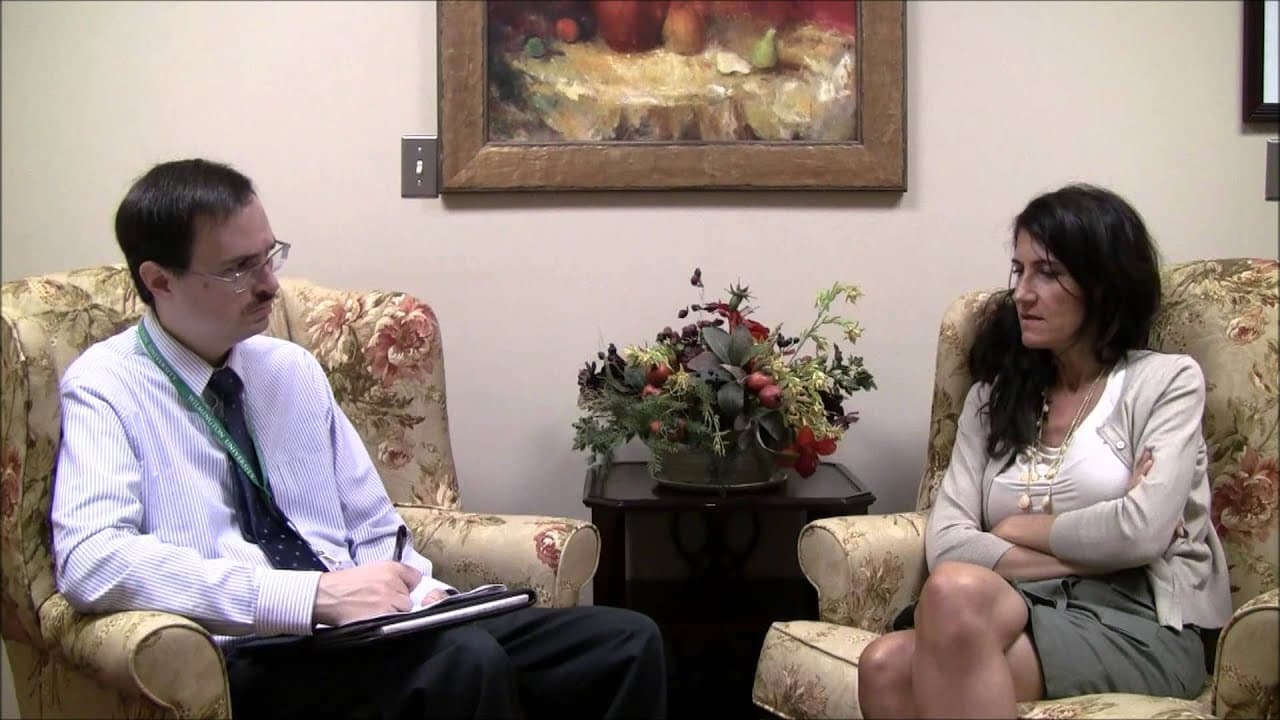
A clinical intake interview can explore developmental history, family dynamics, relationships, parenting, and spirituality while adapting questions to the individual client. In this Part 2 role-play, Dr. Todd Grande asks about childhood discipline, marriage, previous relationships, and the client’s two children, while noting that agency requirements may differ. Read on for specific questions and transitions demonstrated in the interview.
Transcript
hello my name is Dr Todd Grande welcome to part two in my series on clinical interviewing uh this is a roleplay exercise I'm here with n Kelly a graduate assistant here at wington University and she will be role playing uh the same character and uh in part two and all the parts of these videos so I want to remind you that uh this is just for educat... Read More
Key Insights
- Clinical interviewing is a structured process for gathering client information.
- Understanding a client's developmental history is crucial for effective assessment.
- Family dynamics can significantly impact a client's current behavior and emotional state.
- Exploring a client's relationship history provides context for their interpersonal interactions.
- Tailoring interview questions to the individual client is essential for accurate data collection.
- Ethical considerations must guide the clinical interviewing process.
- Role-playing can be a valuable tool for practicing and refining interviewing skills.
- Maintaining a non-judgmental stance helps clients feel comfortable sharing personal information.
Install to Summarize YouTube Videos and Get Transcripts
Explore YouTube Video Summarizer or Get YouTube Transcript Extractor
Questions & Answers
Q: How do you conduct a clinical intake interview role-play?
Begin by identifying the areas to explore and explain transitions when changing topics. In this role-play, Dr. Todd Grande moves through developmental history, relationship history, and parental history while reminding viewers that elements may need to be added or removed for an ethical and appropriate interview.
Q: What developmental-history questions are asked in the clinical interview?
The interviewer asks where the client was born and raised, whether she speaks languages other than English, and who raised her. He also asks what life was like growing up, when the family dynamic changed, when she moved out, and how she was disciplined.
Q: How does the interviewer explore childhood discipline?
Dr. Grande asks how the client was disciplined when she was young and separately asks about her father’s role. The client describes yelling, being struck in the face, and having her hair pulled by her mother, while her father remained quiet and did not participate in discipline.
Q: How are family dynamics explored in the role-play?
The interviewer invites the client to describe her childhood and asks whether the family dynamic changed. The client discusses growing up with two sisters and both biological parents, her mother’s anger toward her, and her belief that she received more punishment than her sisters.
Q: How does the clinical interview transition to relationship history?
The interviewer explicitly says he is switching gears before beginning relationship questions. He asks whether the client was married previously, her sexual orientation, her age at marriage, how she describes the marriage, and whether her spouse supports counseling.
Q: What does the role-play reveal about the client’s marriage?
The client married at age 27 and has been married for 15 years. She describes the marriage as happy, says her husband is concerned during her sad periods, and confirms that he supports counseling and would be willing to attend a session if appropriate.
Q: What questions are asked about previous romantic relationships?
Dr. Grande asks the client to describe relationships she had before marriage. She reports a serious boyfriend in graduate school, dating a couple of men in college, and having one boyfriend through high school before they separated when they left for college.
Q: How is parental history assessed in the interview?
The interviewer asks whether the client has children, their ages, where they live, and how often she sees them. The client reports having a 12-year-old son and a 10-year-old daughter who live with her and her husband, and she sees them every day.
Summary & Key Takeaways
-
The video demonstrates a clinical interview role-play focusing on gathering information about a client's childhood, family dynamics, and relationship history. Effective interviewing requires understanding the client's developmental background and tailoring questions to their unique circumstances. Maintaining ethical standards and a non-judgmental approach is crucial for building trust and obtaining accurate information.
-
Key aspects of clinical interviewing include exploring the client's developmental history, relationship dynamics, and personal experiences. The role-play emphasizes the importance of adapting the interview process to the client's individual needs while ensuring ethical considerations are met. Practicing through role-play can enhance interviewing skills and improve client outcomes.
-
Role-playing in clinical interviewing helps practitioners develop and refine their skills in gathering comprehensive information about clients. The video highlights the importance of understanding family dynamics, relationship history, and personal experiences in assessing client needs. Ethical interviewing practices and a tailored approach are essential for effective client engagement and assessment.
Read in Other Languages (beta)
Share This Summary 📚
Summarize YouTube Videos and Get Video Transcripts with 1-Click
Try YouTube Summary with ChatGPT & Claude or YouTube Transcript Generator
Explore More Summaries from Dr. Todd Grande 📚






Summarize YouTube Videos and Get Video Transcripts with 1-Click
Try YouTube Summary with ChatGPT & Claude or YouTube Transcript Generator