Why I Have Lived Like an Animal for 13 Years
TL;DR
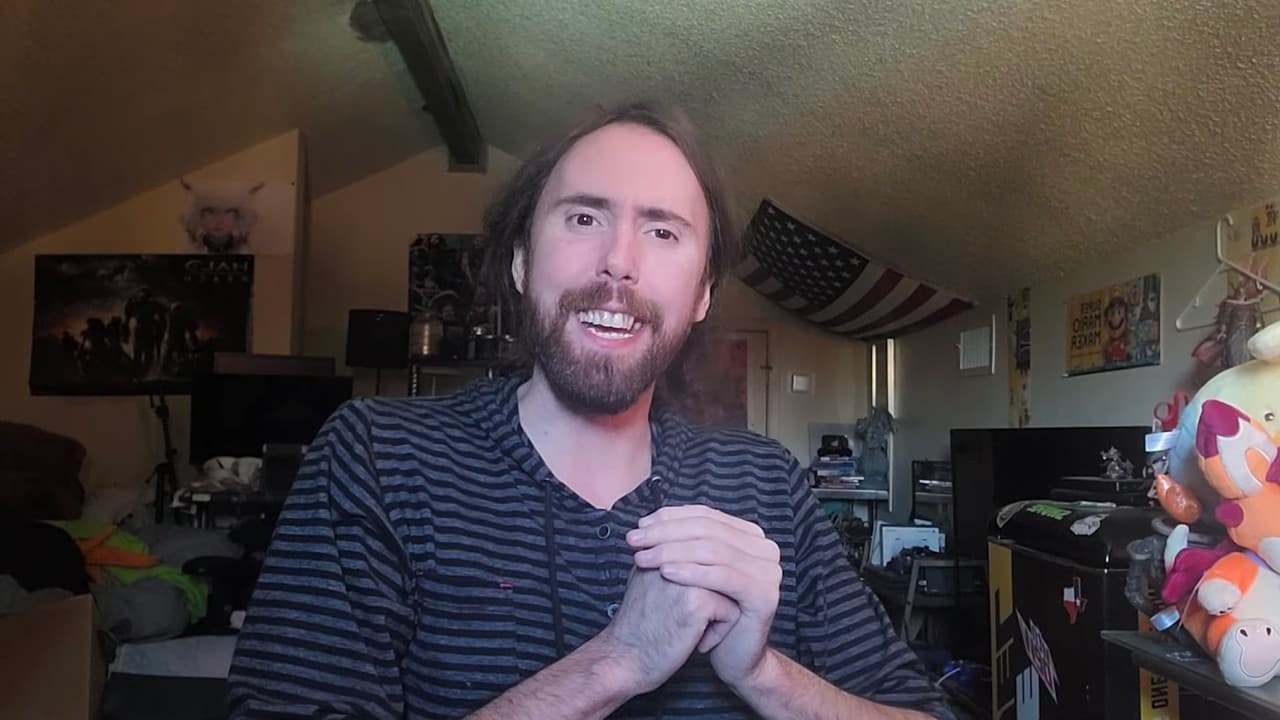
The speaker explains that their degenerate lifestyle began in adolescence as a reaction to feeling different and to a lack of belonging. They describe how they learned to perform socially rather than act instinctively, leading to a detached view of social norms and ongoing behavior that they now reflect on as a chosen path rather than a misstep. The explanation ties early experiences, family dynamics, and personal choices together to explain this long period of behavior.
Transcript
hey guys it's me and today I want to answer a question that a lot of people have been asking me my whole life and more importantly they've been asking me a lot recently especially online and that question comes in many forms but it all is distilled down to the same thing which is in one form or another why are you like this whether it's the dead ra... Read More
Key Insights
- The speaker is a self described person who believes their moral compass does not Point North, influencing how they interact with others.
- The change in behavior began during high school and intensified in the early 20s, described as a phase two that expanded the degenerate lifestyle.
- A core idea is that most actions are learned performances rather than innate reactions, shaping social interactions and self perception.
- The speaker recalls childhood experiences, including extreme reactions to perceived social pressure and a memory of harming a peer, illustrating a troubled start to social adaptation.
- Financial stress and family dynamics, such as a mother’s income volatility and leftover child support, are presented as background conditions that influenced life choices.
- The speaker emphasizes a sense of not belonging and a deliberate drift away from wanting normal relationships or family life.
- There is a theme of mask and authenticity, with efforts to hide true feelings behind constructed behavior and social appearances.
- The overall narrative positions the degenerate lifestyle as a defended stance rather than a mistake, framed by personal history and inner dissonance.
Install to Summarize YouTube Videos and Get Transcripts
Explore YouTube Video Summarizer or Get YouTube Transcript Extractor
Questions & Answers
Q: What is the main reason the speaker gives for adopting a degenerate lifestyle.
The speaker argues that their lifestyle arose from a deep sense of being different and not fitting in, which led them to distrust social norms and to perform a social role rather than act from innate behavior. They describe learning to hide true feelings and presenting a different persona to fit in or cope, especially during adolescence and early adulthood.
Q: How does the speaker describe their early social development and relation to others.
The speaker portrays a conflicted social development where, despite having friends, they felt different from others due to an off center moral compass and difficulty relating. They discuss an upbringing that included exposure to religious material and a struggle to understand how to behave, which contributed to a tendency to mask emotions and adopt a performative approach to interactions.
Q: What event in childhood does the speaker recount to illustrate their early detachment from normal social responses.
The speaker recalls a moment in which they harmed a peer by intentionally aiming a baseball at their face, which caused visible injury and discomfort among onlookers. This incident is used to illustrate a turning point where they recognized that their reactions were not aligned with others' expectations and began masking true feelings.
Q: What role does family finance play in the speaker’s narrative about their lifestyle?
The speaker explains that financial instability, including periods of poverty and reliance on child support, created ongoing stress and shaped the environment in which their attitudes and behaviors developed. This context is presented as part of the backdrop that influenced decisions and the perception that normal life was unattainable.
Q: At what life stages does the speaker say the behavior intensified or changed direction?
The speaker notes a progressive intensification around high school and then a further shift in the early twenties during a phase they describe as phase two. These periods are identified as turning points where degenerate behavior became more pronounced and continue to date back to those formative years.
Q: How does the speaker view the concept of morality in relation to their actions?
The speaker suggests that their moral compass does exist but does not point North, leading to actions that may diverge from conventional judgments of good or bad. This perspective supports a belief that they operate under a personal, non normative framework which rationalizes certain actions as part of their identity rather than moral failings.
Q: What personal coping mechanism is described for managing social perception and expectations?
A key coping mechanism described is the construction of an actor like performance, a deliberate presentation to others that masks true feelings and aligns with what the speaker believes is acceptable or expected. This performative aspect is presented as a long standing strategy to navigate social landscapes without relying on natural instinct.
Q: What is the speaker hoping to convey about living this way and the reaction of others?
The speaker aims to convey that living like an animal for many years is not a mere anomaly but a chosen path rooted in personal history, cognitive dissonance, and adaptive strategies. They acknowledge the reactions of others as evidence of their divergence from normative expectations, while asserting a sense of ownership over their lived experience.
Summary & Key Takeaways
-
The speaker details a long term shift from a conscientious child to a degenerate lifestyle starting in high school as a response to feeling different and not fitting in.
-
They discuss learning to perform socially rather than acting from instinct, leading to a disconnect from societal expectations.
-
The narrative weaves personal history, family financial stress, and self perception into a cohesive explanation for living like an animal for many years.
Read in Other Languages (beta)
Share This Summary 📚
Summarize YouTube Videos and Get Video Transcripts with 1-Click
Try YouTube Summary with ChatGPT & Claude or YouTube Transcript Generator
Explore More Summaries from Asmongold TV 📚






Summarize YouTube Videos and Get Video Transcripts with 1-Click
Try YouTube Summary with ChatGPT & Claude or YouTube Transcript Generator