What Happens If You Stop Sleeping Completely?
TL;DR
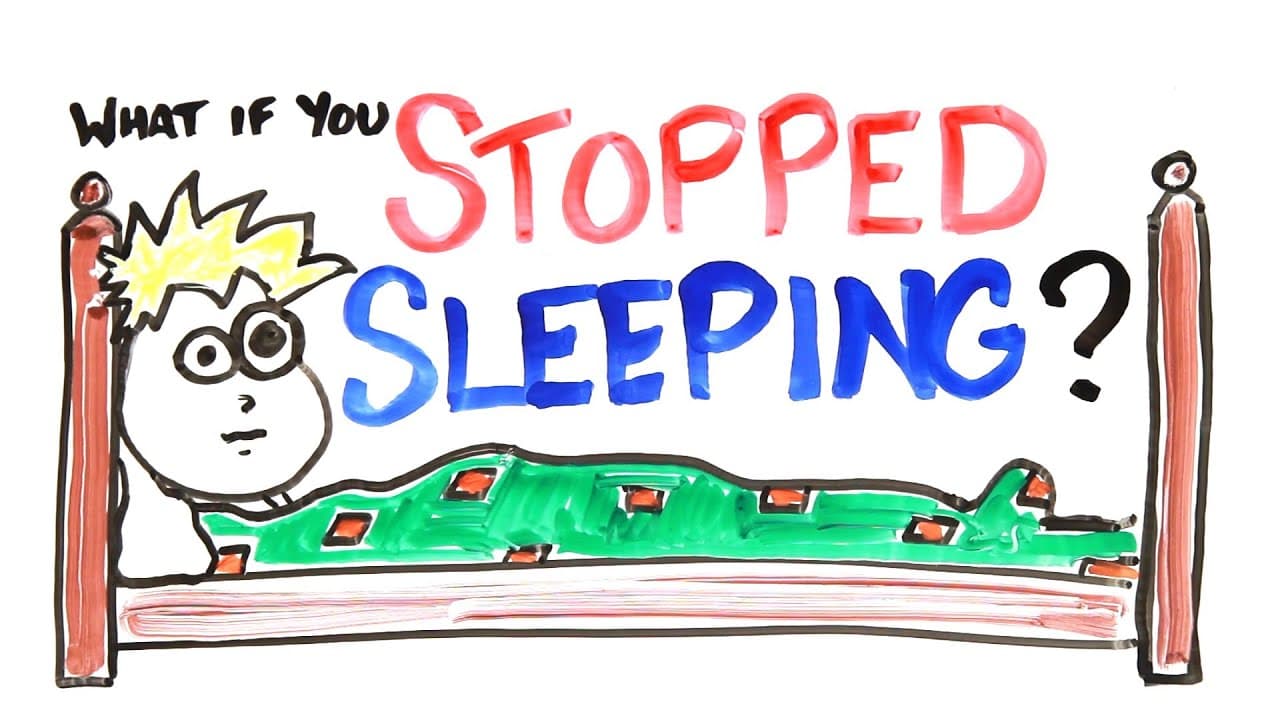
Stopping sleep leads to immediate energy boosts but results in impaired decision-making and cognitive function over time. Chronic sleep deprivation can cause significant health issues, including obesity, decreased immune function, and alterations in perceived beauty. The long-term consequences remain uncertain, with limited studies highlighting potential risks.
Transcript
Ahhh... sleep! You can never have enough of it, it seems... In fact, sometimes it literally feels like you aren't getting enough, but what if you stopped sleeping all together? Strangely, science understands relatively little about why we sleep or how it evolved in the first place. After all, laying unconscious and dormant for hours on end, while p... Read More
Key Insights
- 😪 Sleeping between 6 to 8 hours a night is associated with increased longevity.
- 😪 Excessive sleep can lead to medical problems, including cardiovascular disease and diabetes.
- 😪 Sleep deprivation impairs cognitive abilities, reaction times, and decision-making.
- 😪 Lack of sleep affects perceived attractiveness and overall health.
- 😪 The long-term effects of sleep deprivation on humans are still not fully understood.
- 🥺 The brain's reward system becomes stimulated after a sleepless night, leading to temporary benefits.
- 😪 Chronic sleep deprivation can impair glucose metabolism and weaken the immune system.
Install to Summarize YouTube Videos and Get Transcripts
Explore YouTube Video Summarizer or Get YouTube Transcript Extractor
Questions & Answers
Q: How does sleep deprivation affect our health?
Sleep deprivation has been linked to cardiovascular disease, diabetes, obesity, depression, and even brain damage. It can impair glucose metabolism and weaken the immune system.
Q: Can lack of sleep have short-term benefits?
After a sleepless night, the brain's reward system becomes stimulated, leading to increased energy, motivation, positivity, and even sex drive. However, these short-term benefits are outweighed by the negative consequences.
Q: What is the longest recorded period of sleep deprivation in humans?
The longest scientifically documented case was 264 hours or 11 days. Although the individual experienced problems with concentration and irritability, no serious long-term health effects were observed.
Q: Can sleep deprivation be fatal?
While limited studies exist, sleep deprivation experiments on rats suggest that prolonged lack of sleep can lead to death. Fatal familial insomnia, a rare genetic disease causing worsening insomnia, hallucinations, and organ failure, also highlights the negative effects of sleep deprivation.
Summary & Key Takeaways
-
Sleep deprivation can lead to medical problems such as cardiovascular disease, diabetes, and obesity.
-
Lack of sleep affects brain function, leading to impulsive behavior, slower reaction times, and reduced cognitive abilities.
-
Sleep-deprived individuals are perceived as less healthy and attractive compared to when they are well-rested.
Read in Other Languages (beta)
Share This Summary 📚
Summarize YouTube Videos and Get Video Transcripts with 1-Click
Try YouTube Summary with ChatGPT & Claude or YouTube Transcript Generator
Explore More Summaries from AsapSCIENCE 📚




Summarize YouTube Videos and Get Video Transcripts with 1-Click
Try YouTube Summary with ChatGPT & Claude or YouTube Transcript Generator