How to Bootstrap a SaaS From $0 to $10M ARR With No Money
TL;DR
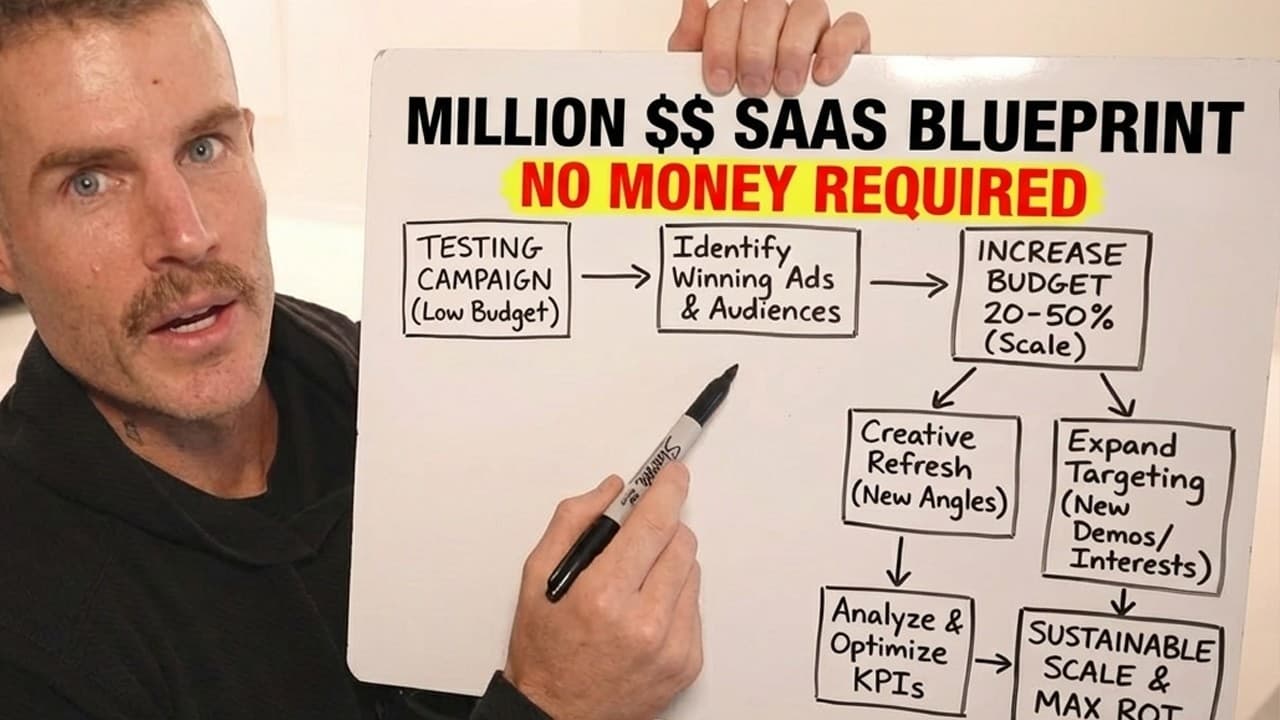
Bootstrap a SaaS with no money by first selling its intended result as a high-ticket, done-for-you service, collecting payment upfront, and using that revenue to build the product gradually. Deliver the early workflow manually or with tools such as spreadsheets, N8N, or Google Gemini agents, then automate what paying customers prove they need. Read on for the practical steps from validating demand to creating a self-service product.
Transcript
Bootstrapping SAS companies. This video is going to show you how to do it. Bootstrapping is going and starting a SAS software or tech company without raising any money and getting it to cash flow as fast as possible and also building it as cheap as possible so that you get to the point where you're making money and you can keep all the equity for y... Read More
Key Insights
- Bootstrapping is the process of building a software or technology company without raising outside money, reaching positive cash flow quickly, and using operating revenue to fund growth while retaining ownership equity.
- The first offer is a service that uses software as a tool, not a fully self-service SaaS product. The founder places customers into the system, operates it for them, and sells the resulting business outcome.
- Customer revenue can arrive before full product development begins. Manual work, spreadsheets, existing workflows, N8N, Google Gemini agents, or a customer-specific coded solution can test whether buyers will pay and continue paying for the result.
- One-to-one selling supports higher close rates because the founder can listen to customers, customize the offer, explain the expected outcome, and address the limitations of an early product through direct assistance.
- An early SaaS product is likely to be difficult to use, incomplete, unintuitive, and prone to breaking. A white-glove service protects the customer experience while revealing which features and onboarding improvements the eventual product requires.
- High-ticket annual billing creates upfront cash that can finance development. A product priced at $300 per month could potentially be sold as an annual package when it includes complete setup and a done-for-you service focused on achieving results.
- The central purchasing motivation is the result, not the existence of software. A founder should validate that the service produces a valuable outcome and retains paying customers before investing heavily in a complete automated application.
- The transition to SaaS is gradual: revenue funds automation, product refinement, and onboarding improvements until customers can sign up independently or complete a deeper setup process with customer success and developer support.
Install to Summarize YouTube Videos and Get Transcripts
Explore YouTube Video Summarizer or Get YouTube Transcript Extractor
Questions & Answers
Q: How can you bootstrap a SaaS business with no money?
Start as an agency or service company that uses the proposed SaaS as an internal tool. Sell the customer’s desired result one-to-one, deliver it manually or with inexpensive existing tools, and collect high-ticket payments upfront. Reinvest that revenue into automating the workflow and developing the SaaS.
Q: Why should a bootstrapped SaaS start as a service?
A service can generate cash flow before a polished application exists. Running the workflow for customers also shields them from an early product that may be difficult to use, incomplete, unintuitive, or prone to breaking. Their feedback reveals what the eventual software and onboarding process need.
Q: How can a founder validate a SaaS idea before building the product?
Manually perform the work that the proposed software would eventually automate and sell the resulting outcome. Spreadsheets, existing workflows, N8N, Google Gemini agents, or a customer-specific coded solution can support delivery. Customers who buy and continue paying provide evidence that the result is valuable.
Q: What should an early SaaS company sell?
Sell the business result the customer wants rather than emphasizing the unfinished software. Package the offer as a done-for-you service with setup, customization, and direct assistance. The software can initially remain a tool the founder operates behind the scenes.
Q: Why use one-to-one sales when starting a SaaS?
One-to-one conversations let the founder understand each prospect’s needs, tailor the offer, and explain the expected outcome directly. This approach can support a higher ratio of closes and high-ticket pricing. Personal assistance also compensates for software that cannot yet onboard or serve users reliably on its own.
Q: Why charge early SaaS customers annually upfront?
Annual upfront billing brings cash into the business before a full year of service has been delivered. That money can finance operations, automation, and product development without outside funding. White-glove setup and a valuable, measurable result make the annual package more compelling.
Q: How should customer revenue be used to develop the SaaS?
Reinvest customer revenue into automating repeated manual work, improving reliability, adding demonstrated needs, and refining onboarding. Customer interactions should guide which features are built. The product should gradually require less direct founder involvement.
Q: When is a service ready to become a self-service SaaS?
The transition should happen gradually after paying customers validate the result and reveal the required features and onboarding steps. Continue automating until customers can sign up and operate with less direct assistance. Products requiring deeper implementation can instead use a structured setup supported by customer success and development staff.
Summary & Key Takeaways
-
Begin as a service company that uses software as an internal tool. Sell the desired business result through direct, one-to-one outreach, then manually operate the workflow for each customer. This approach can generate revenue before a polished application exists and prevents substantial spending on a product that customers may not buy or retain.
-
A high-ticket, white-glove offer supports early cash flow because customers receive setup, customization, and direct assistance rather than an unfinished self-service product. Annual upfront billing provides capital that can fund development. A results guarantee can also make the offer more compelling when the delivered financial value is clear and consistently measurable.
-
Convert the service into SaaS gradually. Use customer interactions to identify missing features, usability problems, onboarding requirements, and the result clients actually value. Reinvest revenue into automation and product improvements until customers can sign up and operate with less founder involvement, or complete a structured setup with customer success and development support.
Read in Other Languages (beta)
Share This Summary 📚
Summarize YouTube Videos and Get Video Transcripts with 1-Click
Try YouTube Summary with ChatGPT & Claude or YouTube Transcript Generator
Explore More Summaries from Alex Becker Business 📚
Summarize YouTube Videos and Get Video Transcripts with 1-Click
Try YouTube Summary with ChatGPT & Claude or YouTube Transcript Generator