How to Become an Astrophysicist: Steps and Insights
TL;DR
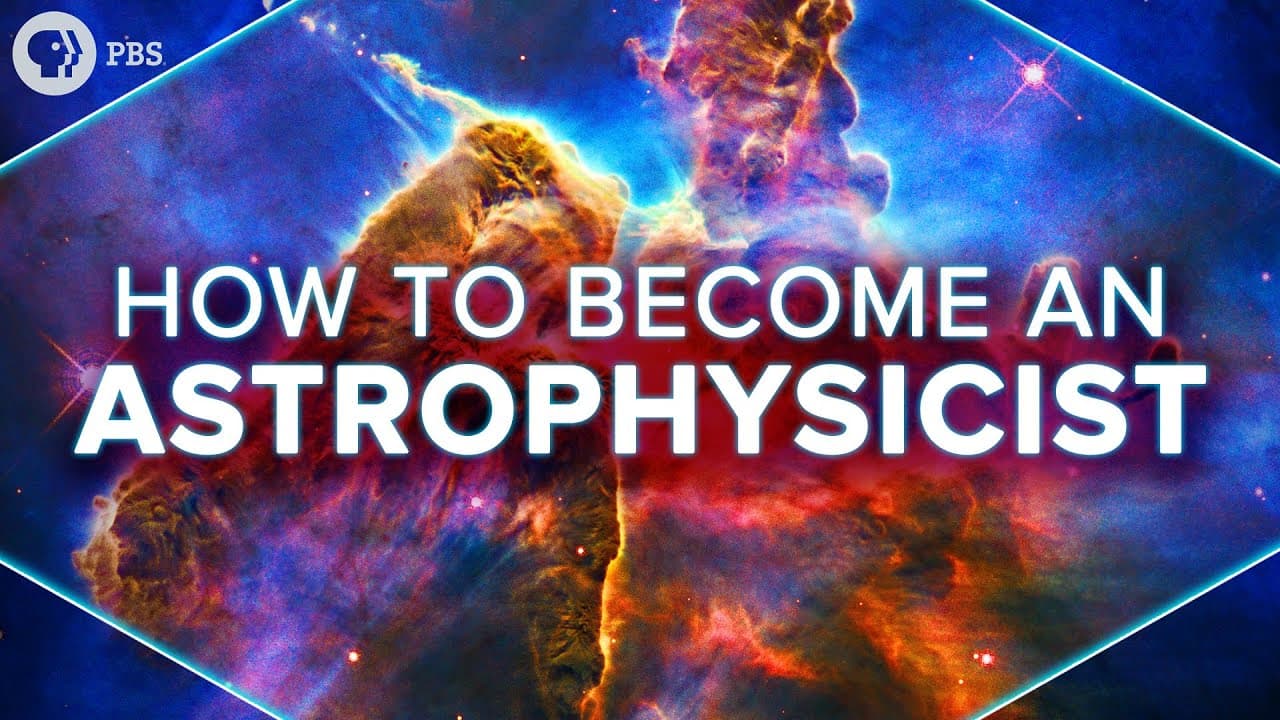
To become an astrophysicist, obtaining a PhD is essential, as it's nearly a requirement for a career in the field. Aspiring astrophysicists should focus on building a strong foundation in mathematics and physics, gain research experience, and find a mentor during their undergraduate studies. The journey is competitive and often involves managing challenges like impostor syndrome and frequent relocations.
Transcript
Want to become an astrophysicist, hopefully this video will seal the deal either that you definitely should or definitely should not Today's episode is a bit different. I'm going to tell you how to become an astrophysicist I have a slightly unique perspective on this not because I did it myself but because I spent the past several years Sitting on ... Read More
Key Insights
- The journey to becoming an astrophysicist involves obtaining a PhD, which is almost non-negotiable for a career in the field.
- A strong foundation in mathematics and physics during undergraduate studies is crucial for admission into a PhD program.
- Graduate admissions committees prioritize candidates with high grades and research experience, which also helps in determining one's interest in the field.
- Finding a mentor during undergraduate studies can provide valuable guidance and support throughout the academic journey.
- The path to a permanent astrophysics position is competitive, with more postdoc positions available than permanent roles.
- Astrophysicists often face challenges such as impostor syndrome and the need to relocate frequently for career opportunities.
- A career in astrophysics requires a passion for science and the willingness to endure challenges for the sake of discovery.
- The video includes a challenge question related to cosmic inflation, encouraging viewers to engage with the scientific content.
Install to Summarize YouTube Videos and Get Transcripts
Explore YouTube Video Summarizer or Get YouTube Transcript Extractor
Questions & Answers
Q: What is the first step in becoming an astrophysicist?
The first step in becoming an astrophysicist is to obtain a strong foundation in mathematics and physics during undergraduate studies. This involves taking numerous courses in these subjects to build the necessary knowledge base required for further studies in astrophysics.
Q: Why is obtaining a PhD important for a career in astrophysics?
Obtaining a PhD is crucial for a career in astrophysics because it provides the advanced knowledge and research skills needed to contribute significantly to the field. Most positions in astrophysics, whether in academia, research institutions, or industry, require a PhD as a minimum qualification.
Q: What challenges do aspiring astrophysicists face in their career path?
Aspiring astrophysicists face several challenges, including a highly competitive job market, the need to relocate frequently for career opportunities, and the experience of impostor syndrome. Additionally, they must be prepared for a long academic journey and the uncertainty of securing a permanent position.
Q: How can undergraduate students improve their chances of admission to a PhD program in astrophysics?
Undergraduate students can improve their chances of admission to a PhD program in astrophysics by achieving high grades, gaining research experience, and securing strong letters of recommendation. Participating in research projects and REU programs can provide valuable experience and enhance their applications.
Q: What role does mentorship play in the journey to becoming an astrophysicist?
Mentorship plays a crucial role in the journey to becoming an astrophysicist by providing guidance, support, and advice. A mentor can help students navigate the academic landscape, make informed decisions about their career path, and offer insights into the field of astrophysics.
Q: Why is passion important for a career in astrophysics?
Passion is important for a career in astrophysics because the field involves significant challenges, including long hours, complex problem-solving, and the need for continuous learning. A genuine love for science and discovery helps individuals persevere through difficulties and remain motivated in their pursuit of knowledge.
Q: What is the challenge question presented in the video about?
The challenge question presented in the video is related to cosmic inflation and involves estimating the number of bubble universes formed in a given time frame. It requires viewers to apply their knowledge of inflation rates and engage in scientific problem-solving, offering a practical application of astrophysics concepts.
Q: What advice does the host give regarding applying to graduate programs?
The host advises prospective graduate students to research different programs, consider locations they would be comfortable living in, and not limit their applications to top-tier schools. They should also utilize online resources to craft strong applications and be open to alternative career paths if needed.
Summary & Key Takeaways
-
The video provides a detailed overview of the steps required to become an astrophysicist, emphasizing the importance of a PhD and research experience.
-
It highlights the competitive nature of the field and the challenges faced by aspiring astrophysicists, including frequent relocations and impostor syndrome.
-
The host, Matt O'Dowd, shares his personal journey and offers a challenge question on cosmic inflation to engage viewers in scientific exploration.
Read in Other Languages (beta)
Share This Summary 📚
Summarize YouTube Videos and Get Video Transcripts with 1-Click
Try YouTube Summary with ChatGPT & Claude or YouTube Transcript Generator
Explore More Summaries from PBS Space Time 📚


Summarize YouTube Videos and Get Video Transcripts with 1-Click
Try YouTube Summary with ChatGPT & Claude or YouTube Transcript Generator