What the US health care system assumes about you | Mitchell Katz
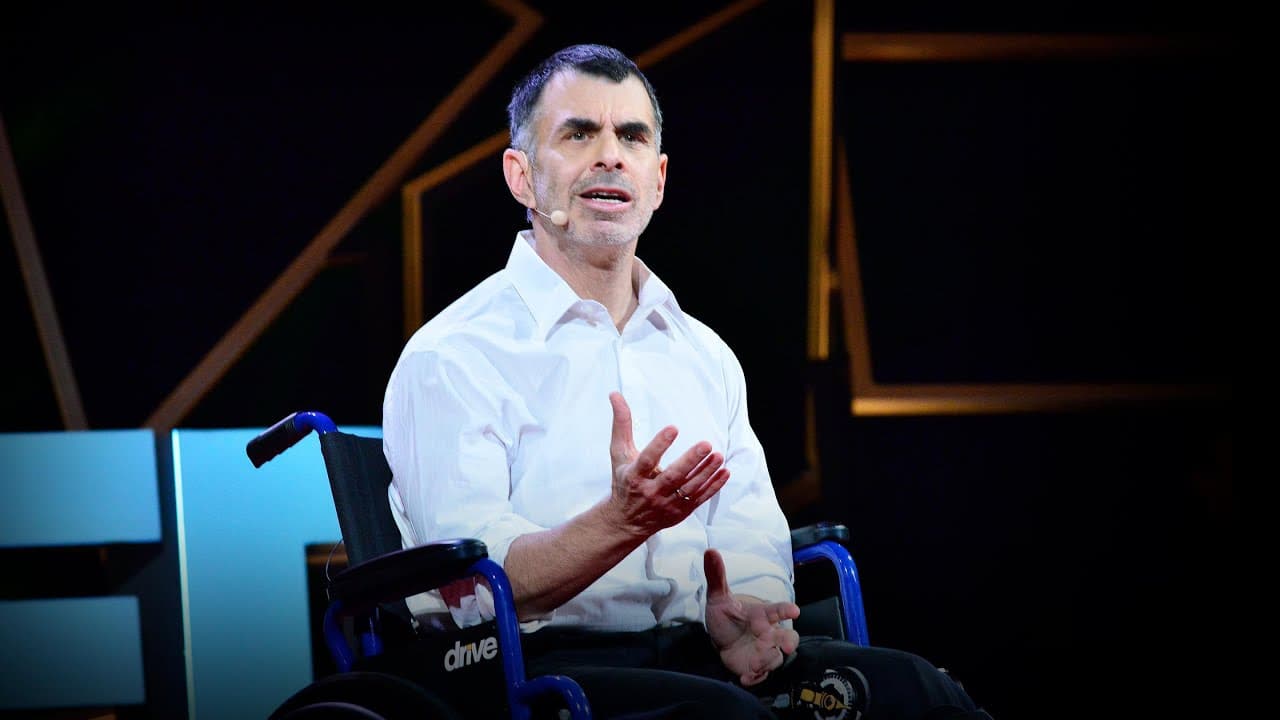
TL;DR
This content highlights the challenges low-income patients face in the United States healthcare system and emphasizes the need for responsive and compassionate care.
Transcript
A few years ago, I was taking care of a woman who was a victim of violence. I wanted her to be seen in a clinic that specialized in trauma survivors. I made the appointment myself because, being the director of the department, I knew if I did it, she would get an appointment right away. The clinic was about an hour and a half away from where she li... Read More
Key Insights
- 🚗 Trauma survivors may often miss appointments due to resistance to face difficult issues, not just because of lack of transportation. Health care systems must consider the unique needs of low-income patients.
- 🗣 Health care in the US assumes English fluency, literacy, and access to translation services, but many patients speak different languages or are illiterate.
- 📞 Access to a working telephone and accurate address is assumed in US health care, but low-income patients often struggle with phone disconnections and frequent address changes.
- 🍽️ Patients without a steady supply of food, such as diabetics, are at risk for life-threatening hypoglycemia. Safety net systems are implementing solutions including food pantries and nutrition assistance programs.
- 🏠 Homeless patients face significant challenges in accessing health care and medications. Providing stable housing improves health outcomes and reduces costs.
- 👧 Prioritizing health care can be difficult for low-income patients facing complex social issues such as abuse, addiction, or homelessness.
- 🌟 Primary care doctors play a crucial role in providing care and continuity for low-income patients. A supportive relationship can be the only healthy relationship in a patient's life.
- 💕 Health care systems need to show the same commitment to low-income patients as they exhibit to their patients. This involves addressing language barriers, scheduling obstacles, and fulfilling patients' unique needs.
Install to Summarize YouTube Videos and Get Transcripts
Explore YouTube Video Summarizer or Get YouTube Transcript Extractor
Questions & Answers
Q: Why do trauma survivors often miss appointments?
Trauma survivors often miss appointments because they are resistant to dealing with the difficult issues they face. This resistance can manifest in avoiding appointments and not actively seeking help.
Q: What are some of the challenges faced by low-income patients in accessing healthcare in the United States?
Low-income patients face numerous challenges in accessing healthcare. These include difficulties in transportation, limited financial resources for services like Uber, lack of English proficiency or language barriers, illiteracy, unstable housing situations, food insecurity, and the absence of a steady supply of food.
Q: How can the healthcare system be made more responsive to the needs of low-income patients?
To make the healthcare system more responsive to the needs of low-income patients, the starting point should be meeting patients where they are. This means removing obstacles to accessing care, providing services that align with their needs rather than assumptions, and addressing the social determinants of health like housing, food insecurity, and language barriers.
Q: How can non-English-speaking patients receive proper healthcare without facing communication barriers?
Translation services are crucial for non-English-speaking patients to receive proper healthcare. It is essential to prioritize translation as much as a prescription pad, ensuring patients can fully understand their medical information. Additionally, making healthcare materials accessible and easily understandable, such as using fourth-grade reading level materials, can further aid in overcoming communication barriers.
Summary & Key Takeaways
-
Health care in the United States often doesn't meet the needs of low-income patients, leading to disparities in access and quality of care.
-
Low-income patients face additional obstacles such as lack of transportation, language barriers, illiteracy, unstable housing, and food insecurity that can negatively impact their health outcomes.
-
Meeting patients where they are, providing services without obstacles, and focusing on their individual needs can help bridge the gap in health care for low-income individuals.
Read in Other Languages (beta)
Share This Summary 📚
Summarize YouTube Videos and Get Video Transcripts with 1-Click
Try YouTube Summary with ChatGPT & Claude or YouTube Transcript Generator
Explore More Summaries from TED 📚






Summarize YouTube Videos and Get Video Transcripts with 1-Click
Try YouTube Summary with ChatGPT & Claude or YouTube Transcript Generator