Why We’re Traveling Differently in 2026: 10 Lessons From Family Travel
TL;DR
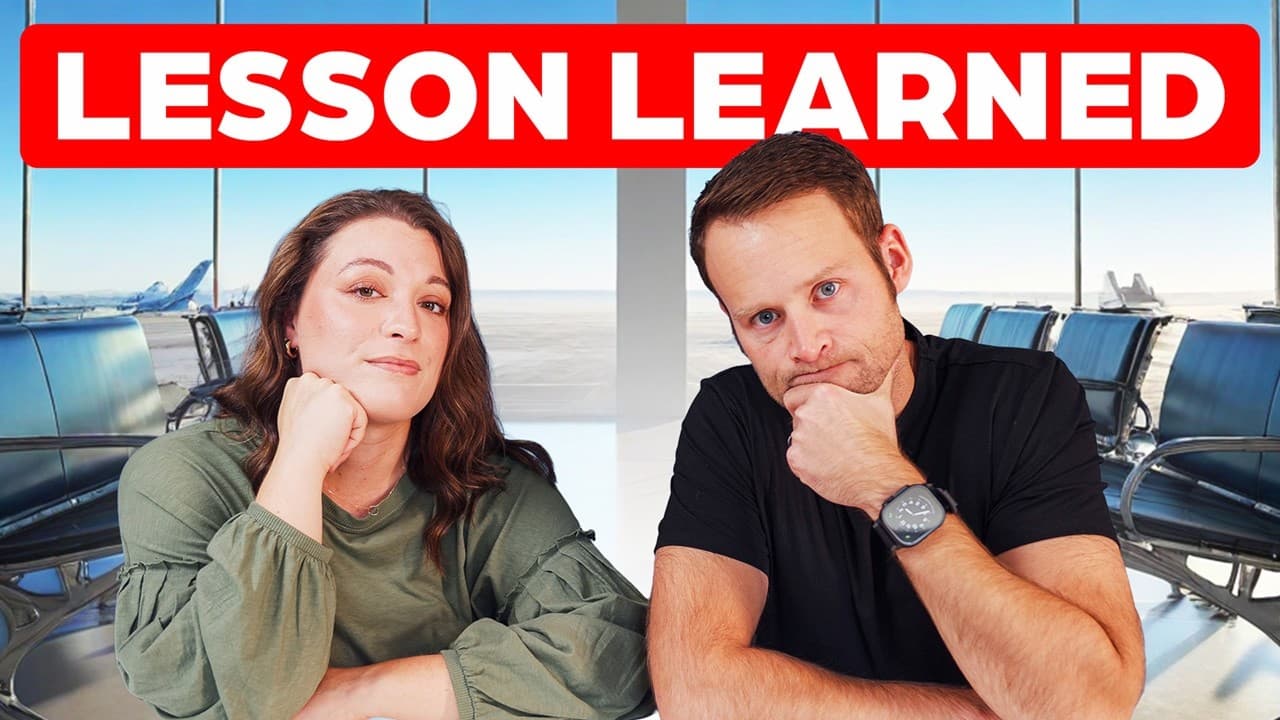
Travel more comfortably by staying longer in fewer places, scheduling recovery time, splitting exhausting journeys, and choosing transportation according to each destination. After spending about a quarter of the year on a dozen trips across Europe, Asia, and North America, the family changed how they manage energy, research destinations, use points, and travel with a child. Read on for the specific experiences behind their new approach.
Transcript
Travel has a way of keeping you humble. No matter how long you've been doing it, every trip still teaches you something new. This past year, our family spent about a quarter of the year on the road, taking a dozen trips across Europe, Asia, and North America. And we learned a lot along the way. >> So today, as two travel creators and former full-ti... Read More
Key Insights
- Preference matters more than prestige: Solo travel is often presented as the highest form of freedom and personal discovery, yet the family’s experiment produced a different conclusion. A week alone offered independence, but it also felt lonely. The lesson was not that solo travel is inherently undesirable, but that sharing experiences with other people better matched this traveler’s source of enjoyment.
- Longer stays reduce invisible strain: Packing, planning, changing accommodations, and moving between destinations consume energy even when every individual activity is enjoyable. Spending most of a month on the Iberian Peninsula in two bases reduced those repeated transitions. The benefit came from eliminating logistical friction, not merely from adding more hours of rest.
- Seven days changed Sarajevo: Search results suggested spending two or three days in Sarajevo, but the family stayed for seven. That choice accounted for half of their two-week Balkans trip and gave them more time to become immersed. It also weakened the pressure to complete every attraction quickly or treat a slower day as a lost opportunity.
- Rest belongs in the itinerary: An active traveler does not need to spend every down day sitting in a beach chair. The family’s point is that unstructured or slower time offsets the energy demanded by transportation and logistics. Deliberately leaving space in the schedule protects the rest of the trip from becoming a continuous cycle of movement and recovery.
- One night simplified three flights: The original route home from Montenegro required connections through Frankfurt and Chicago before the final flight. Leaving one afternoon earlier and sleeping near Frankfurt Airport transferred one segment away from the main travel day. The family retained substantial time in Montenegro while avoiding a rushed, uninterrupted sequence lasting more than twenty hours.
- Upgrade the flight that matters: The family loves using points and miles for business and first class, but now evaluates whether the schedule makes the premium useful. Their proposed Europe strategy is business class on the generally overnight outbound flight and economy on the generally daytime return. This reserves points for the segment where added comfort has greater practical value.
- Experiments can remain playful: One traveler completed a four-day solo journey around the world using three of the world’s nicest first-class seats. He acknowledged that it was not restful, but it was his idea of fun. The broader insight is that personal enjoyment can justify an unusual trip even when it does not satisfy a conventional definition of relaxation.
- Geography should guide transportation: The family remains on team public transportation in major cities, where it is usually the preferred option. Their experiences also showed that this preference cannot be applied everywhere. Islands, rural areas, and regions with dispersed attractions may make a car substantially more useful, so the decision should follow local conditions rather than habit.
- Madeira demonstrated car dependence: During ten days in Madeira, the family found that having a rental car was essentially necessary. Their road trip through Bosnia and Herzegovina, Croatia, and Montenegro similarly benefited from independent transportation. These experiences support researching transit coverage and attraction locations before assuming that the transportation approach used in a major city will transfer successfully.
- Small places require deeper research: Less crowded destinations can deliver memorable stays, but useful planning information may be harder to find. The family consulted personal blogs, substantive trip reports, restaurant reviews, and Reddit discussions to understand activities and seasonal business availability. That research supported their decision to stay in Perast rather than the more crowded Kotor.
- Animal welfare needs scrutiny: At an attraction in Sarajevo, the family saw exotic animals that appeared sedated and confined in small cages, so they left. The experience made ethical certifications, conservation work, living conditions, and animal welfare important research criteria. Attractions centered mainly on tourist photographs deserve particular caution when their treatment of animals appears questionable.
- Extra hands need clear boundaries: Friends and grandparents helped during international family trips by watching bags during bathroom breaks and assisting with meal coordination. Their value came from understanding that travel with a toddler works differently, not from assuming responsibility as childcare. Open communication and realistic expectations allowed practical support without misrepresenting anyone’s role.
Install to Summarize YouTube Videos and Get Transcripts
Explore YouTube Video Summarizer or Get YouTube Transcript Extractor
Questions & Answers
Q: How can travelers reduce exhaustion and stress during a busy trip?
Stay longer in fewer destinations and deliberately include slower or unstructured days. The family spent most of a month on the Iberian Peninsula in only two places, then allocated seven days to Sarajevo during a two-week Balkans trip. These choices reduced packing, transportation, constant movement, and fear of missing out. Recovery time improved the trip because logistics consume energy even for travelers who enjoy remaining active.
Q: Why is the family traveling differently in 2026?
Their experiences across a dozen trips showed that comfort depends on pacing, preparation, and matching decisions to actual needs. After spending about a quarter of the year traveling through Europe, Asia, and North America, they began favoring longer stays and planned rest. They also changed how they divide long journeys, spend points, research transportation, and prepare for emergencies. The changes respond to lessons from real trips, including the additional demands of traveling with a child.
Q: How can a family make a twenty-plus-hour travel day easier?
Divide the journey across a day and a half when the route permits it. On the way home from Montenegro, the family flew to Frankfurt late one afternoon and slept at an airport hotel before continuing through Chicago. This removed one of three flights from the main long-haul day and allowed them to wake up refreshed. Leaving slightly earlier still preserved plenty of time in Montenegro while reducing rushing and accumulated fatigue.
Q: When should travelers redeem points for business-class flights?
Use points when the upgraded seat meaningfully improves the most demanding part of the route. For travel to Europe, the family’s new plan is to redeem points for the generally overnight outbound flight in business class. They would then fly economy on the generally daytime return, when they expect to remain awake and watch movies. This approach saves points on the less valuable upgrade while still paying for quality where it counts.
Q: When is a rental car more useful than public transportation?
A rental car is most useful when a destination is rural, island-based, or spread across locations that transit does not connect conveniently. The family found a car essentially necessary during ten days in Madeira and useful on a road trip through Bosnia and Herzegovina, Croatia, and Montenegro. They still prefer public transportation in major cities. Researching local transit and attraction locations explains whether independent mobility will solve a real problem before booking.
Q: How should travelers research a smaller destination before booking?
Look for detailed accounts from people who have actually visited, including personal blogs, substantive trip reports, restaurant reviews, and Reddit discussions. These sources can clarify available activities, whether the destination merits an overnight stay, and which businesses operate during the intended season. The family used deeper research when choosing the less crowded Perast instead of Kotor. Smaller places can be memorable, but limited information makes advance verification more important.
Q: How can travelers assess whether an animal attraction is ethical?
Investigate its ethical certifications, conservation activity, animal living conditions, and stated emphasis on welfare before paying to enter. In Sarajevo, the family encountered exotic animals that appeared sedated and confined in small cages, prompting them to leave. Their experience showed that the reality at an attraction may conflict with the experience promoted to tourists. Extra caution is warranted when animal encounters appear designed primarily to produce photographs.
Q: What should travelers prepare for emergencies and family logistics?
Carry cash, downloaded offline maps, a small everyday-carry flashlight, an external battery, and printed copies or photographs of important documents. Travelers should also retain the information needed to enter their accommodation if normal systems become unavailable during a power outage. On family trips, trusted friends or grandparents can help with bags, bathroom breaks, and meals. Clear boundaries are essential because practical assistance does not make those companions designated childcare.
Summary & Key Takeaways
-
Testing solo travel: Both travelers took separate week-long trips while the other stayed home, including Ally’s visit to Edinburgh and a four-day first-class journey around the world. Despite the freedom and self-discovery commonly associated with solo travel, one traveler found the experience lonely and concluded that sharing places and memories with other people was more fulfilling. The experiment showed them that a celebrated style of travel does not necessarily suit every traveler.
-
Slowing the itinerary down: The family replaced compressed schedules with longer stays in fewer locations. During a month on the Iberian Peninsula, they spent most of their time based in only two places. They also devoted seven of their fourteen days in the Balkans to Sarajevo, despite search results suggesting two or three days. The slower pace created time for immersion, reduced constant movement and fear of missing out, and made down days feel valuable rather than wasted.
-
Making travel days manageable: Instead of enduring three flights from Montenegro through Frankfurt and Chicago in one day, the family left Montenegro late the previous afternoon and stayed overnight at an airport hotel in Frankfurt. This divided the journey into a day and a half, removed one flight from the long-haul day, and let them begin refreshed. They also reconsidered upgrades, favoring points for overnight business-class flights while choosing economy for daytime returns spent awake watching movies.
-
Researching each destination carefully: The family generally favors public transportation in large cities, but recognizes that islands, rural areas, and regions with scattered attractions may require a rental car. Ten days in Madeira and a road trip through Bosnia and Herzegovina, Croatia, and Montenegro demonstrated the value of independent transportation. Research into personal blogs, detailed trip reports, restaurant reviews, and Reddit discussions also helped them assess smaller destinations, seasonal availability, and ethical concerns surrounding animal attractions.
-
Preparing for family realities: Difficult trips become easier when travelers carry emergency essentials and invite companions who understand the demands of traveling with a child. Cash, offline maps, a flashlight, an external battery, document copies, and accommodation entry information can preserve access during disruptions such as power outages. Trusted friends and grandparents can also provide practical help with bags, bathroom breaks, and meals. Clear communication matters because companions are supporting the trip, not serving as designated childcare.
Read in Other Languages (beta)
Share This Summary 📚
Summarize YouTube Videos and Get Video Transcripts with 1-Click
Try YouTube Summary with ChatGPT & Claude or YouTube Transcript Generator
Explore More Summaries from Away Together w/ Nik and Allie 📚





Summarize YouTube Videos and Get Video Transcripts with 1-Click
Try YouTube Summary with ChatGPT & Claude or YouTube Transcript Generator