What Is FUD and How Does It Affect Investments?
TL;DR
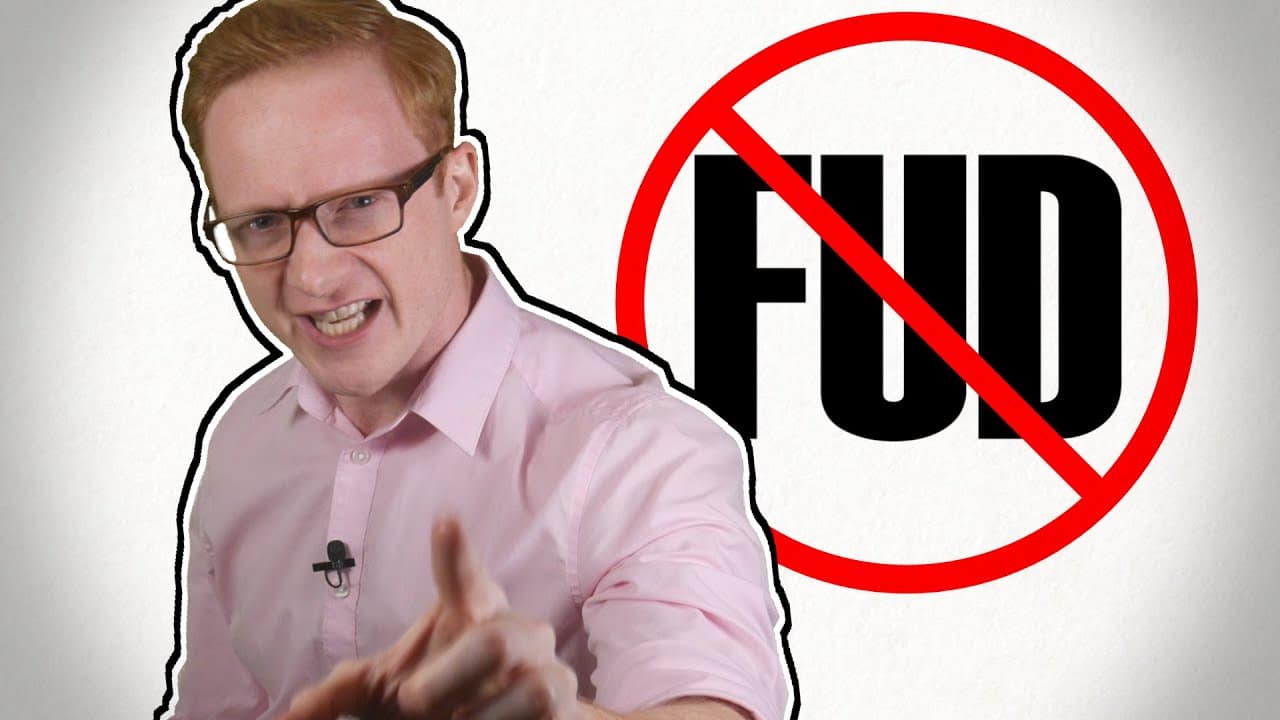
FUD, or Fear, Uncertainty, and Doubt, refers to misleading or speculative concerns that can irrationally influence investors. While it's essential to ignore unfounded rumors, dismissing all negative information as FUD can lead to confirmation bias and impair decision-making. A balanced approach involves actively seeking out contradictory viewpoints to make more informed investment choices.
Transcript
this video is sponsored by morningbrew click the link in the description below to start getting your summary of the daily news today but there's only one thing i hate more than short sellers and that's fun everywhere i look there are fuddruckers spreading lies and uncertainty about my positions and i've had it up to here okay meme stocks won't go u... Read More
Key Insights
- 🍉 FUD is a term used to describe irrational or speculative concerns of investors, often based on rumors or misinformation.
- 🥺 Dismissing all negative information as FUD can lead to confirmation bias and impede rational decision-making.
- 🍰 FUD gained popularity in the retail investing culture after the GameStop incident, highlighting the influence of short sellers and unethical trading practices.
- 💁 Actively seeking out contradictory viewpoints and engaging in respectful debate can help investors make better-informed decisions.
- 💁 It is important to differentiate between valid concerns and baseless rumors when assessing negative information.
- 🙈 Ignoring noise and unfounded rumors is important, but investors should not ignore important updates that may impact their portfolios.
- 📰 FUD should not be used as a means to dismiss all criticism or negative news about investments, as it can hinder understanding and objectivity.
Install to Summarize YouTube Videos and Get Transcripts
Explore YouTube Video Summarizer or Get YouTube Transcript Extractor
Questions & Answers
Q: What does FUD stand for and how is it used in investing?
FUD stands for Fear, Uncertainty, and Doubt, and it is used to describe irrational or speculative concerns of investors about specific investments. It often refers to rumors spread on social media or mainstream media that can cause panic or worry among investors.
Q: Why has FUD gained popularity in the retail investing culture?
The GameStop fiasco shed light on unethical trading practices and the influence of short sellers. This drew attention to how institutional investors campaign against companies they are betting against, spreading uncertainty and doubt. The term gained popularity as retail investors used it to identify and combat these practices.
Q: Why is it important to not dismiss all negative information as FUD?
Dismissing all negative information as FUD can lead to confirmation bias, where investors place more weight on information that supports their beliefs and discredit contradictory information. It impairs rational decision-making and prevents a full understanding of the investment's risks and potential.
Q: How can investors manage their emotions and misinformation in investing?
Firstly, investors should not ignore information labeled as FUD but should assess it thoroughly to determine its likelihood and impact. Seeking out information that contradicts one's own thesis is also important to form a well-rounded and objective opinion. Finally, engaging in healthy and respectful debate with others about investments can help better understand holdings and refine analytical capabilities.
Summary & Key Takeaways
-
FUD stands for Fear, Uncertainty, and Doubt, and it is used to label irrational or speculative concerns of investors about specific investments.
-
The term has gained popularity in the retail investing culture, particularly after the GameStop fiasco, which shed light on unethical trading practices and the influence of short sellers.
-
While it is important to ignore noise and unfounded rumors in investing, dismissing all negative information as FUD can lead to confirmation bias and hinder informed decision-making.
Read in Other Languages (beta)
Share This Summary 📚
Summarize YouTube Videos and Get Video Transcripts with 1-Click
Try YouTube Summary with ChatGPT & Claude or YouTube Transcript Generator
Explore More Summaries from The Plain Bagel 📚




Summarize YouTube Videos and Get Video Transcripts with 1-Click
Try YouTube Summary with ChatGPT & Claude or YouTube Transcript Generator