What Are the Key Insights from Atul Gawande's 'Being Mortal'?
TL;DR
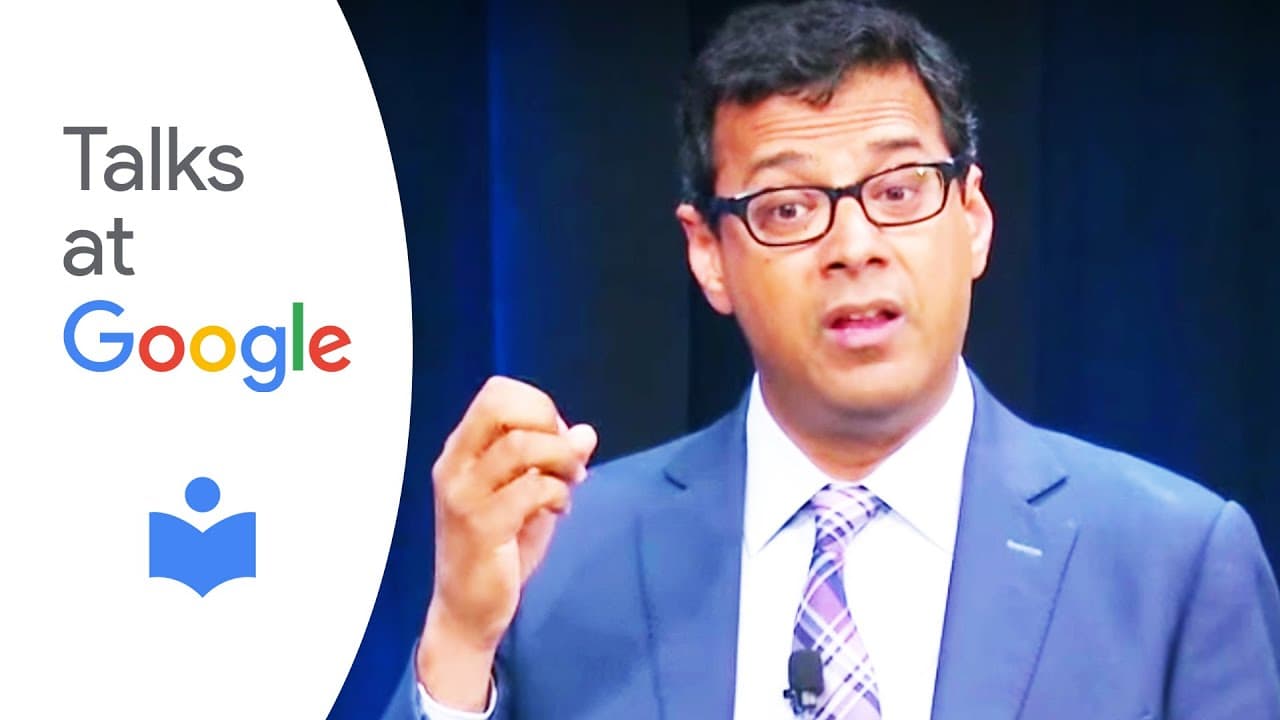
Atul Gawande's 'Being Mortal' emphasizes the need to redefine end-of-life care by aligning medical treatment with patients' priorities for a good life, rather than solely prolonging life. He advocates for integrating palliative care, which has been shown to improve quality of life and even extend survival, by focusing on individual goals and needs in healthcare conversations.
Transcript
[MUSIC PLAYING] TOM SMITH: OK, I'm thrilled to welcome Atul Gawande to Google during the week that marks a paperback publication of his number one New York Times best seller, "Being Mortal: Medicine and What Matters in the End." Dr. Gawande is a surgeon at the Brigham and Women's Hospital in Boston, a staff writer for The New Yorker, and a professo... Read More
Key Insights
- 🛟 By reframing healthcare goals, we can provide better end-of-life care and focus on a good life throughout.
- 😷 Conversations about mortality are essential for aligning medical care with patients' priorities.
- 😷 Integrating palliative care improves patient outcomes and reduces unnecessary medical interventions.
- 🎙️ More videos with Atul Gawande:
Install to Summarize YouTube Videos and Get Transcripts
Explore YouTube Video Summarizer or Get YouTube Transcript Extractor
Questions & Answers
Q: What inspired Atul Gawande to write "Being Mortal"?
Atul Gawande was motivated by his experience as a surgeon to address the unfixable problems related to mortality and end-of-life care. He felt the need to explore how to handle situations where medical solutions were limited.
Q: How does the lack of discussions about mortality impact end-of-life care?
The absence of conversations about mortality leads to misalignment between patients' priorities and medical interventions, resulting in unnecessary suffering and poor quality of life at the end.
Q: How does the integration of palliative care impact patient outcomes?
Palliative care, when integrated early, leads to improved quality of life, reduced interventions like chemotherapy in the last weeks of life, and ultimately results in better patient outcomes.
Q: What implications does Atul Gawande's work have for healthcare education and training?
Gawande's work highlights the importance of incorporating communication skills, patient priorities, and end-of-life care discussions in healthcare education and training to improve the quality of care provided to patients.
Summary & Key Takeaways
-
Atul Gawande explores the need to address the unfixable problems in healthcare related to mortality.
-
He emphasizes the importance of aligning medical care with patients' priorities for a better quality of life.
-
Gawande advocates for a shift in the healthcare system to focus on living well until the very end.
Read in Other Languages (beta)
Share This Summary 📚
Summarize YouTube Videos and Get Video Transcripts with 1-Click
Try YouTube Summary with ChatGPT & Claude or YouTube Transcript Generator
Explore More Summaries from Talks at Google 📚
Summarize YouTube Videos and Get Video Transcripts with 1-Click
Try YouTube Summary with ChatGPT & Claude or YouTube Transcript Generator