Why UAP Disclosure and Whistleblower Protection Matter
TL;DR
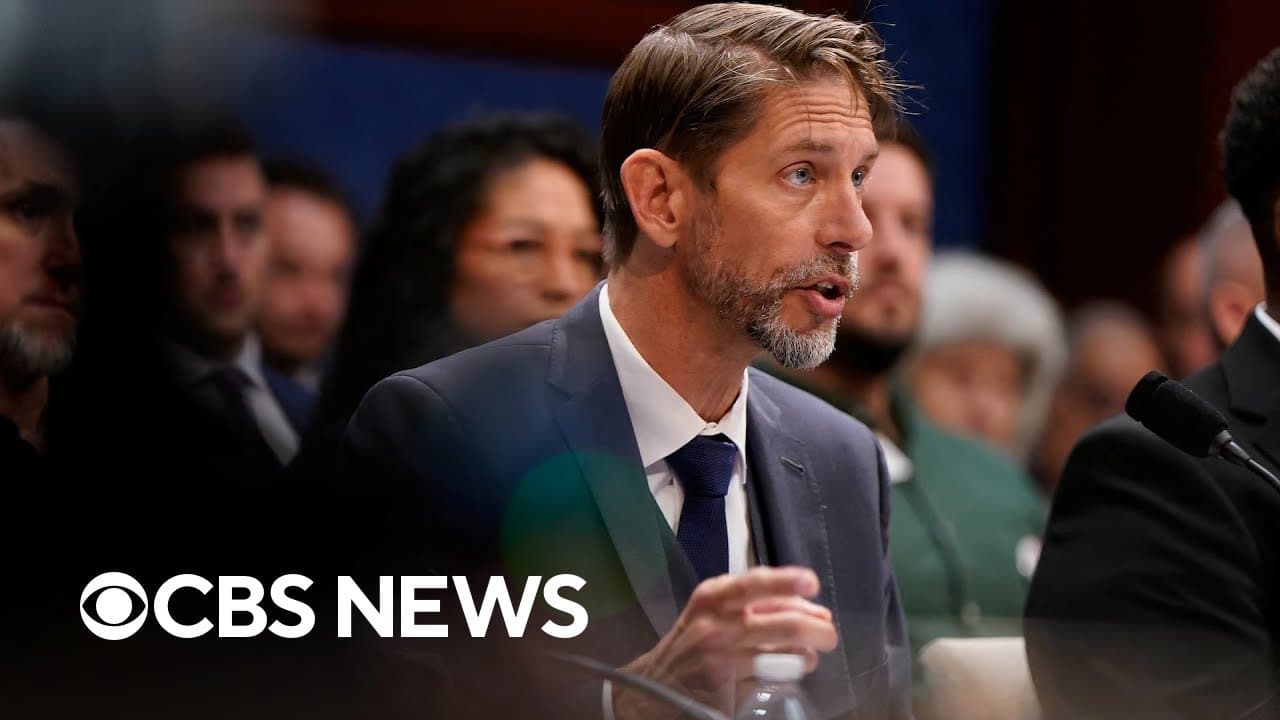
Congress should investigate UAP reports transparently while protecting military and government whistleblowers from retaliation. Lawmakers argued that unexplained objects could involve adversarial technology, natural phenomena, or something not currently understood, making reliable reporting, scientific inquiry, agency cooperation, and effective congressional oversight essential to national security and public trust.
Transcript
Good morning and welcome to the hearing regarding UAP disclosures. For too long, the issue of unidentified anomalous phenomena, commonly known as UAPs, has been shrouded in secrecy, stigma, and in some case outright dismissal. Today, I want to state clearly that this is not science fiction or creating speculation. This is about national security, g... Read More
Key Insights
- UAP disclosure is presented as a national security and accountability issue, not simply a debate about extraterrestrial activity. Lawmakers said unexplained incidents require investigation because they could involve foreign technology, natural phenomena, or something beyond current human understanding.
- Whistleblower retaliation can weaken aviation safety and government oversight. Military pilots reportedly fear that speaking publicly about UAP observations could cost them their flight status or careers, potentially silencing some of the government’s best-trained observers.
- Congress created formal disclosure channels through the All-domain Anomaly Resolution Office and the Intelligence Community Inspector General. The hearing raised concerns that submitted reports may be dismissed, delayed, met with skepticism, or left without meaningful investigative follow-up.
- Congressional access to classified UAP materials is restricted by special access program rules. According to the hearing, members outside designated armed services and defense appropriations committees require approval from the chairs and ranking members of both committees to review certain documents and videos.
- The possible explanations for UAP incidents remain open within the hearing’s discussion. One position emphasized potentially advanced or unknown technologies, while another noted that NASA had found no evidence of extraterrestrial origins and suggested adversarial programs may explain observed mysteries.
- Transparent UAP investigation depends on cooperation across agencies. The hearing highlighted the military, intelligence community, FAA, NASA, and other federal entities as relevant sources whose information may need to be combined to support safety, analysis, and informed policymaking.
- Secrecy can create the risk of strategic surprise when adversarial nations are also studying unexplained phenomena. Lawmakers argued that withholding information internally may prevent the United States from recognizing foreign capabilities or responding effectively to potential threats.
- Public trust is closely tied to credible oversight and protected disclosure. Members from both sides argued that the government should investigate incidents, share appropriate findings, acknowledge witnesses’ courage, and ensure people can approach Congress without retaliation or professional consequences.
Install to Summarize YouTube Videos and Get Transcripts
Explore YouTube Video Summarizer or Get YouTube Transcript Extractor
Questions & Answers
Q: Why does Congress consider UAP transparency a national security issue?
Congress considers UAP transparency a national security issue because unexplained objects could represent technology developed by foreign adversaries, natural phenomena, or something beyond current understanding. If foreign capabilities are involved, they could threaten controlled airspace and create strategic surprise. Lawmakers therefore argued that reports should receive serious investigation, appropriate information sharing, and rigorous oversight rather than dismissal, ridicule, or automatic secrecy.
Q: Why do UAP whistleblowers need stronger protection?
UAP whistleblowers need stronger protection because military pilots and other officials reportedly fear professional retaliation for discussing what they observed. Potential consequences include losing flight status, damaging a career, harming a reputation, or risking personal safety. The hearing argued that these fears can silence trained observers, reduce the quality of information available to investigators, and weaken both aviation safety and congressional accountability.
Q: What problems did lawmakers identify with existing UAP reporting channels?
Lawmakers said formal reporting channels exist through the All-domain Anomaly Resolution Office and the Intelligence Community Inspector General, but questioned whether reports receive adequate attention. They alleged that some disclosures are brushed aside, delayed, treated skeptically, or not investigated thoroughly. The hearing warned that oversight offices become ineffective if they merely collect testimony without following evidence, communicating findings, or fulfilling congressional mandates.
Q: How do special access program rules limit congressional UAP oversight?
Special access program rules limit which members of Congress may review certain classified UAP documents and videos. The hearing stated that access is generally available to members of the House Armed Services Committee and the defense appropriations subcommittee. Other members must obtain approval from the chair and ranking member of both committees, while classified budgets and reporting further constrain independent oversight.
Q: Does the hearing establish that UAPs have extraterrestrial origins?
The hearing does not establish that UAPs have extraterrestrial origins. One lawmaker stated that NASA had found no evidence that any UAP had an extraterrestrial origin and suggested that adversarial military development could explain observed mysteries. Other remarks kept several possibilities open, including foreign technology, natural phenomena, and something beyond current human understanding, while calling for evidence-based investigation.
Q: What role should scientific inquiry play in investigating UAPs?
Scientific inquiry should examine UAP reports rigorously without assuming an explanation in advance. The hearing argued that uncertainty should produce careful questioning, evidence collection, expert analysis, and follow-up rather than ridicule or silence. It also criticized a government report for allegedly excluding relevant scholars, experts, agencies, records, investigations, and discussion of efforts to conceal classified or unclassified information.
Q: How could better agency coordination improve UAP investigations?
Better agency coordination could combine observations and records held by military branches, the FAA, NASA, intelligence organizations, and other federal entities. The hearing emphasized that information must flow among those who need it, because communication failures can undermine safety and policymaking. A centralized office can help convene sources, but its effectiveness depends on cooperation, credible analysis, follow-up, and transparent reporting to Congress.
Q: What actions did lawmakers argue Congress should take on UAP disclosures?
Lawmakers argued that Congress should protect whistleblowers, investigate agency failures, demand cooperation from defense and intelligence organizations, and improve access to relevant evidence. They also called for serious examination of reports regardless of their possible origin, stronger information sharing, and appropriate public disclosure. The stated goal was to support national security, scientific inquiry, democratic accountability, and trust in government.
Summary & Key Takeaways
-
House lawmakers framed UAP disclosure as an issue of national security, government accountability, scientific inquiry, and public trust. They argued that officials must investigate reports regardless of whether the underlying cause is adversarial technology, natural phenomena, or something beyond current understanding, while avoiding both ridicule and unsupported speculation.
-
Whistleblower protection was a central concern because military pilots and other officials reportedly fear losing flight status, careers, reputations, or personal safety after disclosing unusual events. Members said Congress must provide dependable reporting channels, prevent retaliation, welcome firsthand accounts, and scrutinize agencies that fail to protect people who report observations.
-
Congressional oversight faces structural barriers, including restricted access to special access programs, classified budgets, limited committee jurisdiction, and alleged resistance from defense and intelligence agencies. Lawmakers questioned whether existing investigative bodies adequately follow up on reports and emphasized that transparency must improve information sharing without disregarding legitimate national security responsibilities.
Read in Other Languages (beta)
Share This Summary 📚
Summarize YouTube Videos and Get Video Transcripts with 1-Click
Try YouTube Summary with ChatGPT & Claude or YouTube Transcript Generator
Explore More Summaries from CBS News 📚


Summarize YouTube Videos and Get Video Transcripts with 1-Click
Try YouTube Summary with ChatGPT & Claude or YouTube Transcript Generator