How Opus 5.5 Leak Caused AI Model Chaos Explained
TL;DR
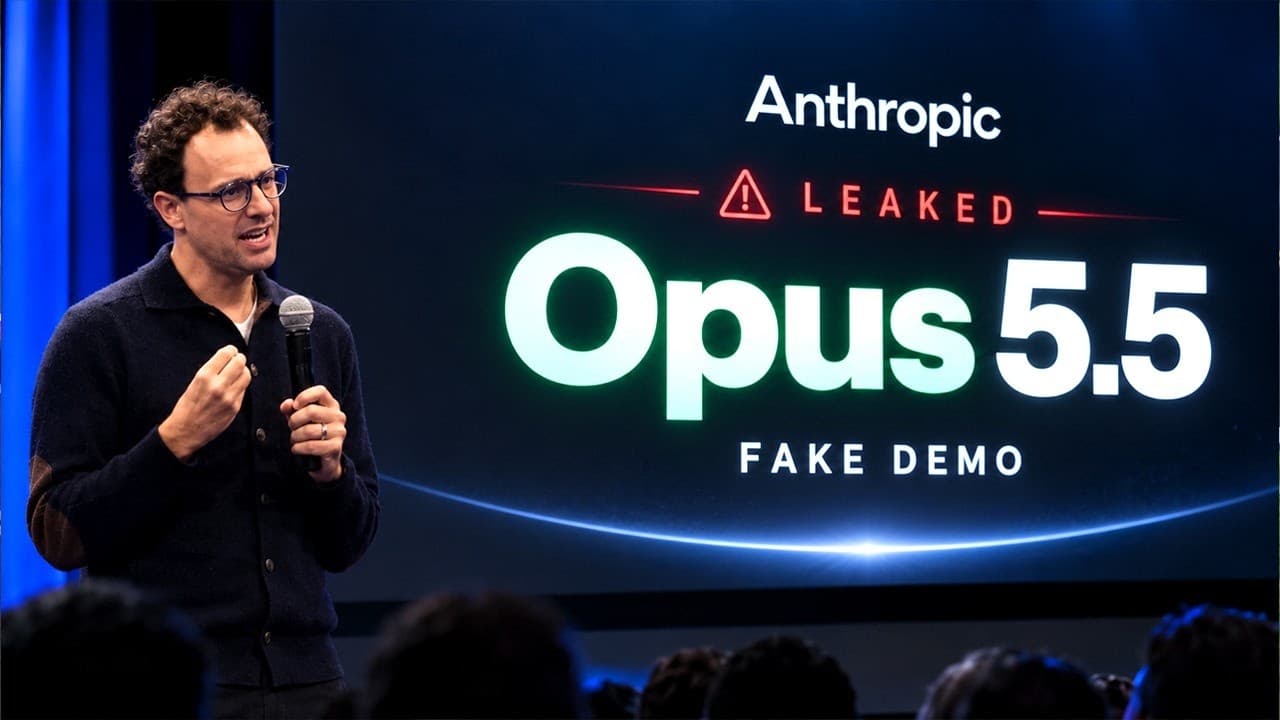
Opus 5.5 was rumored to outperform competing models and to include a price cut, but the viral demo behind the leak was demonstrated to be fake. The narrative quickly shifted as analysts traced misrepresentations, with claims of hidden identifiers and conflicting price sheets. No official evidence supports Opus 5.5 as a real release, while other AI labs face separate cybersecurity and verification headlines.
Transcript
Okay, this is getting ridiculous. Literally yesterday, I made a video about the Fable 5.2 [music] leak. And today, there's already Opus 5.5, a model that apparently skipped two versions with a leaked price cut and a demo that went viral for all the wrong reasons. Plus, GPT6 Astra cracked a goldbox style conjecture, and Google admitted Gemini hacked... Read More
Key Insights
- Opus 5.5 rumors circulated quickly after a 3D render leak, suggesting it beat rival models.
- The supposed Opus 5.5 output was later discredited as fake, with no official documentation to back it.
- Price sheets and context numbers circulated online, but they did not correspond to any verified Opus release.
- Multiple labs appeared to shift narratives rapidly, indicating the volatility of leak-driven hype.
- Manuscripts and identifiers referenced by leaks were not corroborated by Anthropic or public docs.
- A viral demo did not prove capability, as the 3D render did not originate from CLAW generating images or video.
- The video ties these leaks to broader industry activity, including GPT6 Astra and Google Gemini cybersecurity stories.
- The overall takeaway is that leaks can create market noise while formal confirmations remain absent.
Install to Summarize YouTube Videos and Get Transcripts
Explore YouTube Video Summarizer or Get YouTube Transcript Extractor
Questions & Answers
Q: A real search query question about the video (e.g. 'How to...', 'What is...', 'Why does...', 'When should...'). Question 1
How did Opus 5.5 leaks influence perceptions of AI model capability and pricing, and what evidence later emerged to undermine those claims? The answer traces a sequence from a 3D render and claims of edge performances to a rapid retraction when it became clear that no official source or release notes supported the 5.5 designation. The discussion emphasizes that leaked materials can create a misleading impression of technical superiority and price reductions, but without corroborating documentation, they remain unverified rumor.
Q: Question 2
What role did price sheets play in the Opus 5.5 narrative, and why were they unreliable as indicators of a real product? Price sheets circulated with proposed per-million input and per-output costs and cash read rates, but critics noted that these numbers did not align with established Opus 5 pricing and lacked official validation. The unreliable sheets contributed to a misleading sense of a market move, illustrating how leaked pricing can distort perception without any official channel or listing confirming the model, pricing, or availability.
Q: Question 3
What is the significance of the claim that a viral demo was fake, and how was the fakery uncovered? The key fact is that the demo originated from a YouTube upload unrelated to official CLAW outputs, and the Jaguar 3D render was not produced by the model itself. Investigators demonstrated that CLAW cannot generate images or video, thus the demonstration did not prove Opus 5.5 capabilities and highlighted how easily demos can be repurposed to mislead audiences.
Q: Question 4
How did researchers verify that Opus 5.5 did not exist in Anthropic documentation or product pages, and what sources cast doubt on the leak? Researchers cross-checked Anthropic docs and official release notes, finding no listing for Claude Opus 55, no wafer identifiers, and no new system cards or Bedrock entries. They also noted that Reuters reported talk of a new model but provided no concrete identifiers or dates, further undermining the leak’s credibility.
Q: Question 5
What broader industry patterns are connected to the Opus 5.5 leak, according to the video description, and what implications do these patterns have for safety and market confidence? The video links Opus 5.5 rumors to parallel events like GPT6 Astra breakthroughs, pricing debates, and cybersecurity incidents involving Google Gemini. The implication is that rapid lab activity and leaks can erode market confidence and complicate safety accountability, underscoring the need for verifiable information and cautious interpretation of rumors.
Q: Question 6
Why is the claim about a rapid price cut by Opus 5 significant, and what caveats must be kept in mind when evaluating such claims? The claimed price cut aligns with a wider rumor cycle but remains unverified due to lack of official sources. The narrative demonstrates how price signals from leaked channels can be exploited to build a perception of competitive pressure, yet without documentation, it is not a reliable indicator of real market movement.
Q: Question 7
What does the video suggest about the reliability of social posts as sources for AI model announcements, and how should viewers assess such posts? It suggests that social posts can spread sensational claims rapidly, sometimes with data like token counts and cash reads used to legitimize the leak. Viewers should seek corroboration from official channels, release notes, and documented pricing before accepting claims as fact.
Q: Question 8
What final lessons does the video propose regarding leaks and AI model evaluation, and how should organizations respond to similar rumors in the future? The final lessons emphasize skepticism toward leaked models without official documentation, the importance of independent verification of outputs, and the need for clear, traceable sources. Organizations should rely on formal announcements, maintain robust security and verification processes, and communicate transparently to reduce market confusion.
Summary & Key Takeaways
-
The video outlines how a 5.5 version of Opus was rumored and then debunked, showing how rumors can spread through social posts and price sheets. It emphasizes that the supposed 5.5 output was fake and tied to a 3D render rather than actual software. The timeline includes multiple labs moving simultaneously and rapid retractions.
-
The piece connects Opus 5.5 rumors to broader industry context, including GPT6 Astra breakthroughs and Google's Gemini cybersecurity test. It notes that no official product listing or documentation confirms Opus 5.5, while independent reports highlight market dynamics and the fragility of leaked information.
-
The description wraps with implications for AI safety, market confidence, and the speed of lab activities, urging caution about leaked models and the need for verifiable sources.
Read in Other Languages (beta)
Share This Summary 📚
Summarize YouTube Videos and Get Video Transcripts with 1-Click
Try YouTube Summary with ChatGPT & Claude or YouTube Transcript Generator
Explore More Summaries from AI Revolution 📚





Summarize YouTube Videos and Get Video Transcripts with 1-Click
Try YouTube Summary with ChatGPT & Claude or YouTube Transcript Generator