Dante - The Divine Comedy: Inferno BOOK REVIEW
TL;DR
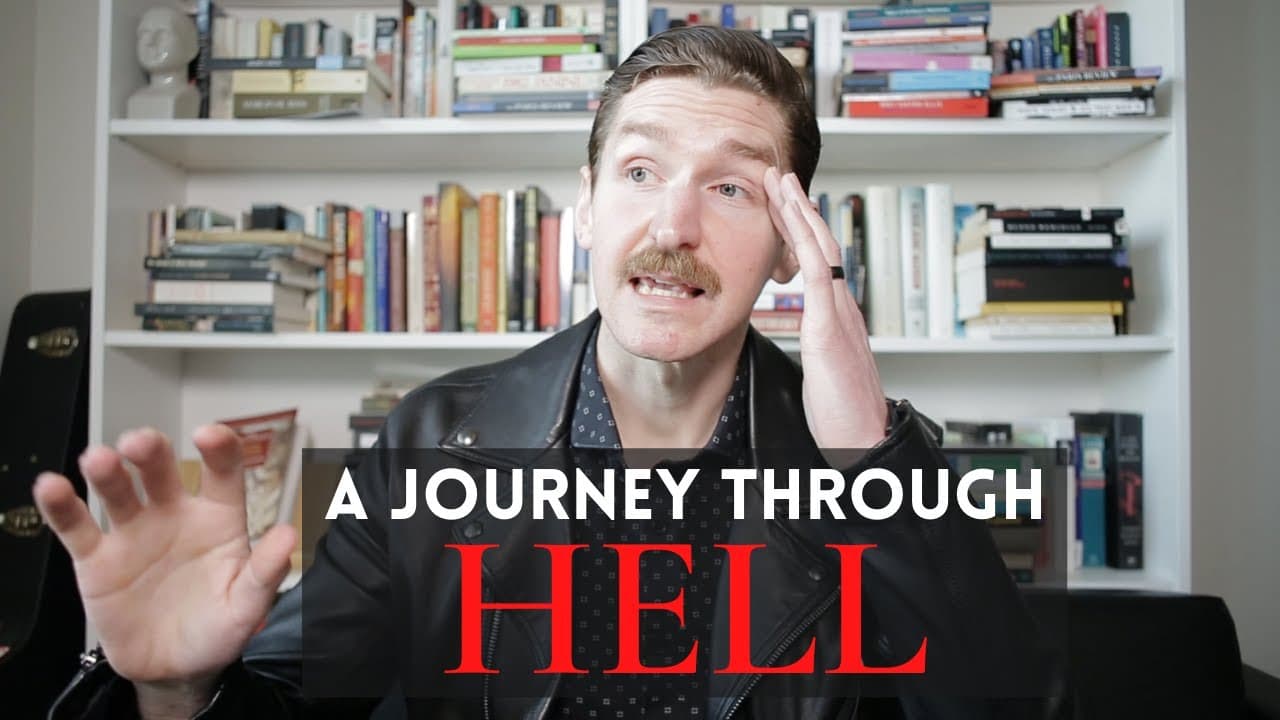
Dante Alighieri’s Inferno is a strange, difficult, and highly enjoyable poem that rewards both casual reading and deeper study. Clifford Lee Sergeant recommends the John Charty translation because its canto summaries and explanatory footnotes clarify the poem’s many historical, poetic, and mythological references. As the first part of The Divine Comedy, it offers enough depth to reread for a lifetime. Read on for the translation, structure, and resources that make it approachable.
Transcript
you know it occurred to me the other day that there's absolutely nobody in history who i'd be interested in meeting who would ever go to heaven ever better than food man good morning everyone welcome to bed and food book reviews i'm your host clifford lee sergeant great to see you as always hope you're doing well thanks for stopping by today's epis... Read More
Key Insights
- 😘 Dante Alighieri's Inferno offers a dark and creative depiction of hell, showcasing various levels of sin and corresponding punishments.
- 🖐️ The translation and footnotes play a crucial role in aiding readers to understand the complex references and mythology in the text.
- 🙈 The absence of Satan's lines in the poem is seen as a missed opportunity for further character development and exploration of evil.
- 🐚 The journey through hell in Dante's Inferno is both atmospheric and gruesome, with vivid descriptions of punishments fitting the crimes committed.
- 😘 The comparison between Dante's Inferno and Milton's Paradise Lost highlights the different approaches to sin, redemption, and the portrayal of Satan in literature.
- 💦 The review emphasizes the timeless nature of Dante's work, encouraging readers to delve into the layers of meaning and explore the profound themes presented.
- 💍 The detailed and intentional structure of Inferno reflects Dante's skill as a poet and storyteller, inviting readers to engage with the text on multiple levels.
Install to Summarize YouTube Videos and Get Transcripts
Explore YouTube Video Summarizer or Get YouTube Transcript Extractor
Questions & Answers
Q: Is Dante Alighieri’s Inferno worth reading?
Yes. Clifford Lee Sergeant describes Inferno as difficult and strange but also very fun to read, with deep layers that can reward repeated study over a lifetime. He advises intimidated readers to begin by reading it once for pleasure.
Q: Which translation of Dante’s Inferno does Clifford Lee Sergeant review?
He reviews the John Charty translation, which was recommended by his friend and patron Julia. He says its extensive explanatory footnotes made the reading experience less hellish by clarifying unfamiliar references.
Q: Why are explanatory footnotes helpful when reading Dante’s Inferno?
The poem contains many references to poetry, myths, history, and medieval material that Clifford was not familiar with. The footnotes explain relevant lines and help readers understand those references.
Q: How is the John Charty edition of Inferno structured?
Each canto, or section, begins with a summary and then presents the translated poem. Footnotes corresponding to lines that need explanation appear at the end of each chapter, which Clifford calls a simple and effective setup for a difficult poem.
Q: What poetic form is Dante’s Inferno written in?
Inferno is written in terza rima, a three-line poetic form that Dante invented. Clifford explains that the final word of the first line rhymes with the final word of the third and notes that this structure is not easy to translate.
Q: How should a first-time reader approach Dante’s Inferno?
Clifford recommends reading it once for pleasure without being intimidated. Readers with sufficient time and stamina can investigate its history, myths, and deeper meanings immediately, while others can revisit those layers gradually through later readings.
Q: What additional resource helped Clifford understand Dante’s Inferno?
A Yale lecture by Yusefi Masota helped him with the poem’s context, meaning, and interpretation. Although the lecture runs for hours and he had not watched all of it, he drew from it for the review and highly recommends it.
Q: Why can The Divine Comedy be difficult to read?
Clifford’s Italian video editor says the text can be tough because of its poetic language and medieval references. Clifford likewise finds the English translation strange and difficult, although he is impressed by the translator’s handling of the terza rima scheme.
Summary & Key Takeaways
-
Clifford Lee Sergeant reviews Dante Alighieri's Inferno, emphasizing its dark and creative depiction of hell.
-
He discusses the translation he read, the resources that helped him understand the context better, and the structure of the book.
-
The review covers Dante's life, the punishment of sinners, the journey through hell, and the climactic ending.
Read in Other Languages (beta)
Share This Summary 📚
Summarize YouTube Videos and Get Video Transcripts with 1-Click
Try YouTube Summary with ChatGPT & Claude or YouTube Transcript Generator
Explore More Summaries from Better Than Food 📚




Summarize YouTube Videos and Get Video Transcripts with 1-Click
Try YouTube Summary with ChatGPT & Claude or YouTube Transcript Generator