How to Master Your Shadow and Mind with Jungian Psychology
TL;DR
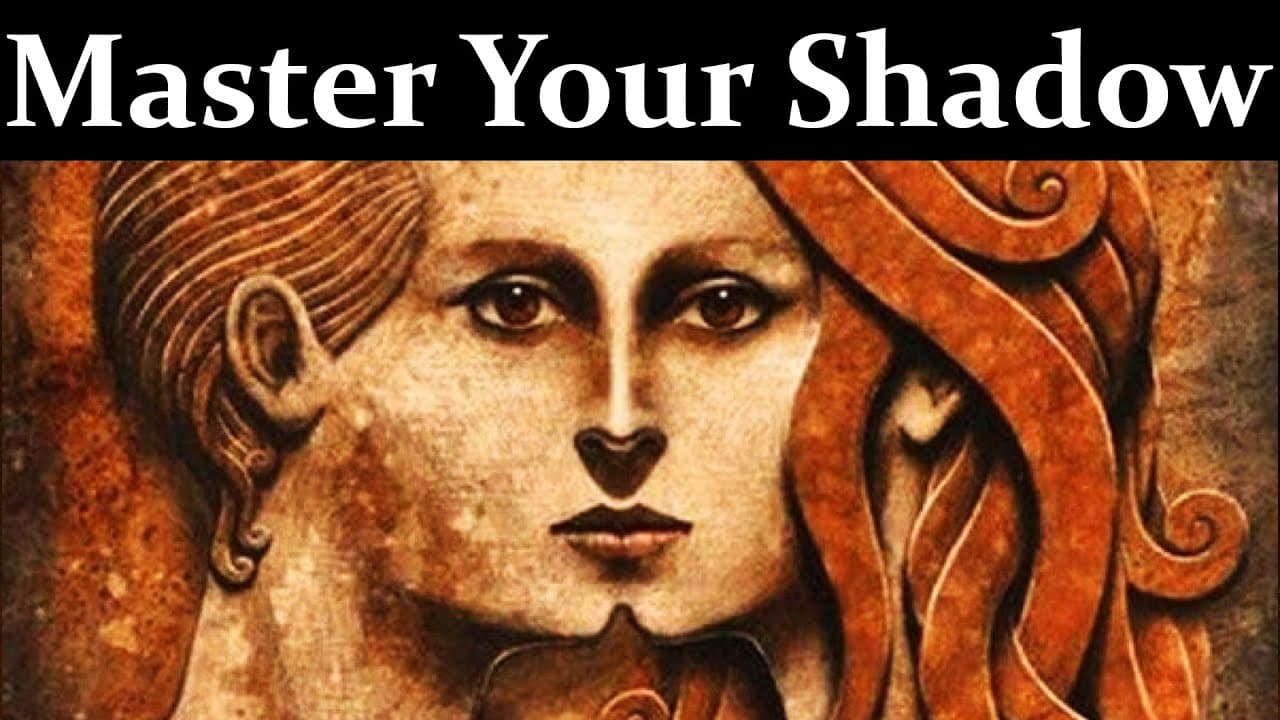
Mastering the shadow involves recognizing and integrating repressed aspects of oneself to achieve emotional resilience. This process requires confronting uncomfortable truths and emotions, leading to a more authentic and balanced life. The course emphasizes practical application through self-observation, dream analysis, and reflective practices, ultimately fostering emotional intelligence and reducing psychological suffering.
Transcript
this is a free course no fluff no nonsense a direct and deep dive into the most powerful concepts of KL Gustavong's psychology with a clear goal to help you master your shadow and become emotionally unshakable who should watch until the end anyone facing anxiety depression feelings of guilt anger grief or any type of psychological suffering those w... Read More
Key Insights
- The shadow is the sum of repressed aspects of the personality, influencing emotions and behaviors unconsciously.
- Integrating the shadow involves acknowledging and embracing repressed emotions like anger, envy, and fear.
- The persona is the social mask we wear, often reinforcing the shadow by hiding true emotions.
- Archetypes such as Anima, Animus, Self, and Trickster emerge during shadow work, guiding or hindering integration.
- Emotional resilience is achieved by integrating the shadow, leading to authentic and balanced emotional responses.
- Practical tools for shadow integration include dream analysis, reflective writing, and mindfulness practices.
- Ignoring the shadow results in psychological suffering, while integration brings emotional freedom and authenticity.
- The process of shadow integration is continuous, requiring ongoing self-awareness and commitment.
Install to Summarize YouTube Videos and Get Transcripts
Explore YouTube Video Summarizer or Get YouTube Transcript Extractor
Questions & Answers
Q: How to integrate the shadow in daily life?
Integrating the shadow involves recognizing repressed emotions and behaviors, engaging in self-observation, and practicing reflective writing and mindfulness. By acknowledging and embracing these aspects, individuals can reduce the shadow's unconscious influence, leading to emotional resilience and authenticity. This process requires constant self-awareness and commitment to personal growth.
Q: What is the shadow according to Jung?
The shadow, as defined by Carl Jung, is the collection of repressed or denied aspects of the personality that remain in the unconscious. These elements influence emotions and behaviors without conscious awareness, often manifesting as uncontrollable emotional reactions or self-destructive patterns. Integrating the shadow involves acknowledging and accepting these aspects to achieve emotional balance.
Q: Why is the persona important in shadow work?
The persona is the social mask we wear to conform to societal expectations, often hiding true emotions and reinforcing the shadow. During shadow work, understanding the persona helps identify repressed aspects that need integration. By dismantling the persona, individuals can embrace their authentic selves and reduce the shadow's unconscious influence, leading to emotional freedom.
Q: What role do archetypes play in shadow integration?
Archetypes such as Anima, Animus, Self, and Trickster emerge during shadow work, influencing the integration process. They act as guiding or hindering forces, representing universal patterns of behavior and symbolic imagery. Understanding and engaging with these archetypes helps individuals navigate the complexities of shadow integration, leading to a more balanced and authentic self.
Q: How can dream analysis aid shadow integration?
Dream analysis is a powerful tool for shadow integration, as dreams provide direct access to the unconscious. By examining recurring images, symbols, and emotions in dreams, individuals can identify repressed aspects of their psyche. This awareness helps reduce the shadow's unconscious influence, facilitating emotional resilience and personal growth through conscious integration.
Q: What are the benefits of integrating the shadow?
Integrating the shadow leads to emotional resilience, authenticity, and a balanced response to life's challenges. By acknowledging and embracing repressed emotions and behaviors, individuals reclaim psychic energy previously consumed by repression. This process fosters emotional intelligence, reduces psychological suffering, and promotes a more authentic and fulfilling life.
Q: Why is shadow integration a lifelong process?
Shadow integration is a lifelong process because new layers of repressed content continually emerge as individuals evolve. The shadow adapts, finding new ways to hide, requiring ongoing self-awareness and commitment to personal growth. Continuous integration reduces the shadow's unconscious influence, fostering emotional resilience and authenticity throughout life.
Q: What is the consequence of ignoring the shadow?
Ignoring the shadow results in ongoing psychological suffering, including chronic anxiety, depression, and self-destructive patterns. The shadow's repressed content influences emotions and behaviors unconsciously, leading to emotional instability. Integrating the shadow is essential for achieving emotional freedom, authenticity, and a balanced response to life's challenges.
Summary & Key Takeaways
-
Mastering your shadow involves recognizing and integrating repressed aspects of yourself to achieve emotional resilience. This process requires confronting uncomfortable truths and emotions, leading to a more authentic and balanced life. The course emphasizes practical application through self-observation, dream analysis, and reflective practices, ultimately fostering emotional intelligence and reducing psychological suffering.
-
The shadow, as described by Carl Jung, represents the repressed parts of our psyche that influence emotions and behaviors unconsciously. Integrating the shadow involves acknowledging and embracing emotions such as anger, envy, and fear. This integration leads to emotional resilience and authenticity, allowing individuals to respond to life's challenges with balance and confidence.
-
The persona, or social mask, often reinforces the shadow by hiding true emotions. During shadow work, archetypes such as Anima, Animus, Self, and Trickster emerge, guiding or hindering the integration process. Practical tools like dream analysis, reflective writing, and mindfulness practices are essential for ongoing shadow integration, leading to emotional freedom and a more authentic life.
Read in Other Languages (beta)
Share This Summary 📚
Summarize YouTube Videos and Get Video Transcripts with 1-Click
Try YouTube Summary with ChatGPT & Claude or YouTube Transcript Generator
Explore More Summaries from Psyphoria 📚



Summarize YouTube Videos and Get Video Transcripts with 1-Click
Try YouTube Summary with ChatGPT & Claude or YouTube Transcript Generator