How to Build the Mindset That Rejects Average
TL;DR
Change begins when you decide that your past, present comfort, and inherited patterns will no longer determine your future. Build a clear vision, define your purpose, work consistently behind the scenes, accept discomfort as the price of growth, and protect your priorities with discipline, humility, resilience, continuous learning, and unwavering belief.
Transcript
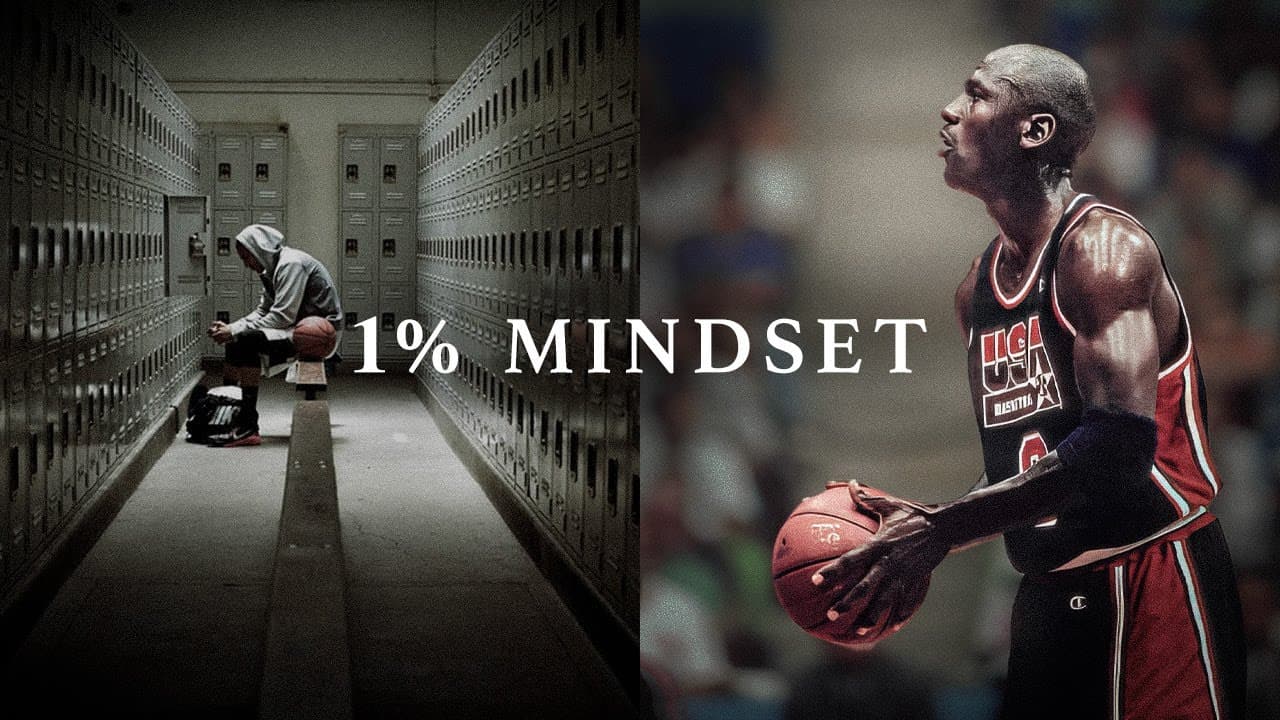
What separates legends [Applause] from the average? What separates the 1% from the rest of this world? There will come a time in your life where you will ask yourself this question. Haven't you lived here long enough? You've been in doubt and fear and uncertainty and confusion and comparison long enough. Haven't you been depressed long enough? Have... Read More
Key Insights
- The 1% mindset is about the person someone becomes, not socioeconomic background, income, or possessions. It represents a decision to reject ordinary standards, develop strong character, and pursue a meaningful vision despite fear, confusion, comparison, or previous defeat.
- Vision is the dividing line between ordinary and extraordinary behavior. Seeing beyond betrayal, rejection, anger, mistakes, and past pain allows a person to recognize future possibilities and value the destination enough to begin moving toward it.
- A growth mindset is expressed through continuous learning and improvement. People who refuse to remain average deliberately seek greater strength, treat problems as opportunities, and keep moving through failures and demoralizing setbacks that might persuade others to quit.
- A clear why is the foundation of relentless effort. Purposeful people understand their mission, believe the work must be done, and combine passion with self-awareness, confidence, curiosity, persistence, patience, and discipline to sustain their progress.
- Personal boundaries are essential to becoming the strongest version of yourself. Greatness does not mean believing you can do everything, but setting parameters around where you go, what you do, and what you accept while preserving integrity, values, and character.
- Private preparation is necessary for public authority. Beliefs shape identity, identity influences behavior, and disciplined work performed behind the scenes determines whether a person will be prepared to lead, communicate powerfully, or act effectively when a visible opportunity arrives.
- Breaking generational cycles begins when one person decides to reset inherited patterns. The person who asks, "Why not me?" can choose to confront recurring mistakes, reject the role of weakest link, and become an innovator, trailblazer, or source of change within a family.
- Discomfort is the price of entering a new life. Investments, unfamiliar territory, and sustained effort may feel painful at first, but continued commitment can produce a harvest. The future someone imagines requires surrendering the comfort, habits, and limitations of the old life.
Install to Summarize YouTube Videos and Get Transcripts
Explore YouTube Video Summarizer or Get YouTube Transcript Extractor
Questions & Answers
Q: What is the 1% mindset?
The 1% mindset is a commitment to becoming an extraordinary person rather than acquiring a particular income, car, or social position. It combines vision, purpose, resilience, humility, optimism, discipline, integrity, continuous learning, and strong self-belief. A person with this mindset refuses to remain controlled by past pain, inherited struggles, comfort, or fear of failure.
Q: How can you stop settling for an average life?
Stop settling by deciding that your current circumstances are not the limit of what is possible. Define a compelling vision, identify why it matters, and direct your attention toward the work required to reach it. Protect that priority with boundaries, leave environments built around comfort, and continue moving when investment, uncertainty, or temporary pain makes progress difficult.
Q: Why is vision important for personal growth?
Vision helps a person see beyond betrayal, rejection, arguments, anger, mistakes, and previous defeats. Without a picture of a better future, the past can remain the strongest influence on behavior. A new vision gives value to the destination, creates direction for effort, and provides a reason to endure the discomfort required for meaningful change.
Q: How should you respond to failure and setbacks?
Respond to failure by treating it as an opportunity to overcome, learn, and improve rather than as proof that the mission is impossible. Resilience means continuing after crushing disappointments and demoralizing setbacks that might cause others to quit. Focus on stored potential, remain patient and persistent, and keep developing the strength needed for the next attempt.
Q: How does purpose create relentless motivation?
Purpose creates relentless motivation by clarifying why the work matters and why abandoning it is unacceptable. People who are clear about their mission can organize their attention around a level one priority and remain devoted when comfort offers an easier alternative. Their hunger is supported by passion, self-awareness, discipline, patience, curiosity, and a belief that the responsibility belongs to them.
Q: How can someone break harmful generational cycles?
Breaking a generational cycle starts when one person decides not to repeat the mistakes, struggles, or destructive patterns carried through a family. That person accepts responsibility for pressing a reset button, confronting inherited battles, and refusing to remain the weakest link. The guiding question is "Why not me?", followed by disciplined action that matches the new identity.
Q: Why is discomfort necessary for meaningful change?
Discomfort is necessary because a better future often requires entering territory you have never experienced, making investments others may not understand, and releasing familiar habits. The beginning may feel painful and uncertain, but commitment allows effort to develop into a harvest. Limited sowing produces limited results, while substantial goals demand a substantial and sustained price.
Q: How do beliefs and identity influence behavior?
Beliefs determine what a person sees as possible, while identity connects those beliefs to daily behavior and future direction. If someone believes they are capable of breaking cycles, leading others, and reaching a higher level, they are more likely to perform the required private work. Unwavering self-belief must remain joined to integrity, values, boundaries, and disciplined preparation.
Summary & Key Takeaways
-
The 1% mindset is defined by character rather than income, possessions, or social background. It begins with refusing to remain trapped by fear, comparison, rejection, failure, or inherited struggles. A person separates from the average by choosing a new identity, seeing a better future, and accepting responsibility for pursuing it.
-
Vision and purpose give direction to relentless effort. Extraordinary people understand their why, remain focused on their mission, and treat setbacks as opportunities to grow. They combine confidence with humility, curiosity, patience, persistence, integrity, and discipline. Their private preparation creates the foundation for future authority, leadership, and visible achievement.
-
Meaningful change requires leaving comfort, entering unfamiliar territory, and paying a personal or financial price. The desired future may require investments that initially feel painful or confusing to peers. Consistent commitment eventually produces a harvest, while limited effort produces limited results. The new life requires releasing the habits of the old one.
Read in Other Languages (beta)
Share This Summary 📚
Summarize YouTube Videos and Get Video Transcripts with 1-Click
Try YouTube Summary with ChatGPT & Claude or YouTube Transcript Generator
Explore More Summaries from Motiversity 📚



Summarize YouTube Videos and Get Video Transcripts with 1-Click
Try YouTube Summary with ChatGPT & Claude or YouTube Transcript Generator