How Did a CIA Agent Survive Prison Using Spy Skills?
TL;DR
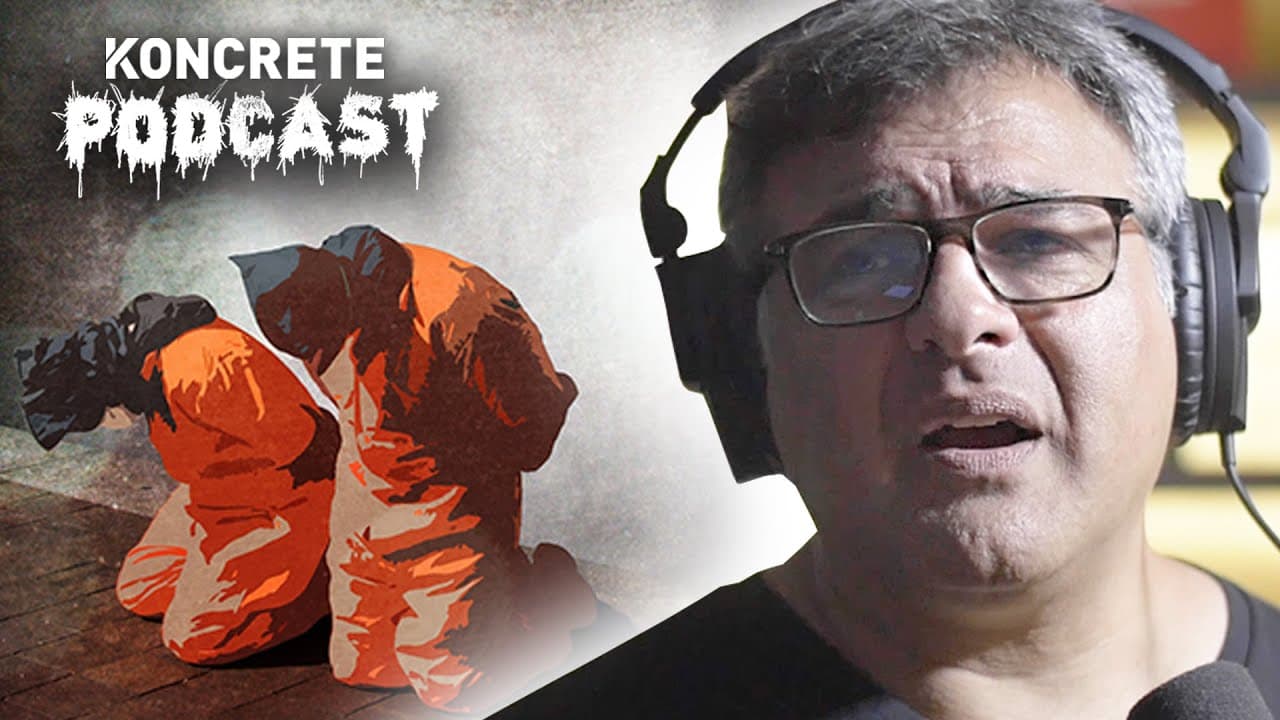
A former CIA agent, John Kiriakou, survived prison by applying his spy skills, including building rapport with inmates and navigating prison culture. He emphasizes that traditional torture methods failed to yield meaningful intelligence while advocating for humane interrogation techniques. Kiriakou's experiences highlight systemic issues within the criminal justice system, particularly the challenges faced by whistleblowers and individuals reintegrating into society after incarceration.
Transcript
and then they come back to us and they're like you know there are like 50 million people named khalid al-masri this is not the guy you're looking for and they release him but when he comes out of egypt he's got a beard down to his waist he's holding a copy of the quran and he told a reporter all he wants to do now is kill americans because that's w... Read More
Key Insights
- 🥺 U.S. funding during the Cold War to oppose the Soviets led to the empowerment of ideologies that fueled later terrorist attacks.
- 🖤 Torture methods like waterboarding lack effectiveness and are primarily punitive rather than informative, contrasting with more humane FBI interrogation tactics.
- 👨⚖️ The speaker’s legal troubles illustrate the significant risks taken by whistleblowers challenging government misconduct, highlighting systemic issues within the justice system.
- 🥺 Reintegration post-prison involves navigating complex restrictions and societal stigma, often leading to frustration and a diminished quality of life.
- 🧑🏭 Ideological framing by national security actors often justifies inhumane practices, contributing to a cycle of violence and radicalization.
- 🖤 The misuse of intelligence and lack of transparency regarding torture policies has long-lasting impacts on public trust in government agencies.
- 🚗 The notion of "heroism" within criminal contexts, such as mob culture, reflects complex dynamics of loyalty and crime in prison environments.
Install to Summarize YouTube Videos and Get Transcripts
Explore YouTube Video Summarizer or Get YouTube Transcript Extractor
Questions & Answers
Q: How did U.S. actions during the Cold War influence terrorist ideologies?
U.S. interventions, especially in funding the Afghan mujahideen against the Soviets, inadvertently radicalized groups that later formed the basis of extremist ideologies. The focus on defeating communism led to a negligence of the long-term consequences of empowering specific factions, laying groundwork for future terrorism linked to groups like al-Qaeda.
Q: What was the interviewee's experience with interrogation techniques used by the CIA?
The interviewee shared personal insights into the ineffectiveness of torture methods such as waterboarding, arguing that these techniques were more about punishment than obtaining actionable intelligence. In contrast, the FBI's rapport-based interrogation yielded critical information without resorting to violence, contrasting tactics used by the CIA.
Q: What legal challenges did the speaker face after speaking out against CIA torture practices?
After publicly denouncing the CIA's torture program, the speaker faced significant legal challenges. Although initially investigated without charges, President Obama’s administration reopened the case, leading to espionage charges against him, showcasing the dangers faced by whistleblowers challenging government policies.
Q: What was it like for the speaker to adapt to life after prison?
The speaker described life after prison as more stressful than imprisonment itself, primarily dealing with restrictions of home confinement. The challenge of reintegration into society proved difficult, especially regarding employment opportunities, as the stigma of imprisonment prevented access to certain jobs, hindering the recovery process.
Summary & Key Takeaways
-
The conversation dives into how U.S. policies, particularly during the Cold War, contributed to the rise of radical ideologies, including those of al-Qaeda. Specifically, the misuse of funds and ideologies play a critical role in shaping terrorist narratives.
-
A personal account highlights the ineffectiveness of torture techniques, such as waterboarding, stressing the FBI's successful approach to interrogation through rapport-building instead of fear-based methods, ultimately yielding crucial intelligence.
-
The speaker discusses the repercussions of speaking out against torture practices, including legal struggles and eventual imprisonment, revealing systemic issues within the governance of CIA operations and the criminal justice system.
Read in Other Languages (beta)
Share This Summary 📚
Summarize YouTube Videos and Get Video Transcripts with 1-Click
Try YouTube Summary with ChatGPT & Claude or YouTube Transcript Generator
Explore More Summaries from Danny Jones 📚

Summarize YouTube Videos and Get Video Transcripts with 1-Click
Try YouTube Summary with ChatGPT & Claude or YouTube Transcript Generator