What Is Visceral Fat and Why Is It Dangerous?
TL;DR
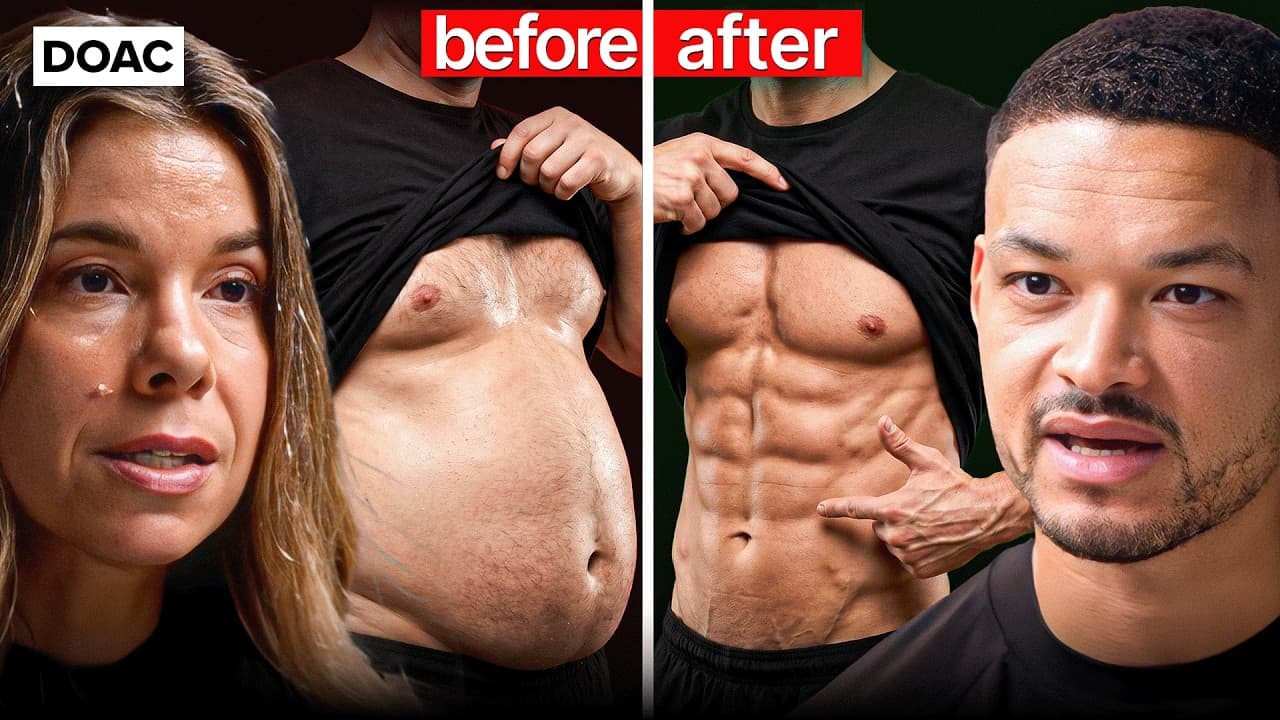
Visceral fat surrounds organs such as the liver, kidneys, and intestines, and it can accumulate even in people who look lean. High amounts are associated with double the risk of early death, greater insulin resistance, inflammation, fatigue, and brain fog. Waist circumference can provide a rough warning sign, while a DEXA scan can measure visceral fat more directly.
Transcript
Dr. Rhonda Patrick, I am fascinated by so many of the things that you talked about and they're front of mind for me at the moment because I'm a 33y old man and I know from doing this podcast and looking at graphs like this one, which we'll talk about today, which I don't think most people have ever seen in their lives, that this is the age where th... Read More
Key Insights
- Visceral fat is deep abdominal fat that surrounds organs including the liver, kidneys, and intestines, so it cannot usually be seen or pinched like subcutaneous fat. Because of its location, outward appearance and total body weight may not reveal how much visceral fat someone carries.
- Lean people can have excessive visceral fat and display metabolic biomarkers resembling those of people who are overweight or obese. This condition is described as being lean but metabolically unhealthy, showing that a slim appearance does not necessarily indicate healthy glucose regulation or low internal fat.
- Visceral fat tends to increase with age. The cited data place average male visceral fat at roughly 1.2 pounds at age 30, 1.7 pounds at 40, 2.2 pounds at 50, and 2.7 pounds at 60, with lower corresponding averages reported for women.
- High visceral fat is associated with double the risk of early death and a 44 percent greater likelihood of metastatic cancer. The proposed connection involves its metabolic activity and secretion of inflammatory cytokines, which signal the immune system and can contribute to cellular damage.
- Visceral fat promotes insulin resistance by continually breaking triglycerides into free fatty acids and failing to stop this activity in response to insulin. This interference makes it harder for insulin to direct glucose from the bloodstream into the liver, muscles, and other tissues.
- Insulin overproduction can follow when glucose remains in the bloodstream because tissues are not responding properly. The body compensates by releasing more insulin, which can then drive glucose down too far, producing an energy crash, hunger, and cravings for energy-dense foods.
- Chronic inflammation from visceral fat can contribute to tiredness, lethargy, and brain fog. Immune activation consumes energy that would otherwise support the brain, while inflammatory molecules can enter the brain and disrupt neurotransmitter function, creating a second source of cognitive impairment.
- Waist circumference is a practical proxy for excess visceral fat, with measurements of 35 inches or more for women and 40 inches or more for men presented as warning signs. A DEXA scan can measure visceral fat directly, with below 300 grams described as preferable.
Install to Summarize YouTube Videos and Get Transcripts
Explore YouTube Video Summarizer or Get YouTube Transcript Extractor
Questions & Answers
Q: What is visceral fat and where is it located?
Visceral fat is a form of deep abdominal fat that surrounds internal organs, including the liver, kidneys, and intestines. It differs from subcutaneous fat, which sits closer to the skin and can usually be pinched. Visceral fat is often called belly fat, but its hidden location means someone can carry a high amount without appearing visibly overweight.
Q: Can a thin person have too much visceral fat?
A thin person can carry excessive visceral fat despite having a low body weight or lean appearance. The discussion describes such people as lean but metabolically unhealthy. Their metabolic biomarkers may resemble those of someone who is overweight or obese, so appearance and scale weight alone cannot reliably establish whether a person has healthy levels of internal abdominal fat.
Q: Why is visceral fat considered dangerous?
Visceral fat is considered dangerous because it is metabolically active and releases inflammatory cytokines and free fatty acids. High amounts are associated in the discussion with double the risk of early death and a 44 percent greater likelihood of metastatic cancer. It also contributes to insulin resistance, fatigue, brain fog, lethargy, and increased risk of developing type 2 diabetes.
Q: How does visceral fat cause insulin resistance?
Visceral fat continually breaks stored triglycerides into free fatty acids and does not respond normally when insulin signals that energy should be stored. This activity interferes with insulin’s ability to direct glucose into the liver, muscles, and fat tissue. Glucose consequently remains in the bloodstream, and the pancreas releases additional insulin in an effort to overcome the weakened response.
Q: Why can insulin resistance cause crashes and cravings?
When tissues initially fail to respond to insulin, glucose remains in the blood and the body compensates by producing more insulin. This increased insulin output can eventually push glucose into tissues so strongly that blood glucose falls below normal levels. The resulting crash may cause low energy and hunger, prompting cravings for energy-dense foods and reinforcing the developing cycle of insulin resistance.
Q: How can visceral fat contribute to brain fog and fatigue?
Visceral fat releases inflammatory molecules that activate the immune system. Immune activation requires substantial energy, so less energy may remain available for the brain, contributing to tiredness and reduced mental sharpness. The inflammation can also reach the brain and disrupt neurotransmitters. Together, energy diversion and direct inflammatory effects can produce lethargy, fatigue, and persistent brain fog.
Q: How can someone estimate or measure visceral fat?
Waist circumference can serve as a practical proxy for excessive visceral fat. The thresholds given are 35 inches or more for women and 40 inches or more for men. A DEXA scan offers a more direct measurement and can identify excess visceral fat even in a lean person. The discussion describes less than 300 grams as desirable, with closer to zero considered better.
Q: Can poor sleep or overeating increase visceral fat risk quickly?
The cited sleep study found that healthy young men who slept four hours per night gained 11 percent more visceral fat in two weeks without gaining weight on the scale. A separate study described healthy young men consuming 1,200 additional daily calories from ultra-processed food. Within five days, they developed signs of fatty liver and became insulin-resistant.
Summary & Key Takeaways
-
Visceral fat is deep abdominal fat surrounding organs such as the liver, kidneys, and intestines. Unlike subcutaneous fat, it cannot normally be pinched or judged reliably from body size. A person may look lean while carrying an unhealthy amount, which helps explain why appearance and scale weight can conceal poor metabolic health.
-
Visceral fat is metabolically active, continually releasing free fatty acids and inflammatory signaling molecules. This activity can interfere with insulin’s ability to direct glucose into the liver, muscles, and fat tissue. The resulting overproduction of insulin may produce blood sugar crashes, hunger, cravings, declining energy, and progression toward type 2 diabetes.
-
Waist circumference offers a practical proxy for excessive visceral fat, with warning thresholds of at least 35 inches for women and 40 inches for men. A DEXA scan provides a more direct measurement. The discussion recommends having less than 300 grams and notes that sleep loss and ultra-processed overfeeding can increase metabolic risk.
Read in Other Languages (beta)
Share This Summary 📚
Summarize YouTube Videos and Get Video Transcripts with 1-Click
Try YouTube Summary with ChatGPT & Claude or YouTube Transcript Generator
Explore More Summaries from The Diary Of A CEO Clips 📚






Summarize YouTube Videos and Get Video Transcripts with 1-Click
Try YouTube Summary with ChatGPT & Claude or YouTube Transcript Generator