How Did Unsolved Mysteries Cases Get Solved?
TL;DR
Cold cases were resolved through DNA matching, public recognition, confessions, family research, and unconventional evidence such as handwriting displayed on a billboard. Although television exposure reunited separated relatives and helped identify trafficking victims, some featured cases were solved independently, and identifying a victim did not always reveal who committed the murder.
Transcript
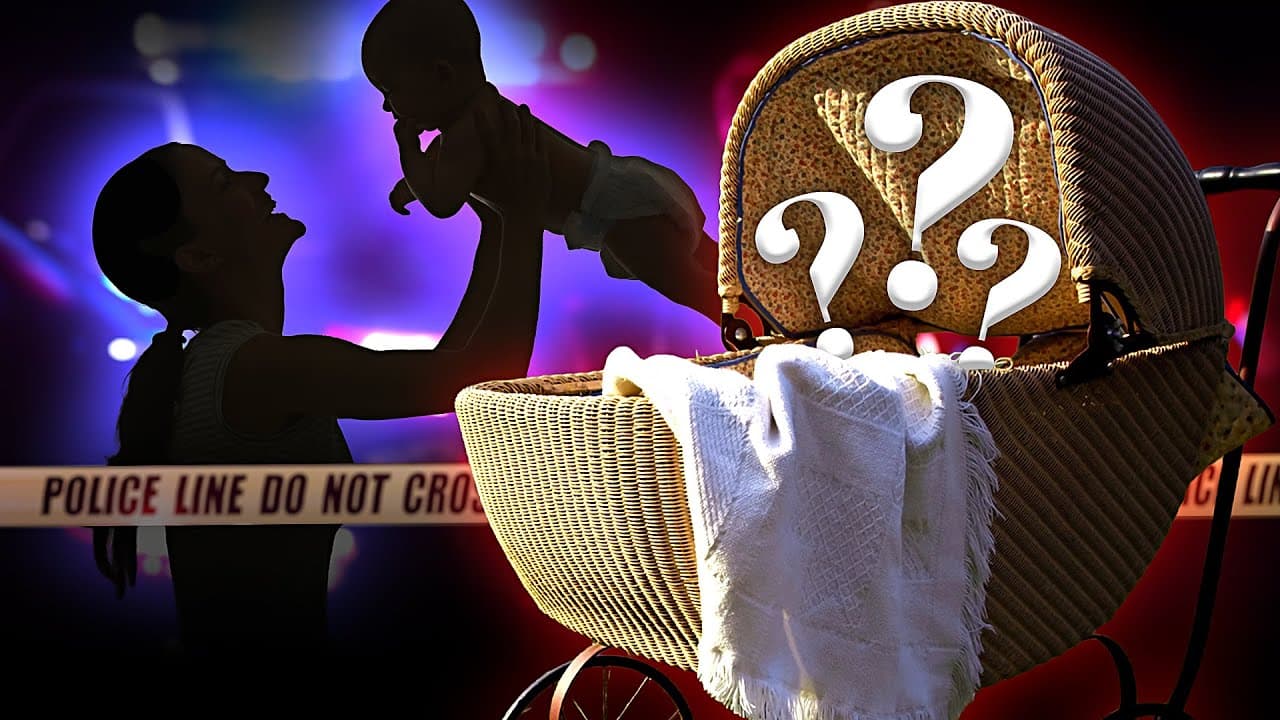
Unsolved Mysteries is a lot more than just a throwback true crime show. It's also been helping solve cold cases for almost 50 years. Georgia Tan could be described as a reverse Robin Hood with a couple of crucial differences. What she was stealing were babies, and she wasn't exactly giving them to anyone, unless you count selling babies for $750 a ... Read More
Key Insights
- Georgia Tann's trafficking operation took an estimated 5,000 babies from their parents between the 1920s and 1940s, using her position at the Tennessee Children's Home Society and support from family court judge Camille Kelley to defeat parental challenges.
- The Georgia Tann broadcast produced more than 600 calls from people who suspected they had been trafficked. At least 50 cases were resolved during the first eight months, including Lynn Hines, who was reportedly sold to a doctor at age five.
- Mia Zapata's murder was solved through DNA evidence recovered from her body. In 2002, the sample matched Jesus Mezquia, who was convicted of first-degree murder, sentenced to 36 years, and died in prison in 2021.
- Eleanor Platt and John Elias found their adopted daughter after appearing on the program. A friend of the adoptive mother recognized the story, revealing that 37-year-old Pennsylvania resident Sally Riley was the daughter originally named Rosemary.
- Joseph Mulvaney's remains were identified through his granddaughter's research and a confirming DNA sample. Shelley Statatler contacted investigators in 2017 after concluding that the skeleton discovered inside John Morris's locked trunk belonged to her grandfather, who disappeared in 1963.
- Rod Ferrell pleaded guilty to murdering Richard and Ruth Wendorf after investigators examined a local vampire cult and his relationship with their daughter. His death sentence was reduced to life imprisonment because he was 16 when the killings occurred.
- Carrie Lynn Nixon was not the girl seen in a New Kids on the Block audience video. The disappearance was resolved in 1994 when Robert Jones confessed that he had abducted, raped, murdered, and buried her near her home.
- Oba Chandler was identified after police displayed a handwritten note on a billboard. Two women compared it with contracts bearing a local contractor's handwriting, prompting an arrest two months later for the murders of Joan Rogers and her teenage daughters.
Install to Summarize YouTube Videos and Get Transcripts
Explore YouTube Video Summarizer or Get YouTube Transcript Extractor
Questions & Answers
Q: How did the Georgia Tann broadcast help trafficking victims?
The December 1989 broadcast prompted more than 600 calls from people who believed Georgia Tann might have trafficked them as children. At least 50 cases were resolved within the first eight months after the program aired. One involved Lynn Hines, who was reportedly sold to a doctor at age five. The responses helped people investigate their origins even though Tann had died in 1950.
Q: How was Mia Zapata's murder finally solved?
Investigators solved Mia Zapata's murder by matching DNA recovered from her body to Jesus Mezquia in 2002, nearly a decade after Zapata was killed on July 7, 1993. Mezquia had lived in Seattle when the crime occurred and was later living in Florida. He was convicted of first-degree murder, received a 36-year prison sentence, and died in prison in 2021.
Q: How did Eleanor Platt and John Elias find their daughter?
Eleanor Platt and John Elias appeared on Unsolved Mysteries after reuniting years following their forced separation. They hoped a viewer could locate the daughter Platt's parents had compelled her to surrender for adoption. A friend of the adoptive mother recognized the televised story. Their daughter, originally named Rosemary and then known as Sally Riley, was 37 and living in Pennsylvania when the family reunited.
Q: How were Joseph Mulvaney's remains identified?
Shelley Statatler contacted investigators in 2017 because she believed that a skeleton discovered inside a locked trunk belonged to her grandfather, Joseph Mulvaney, who disappeared in 1963. A DNA sample confirmed her conclusion. The identification resolved the victim's identity, but not the killing itself. Statatler suspected Mulvaney's wife, while the trunk had belonged to his stepson, John Morris.
Q: What happened in the Wendorf vampire cult murder case?
Richard and Ruth Wendorf were beaten to death with a metal bar in Florida in 1996. Investigators connected the crime to 16-year-old Rod Ferrell, who belonged to a group described as a vampire cult and was involved with the couple's daughter, Heather. Heather was cleared, while Ferrell pleaded guilty. His death sentence was later reduced to life imprisonment because he was 16.
Q: How was Carrie Lynn Nixon's disappearance resolved?
Carrie Lynn Nixon disappeared in 1987 at age 16. A girl seen in a New Kids on the Block audience video was initially suspected to be Nixon, but she came forward and proved she was someone else. In 1994, bank robber Robert Jones confessed that he had abducted, raped, and murdered Nixon, then buried her in a shallow grave only a few miles from her home.
Q: Did a psychic solve the John and Nancy Bosco murders?
The psychic did not solve the murders. Daniel Brinkley predicted that a young killer attending a western college would be caught in early December. In December 1993, Joseph Shadow Clark told students at George Fox College in Oregon that he had killed several people and was arrested. The program presented the later coincidence as its mystery, but the prediction itself did not produce the arrest.
Q: How did handwriting identify the killer of Joan Rogers and her daughters?
Police had a handwritten note containing directions to a hotel, and the writing did not belong to Joan Rogers or either of her teenage daughters. After years without useful leads, investigators displayed the note on a billboard. Two women compared it with contracts written by local contractor Oba Chandler. The handwriting matched, and police arrested Chandler two months later. He was executed for the murders in 2011.
Summary & Key Takeaways
-
The program generated actionable public attention in several cases. More than 600 people responded to the Georgia Tann story, helping resolve at least 50 suspected trafficking cases within eight months, while another broadcast connected Eleanor Platt and John Elias with the daughter they had been forced to surrender for adoption.
-
Forensic evidence and confessions resolved crimes that publicity alone could not. DNA identified Jesus Mezquia as Mia Zapata's killer nearly a decade after her murder, while bank robber Robert Jones admitted abducting, raping, and murdering Carrie Lynn Nixon in exchange for consideration for his wife.
-
Investigators also benefited from relatives and unusual public appeals. Shelley Statatler used DNA to identify trunk remains as her grandfather Joseph Mulvaney, though his murder remained unsolved. In another case, billboard handwriting led witnesses to contractor Oba Chandler, who was arrested for murdering Joan Rogers and her daughters.
Read in Other Languages (beta)
Share This Summary 📚
Summarize YouTube Videos and Get Video Transcripts with 1-Click
Try YouTube Summary with ChatGPT & Claude or YouTube Transcript Generator
Explore More Summaries from Grunge 📚

Summarize YouTube Videos and Get Video Transcripts with 1-Click
Try YouTube Summary with ChatGPT & Claude or YouTube Transcript Generator