Why Is When a Woman Ascends the Stairs So Bleak?
TL;DR
Mikio Naruse’s 1960 drama portrays economic dependence, aging, and compulsory cheerfulness as traps that leave its heroine with no safe choice. Through restrained direction, smoky black-and-white images, nighttime music, and Hideko Takamine’s expressive performance, the film turns a Ginza hostess’s daily ascent to work into a symbol of endurance without meaningful escape.
Transcript
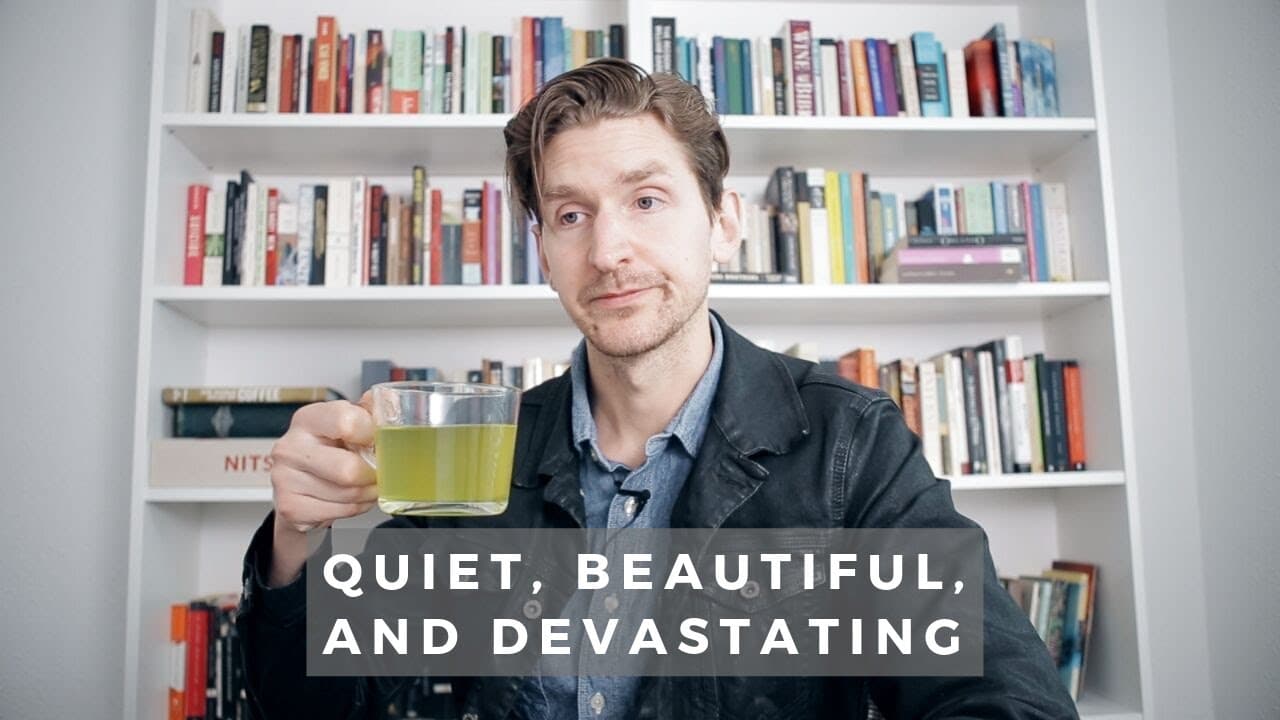
hi-oh gozaimasu good morning everyone welcome the been on the food I'm your host cliff Sargent I'll be doing well great to see you as always let's talk about a film look at this a very generous fan and patron of the show send me some green tea from Kyoto I think he actually went on a trip and got it and then sent it to me that's so cool thanks very... Read More
Key Insights
- The staircase is both a physical route to Keiko’s workplace and a symbol of her repetitive struggle. Every ascent returns her to a demanding environment, creating the impression of upward movement while leaving her trapped in the same economic and emotional circumstances.
- Keiko’s central dilemma is whether to remarry or establish her own bar. Neither option offers dependable freedom, because marriage exposes her to deceptive men while business ownership can produce crushing debt, as demonstrated by another woman who appears successful but is financially ruined.
- Ginza’s hospitality culture requires Keiko to manufacture cheerfulness while suppressing distress. She drinks with customers, laughs at their jokes, resists unwanted advances, and hides her anxiety, creating a stark divide between the bar’s festive surface and the pain experienced by its workers.
- Money is a relentless pressure that distorts relationships and weakens compassion. Debt drives anxiety throughout the story, and a woman who seems prosperous after opening a bar reveals that she is financially overwhelmed before discussing a fake suicide and ultimately killing herself.
- Aging is an economic and emotional threat within Keiko’s profession because appearance is treated as essential in Ginza. At 30, she fears losing her youth and therefore losing options, connecting personal insecurity with a workplace that places exceptional value on youthful looks.
- Keiko’s physical illness reflects the costs of her working life. The stress and continual drinking become so severe that she gets drunk and vomits blood because of an ulcer, turning her concealed emotional strain into an unmistakable bodily consequence.
- Naruse’s restrained style creates complexity without dramatic excess. Quiet pacing, careful composition, occasional voiceover, smoky black-and-white photography, and Hideko Takamine’s expressive acting reveal an intense emotional current beneath behavior that can initially appear formal, simple, or dated.
- The ending offers endurance instead of resolution. After learning that a seemingly kind marriage prospect is a deceptive womanizer, Keiko drinks, acknowledges her despair, and still returns to work, now forced to conceal an even clearer understanding of how limited her choices remain.
Install to Summarize YouTube Videos and Get Transcripts
Explore YouTube Video Summarizer or Get YouTube Transcript Extractor
Questions & Answers
Q: What is When a Woman Ascends the Stairs about?
The film follows Keiko, a 30-year-old widow nicknamed Mama, who works as a hostess in Tokyo’s Ginza district. She feels trapped between two possible futures, remarrying or opening her own bar. Both paths are compromised by debt, dishonest men, social expectations, workplace drinking, fear of aging, and the need to hide suffering behind professional cheerfulness.
Q: What do the stairs symbolize in the film?
The stairs lead to the bar where Keiko works, but they also represent her recurring struggle to improve her life. Her upward movement does not bring lasting progress. Instead, each ascent returns her to the same pressures, including drinking, financial insecurity, unwanted advances, and compulsory friendliness. The image suggests a repetitive effort that demands endurance without guaranteeing escape.
Q: Why is Keiko trapped between marriage and opening a bar?
Marriage and business ownership appear to be Keiko’s main alternatives to continuing as a hostess, yet neither is secure. A man who proposes marriage is exposed by his wife as a deceptive womanizer. Opening a bar requires money and can create severe debt, as shown by a woman whose apparent success conceals financial ruin and ends in suicide.
Q: How does the film portray work in Ginza bars?
The film presents Ginza bar work as an exhausting performance. Keiko must drink with businessmen, laugh at their jokes, maintain an appealing appearance, and resist their advances while seeming cheerful. Behind that public fantasy are illness, intoxication, financial anxiety, grief, and fear of getting older. Her ulcer and blood vomiting reveal the physical consequences of that strain.
Q: Why is money so important to the film’s story?
Money determines Keiko’s available choices and repeatedly undermines apparent opportunities. She needs financial security but remains dependent on work that damages her health and dignity. A colleague who opens her own bar looks successful, yet privately admits that she is deeply in debt. Financial pressure makes relationships less compassionate and turns independence into another possible source of desperation.
Q: How does aging affect Keiko’s situation?
Keiko fears aging because appearance is treated as crucial in the Ginza environment where she works. At 30, she believes that losing her youthful looks may reduce both her earning power and her chances of finding another life. Her anxiety therefore concerns more than vanity. It reflects a system that links a woman’s security and opportunities to her appearance.
Q: What makes the film visually and emotionally effective?
The film combines measured pacing, careful composition, smoky black-and-white cinematography, nighttime settings, and a xylophone-like jazz lounge soundtrack. Occasional voiceover provides access to Keiko’s private thoughts, while Hideko Takamine’s restrained performance communicates grief hidden beneath professional composure. These elements reveal deep emotional turbulence without relying on loud or exaggerated dramatic presentation.
Q: Does When a Woman Ascends the Stairs have a hopeful ending?
The ending provides no clear rescue or major improvement for Keiko. Her potential marriage collapses when the proposer’s wife reveals that he is a habitual womanizer. Keiko responds by drinking and expressing a desire to drink until she dies, yet she ultimately continues working. The conclusion emphasizes survival, concealment, and endurance rather than transformation or relief.
Summary & Key Takeaways
-
Keiko, a 30-year-old widow nicknamed Mama, works as a hostess in Tokyo’s Ginza district. Her realistic options appear to be remarriage or opening her own bar. Each requires compromises shaped by money, social expectations, unwanted attention, and an occupation that depends heavily upon maintaining a cheerful appearance.
-
The film contrasts Ginza’s lively public atmosphere with Keiko’s private suffering. Drinking with businessmen, laughing at jokes, and creating a pleasant fantasy conceal illness, debt, grief, and fear of aging. Her ulcer, a colleague’s suicide, and a deceptive marriage proposal demonstrate how repeatedly hope gives way to harsher realities.
-
Naruse presents this suffering with quiet direction, measured pacing, nocturnal black-and-white cinematography, and a jazz lounge soundtrack. Takamine’s performance and occasional interior voiceover reveal emotions hidden behind Keiko’s professional composure. The reviewer finds the film beautiful, deeply depressing, deceptively complex, and capable of inspiring empathy across time and culture.
Read in Other Languages (beta)
Share This Summary 📚
Summarize YouTube Videos and Get Video Transcripts with 1-Click
Try YouTube Summary with ChatGPT & Claude or YouTube Transcript Generator
Explore More Summaries from Better Than Food 📚




Summarize YouTube Videos and Get Video Transcripts with 1-Click
Try YouTube Summary with ChatGPT & Claude or YouTube Transcript Generator