Was Kamala Harris Chosen Due to DEI Politics?
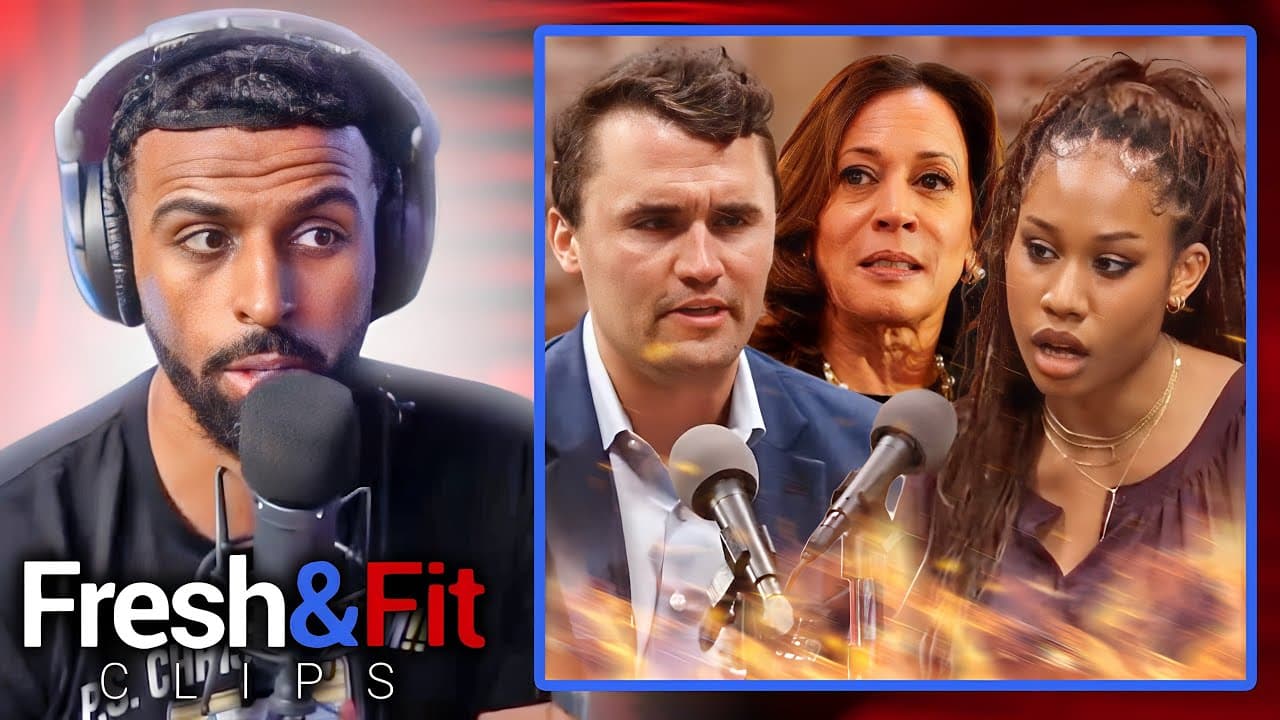
TL;DR
Kamala Harris's selection as Vice President is criticized as being driven by identity politics rather than merit. Critics argue that the Democratic Party prioritizes diversity and optics over candidate competency, suggesting that this approach could undermine political effectiveness. Supporters, however, contend that her professional qualifications and policy positions should be recognized, regardless of her race and gender.
Transcript
my next claim is that KLA Harris is a Dei candidate oh [ __ ] a lot of competition Mason yeah exactly good to see you good to see you again um can I define what a Dei candidate is I I think that you're gonna say because she's black and she's a woman she's appointed because Joe Biden promised that and it's is not a testament to her not only that but... Read More
Key Insights
- 💖 The notion of DEI candidates has sparked significant debate over claims of tokenism versus genuine inclusivity in political nominations.
- 🧘 Critics argue that dependent choices based on identity over competency could undermine the credibility of elected positions.
- 🤨 Harris's selection as VP raises questions about how diversity politics shape perceptions of effectiveness in leadership roles.
- 🧘 Supporters assert that Harris's professional journey should not be overshadowed by her race and gender, insisting her policy positions matter.
- 🤪 The impact of identity politics on voter behavior reveals a divide in perceptions that may influence electoral outcomes going forward.
- 🥳 Conversations about Harris highlight a broader trend within the Democratic Party to appeal to minority voters, indicating a dilemma between party loyalty and candidate competency.
- 🤨 The implications of this dialogue extend beyond Harris, raising concerns about how future candidates will navigate similar issues in a rapidly evolving political landscape.
- 🎙️ More videos with Charlie Kirk:
Install to Summarize YouTube Videos and Get Transcripts
Explore YouTube Video Summarizer or Get YouTube Transcript Extractor
Questions & Answers
Q: What criteria did Joe Biden publicly state he would use for selecting a VP?
Joe Biden explicitly mentioned that he would choose a black woman as his Vice President, which has been interpreted by critics as prioritizing identity over the candidate's qualifications. This statement shaped the nomination process, influencing opinions that Kamala Harris was selected primarily to fulfill this criterion, leading to discussions about diversity politics.
Q: Why do some argue that Kamala Harris is a "Diversity, Equity, and Inclusion" (DEI) candidate?
Critics argue that Kamala Harris's candidacy exemplifies DEI principles because her selection was influenced more by her race and gender than her political achievements. They suggest that her nomination reflects a commitment to identity politics by the Democratic Party, focusing on maintaining diversity on their ticket rather than choosing candidates based solely on merit.
Q: What arguments are presented regarding Kamala Harris's political performance?
Detractors highlight that Harris's time as attorney general and senator did not significantly lower crime rates or improve conditions in California, suggesting her record is lacking. They argue that her selection as VP is independent of her actual capabilities as a leader, underscoring concerns over her qualifications in light of the challenges faced by voters in her constituency.
Q: How do supporters defend Kamala Harris amid criticisms of her nomination?
Supporters argue that Harris's qualifications cannot be dismissed outright despite claims she was chosen for identity reasons. They cite her career and the notable aspects of her presidency that resonate with voters. Her supporters often contend that inclusivity does not equate to incompetency, highlighting that diverse candidates can also excel in their roles.
Q: How has the discussion around Harris's selection been affected by wider voter sentiments?
Voter feelings towards Harris are complex, with some polls suggesting she beats Trump, which some interpret as a sign of her capability. However, others argue that polls can be misleading and do not always reflect genuine voter preferences on election day, indicating a significant gap between public perception and actual electoral outcomes.
Q: What implications do these discussions have for future Democratic candidates?
The ongoing dialogue about Kamala Harris raises critical questions for future candidates regarding how they will be perceived in terms of their qualifications versus their identity. It suggests that any commitment to diversity in leadership may face scrutiny, impacting how political parties select candidates, especially in a polarized political climate.
Summary & Key Takeaways
-
The discourse highlights the perception that Kamala Harris was selected as Vice President primarily due to her race and gender rather than her qualifications, argued within the context of diversity and inclusion expectations in politics.
-
Critics claim that her selection represents a focus on "identity politics," asserting that the Democratic Party prioritizes optics over merit, leading to the conclusion that competent candidates are overlooked for meeting diversity quotas.
-
The debate touches on broader issues of political competency and how voter perspectives may be influenced by party allegiance rather than a candidate’s qualifications or performance records.
Read in Other Languages (beta)
Share This Summary 📚
Summarize YouTube Videos and Get Video Transcripts with 1-Click
Try YouTube Summary with ChatGPT & Claude or YouTube Transcript Generator
Explore More Summaries from FreshandFit 📚

Summarize YouTube Videos and Get Video Transcripts with 1-Click
Try YouTube Summary with ChatGPT & Claude or YouTube Transcript Generator