How Did Ancient Romans Use Lead Acetate as a Sweetener?
TL;DR
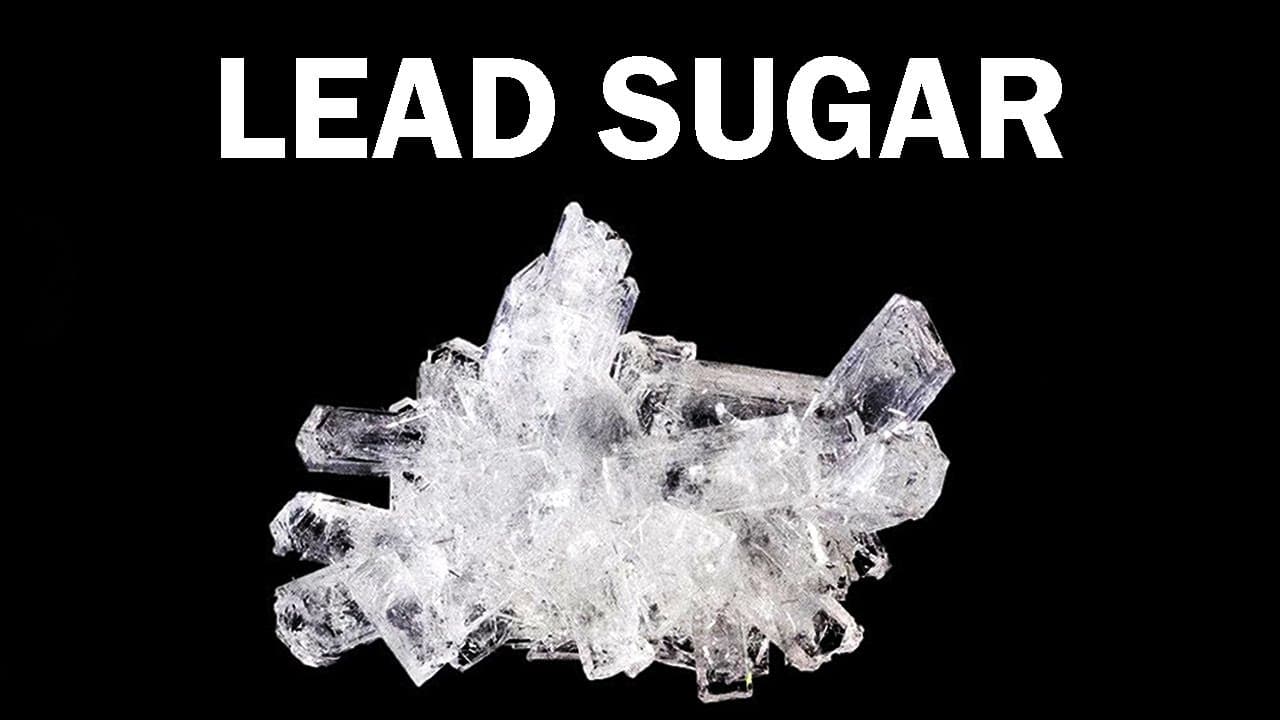
Ancient Romans used lead acetate, a toxic compound, to create a sweet syrup called sapa from boiled grape juice, which resembled sugar. While it was initially thought to sweeten wine, lead acetate’s main role was to kill microbes, preventing spoilage. Its use in medicine declined due to toxicity, and now it has limited modern applications.
Transcript
let is a toxic element and it's generally known to be avoided for survival purposes you would expect to lead compounds to taste bitter and terrible but weirdly enough a lot of them are pleasantly sweet the most famous one is probably lead acetate which has kind of had an interesting history the ancient Romans used to make a syrupy sweetener called ... Read More
Key Insights
- 😒 Lead acetate, despite its toxicity, has a sweet taste that led to its use as a sweetener by the ancient Romans.
- 😒 The use of lead acetate in wine was not to sweeten it, but rather to prevent spoilage by killing microbes.
- 🥺 Lead acetate was commonly used in medicine in the 19th century to treat intestinal problems, but its toxic nature led to its decline.
- 🫢 Modern uses of lead acetate are limited, mainly in hair coloring products and for detecting poisonous gases.
Install to Summarize YouTube Videos and Get Transcripts
Explore YouTube Video Summarizer or Get YouTube Transcript Extractor
Questions & Answers
Q: How did lead acetate end up being used as a sweetener?
The ancient Romans used lead acetate crystals formed from boiling grape juice in lead pots, resulting in a syrupy sweetener called sapa that resembled sugar.
Q: Was lead acetate deliberately added to wine to sweeten it?
No, the addition of lead acetate to wine was not intended to sweeten it. It was added to prevent spoilage by killing microbes, although it sometimes resulted in poisoning.
Q: How was lead acetate used in medicine?
In the 19th century, lead acetate was commonly used in medicine to treat intestinal problems like diarrhea, as it was effective in small doses. However, its use declined due to its toxicity.
Q: What are some modern uses of lead acetate?
Lead acetate has limited modern uses, such as in some men's hair coloring products and to detect poisonous hydrogen sulfide gas. It is also used to make the high explosive lead azide.
Summary & Key Takeaways
-
Lead acetate was used by the ancient Romans to create a syrupy sweetener called sapa, which looked and tasted like sugar.
-
Lead acetate was also added to bottles of wine to prevent spoilage by killing microbes, although it sometimes resulted in poisoning.
-
Lead acetate was commonly used in medicine in the 19th century to treat intestinal problems, but its use has declined due to its toxicity.
Read in Other Languages (beta)
Share This Summary 📚
Summarize YouTube Videos and Get Video Transcripts with 1-Click
Try YouTube Summary with ChatGPT & Claude or YouTube Transcript Generator
Explore More Summaries from NileRed 📚


Summarize YouTube Videos and Get Video Transcripts with 1-Click
Try YouTube Summary with ChatGPT & Claude or YouTube Transcript Generator