How Did Philip II Make Macedon a Military Power?
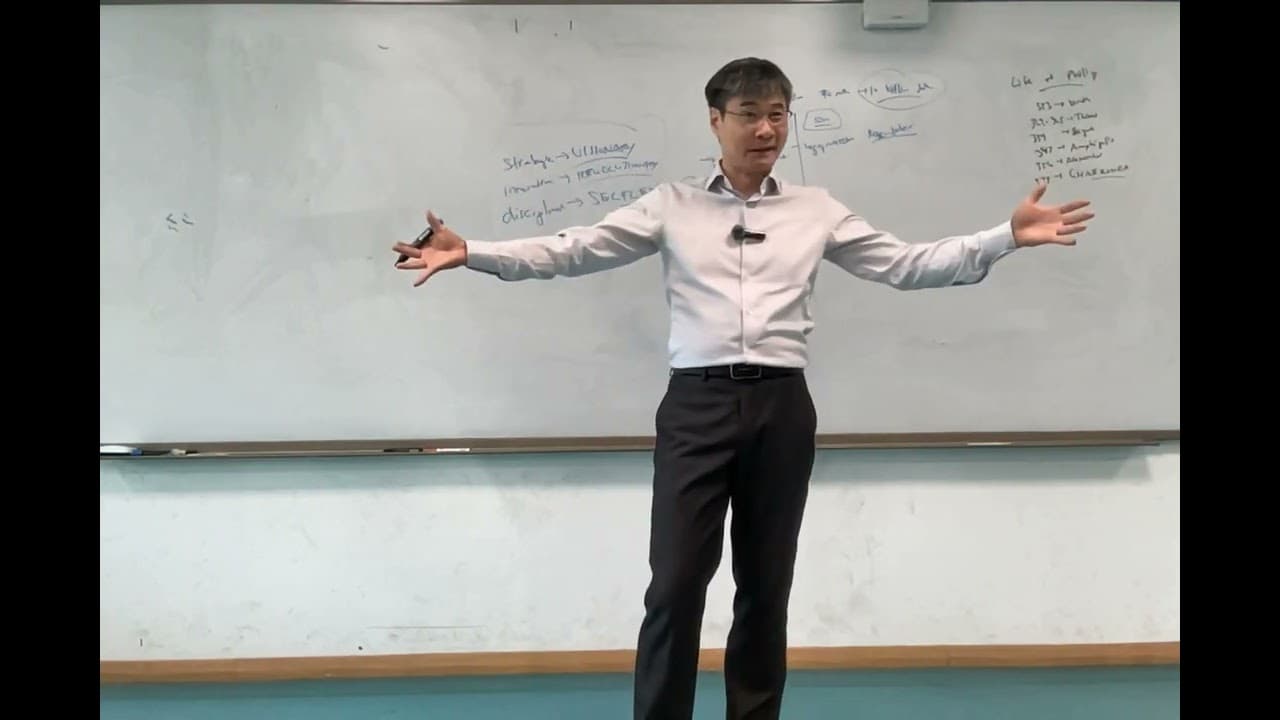
TL;DR
Philip II transformed poor, weak, and divided Macedon by studying Theban military innovations, enforcing training and discipline, and earning loyalty through bravery, fairness, and persuasive speech. His methodical combination of diplomacy and aggression united classical Greece and created the military foundation that his son Alexander used to conquer Persia.
Transcript
okay um so today we will be discussing how Greek culture spread around the world and how it came to dominate uh the Western World and became the basis of Western Civilization now normally um westerners understood this process as one of diffusion meaning that Greek civilization was the best and so everyone wanted um access to it okay so it spread be... Read More
Key Insights
- Philip II was the principal builder of the Macedonian military that Alexander later used to conquer Persia. The lecture argues that Alexander gained greater fame because he expanded an organization whose essential capacity, discipline, and structure had already been created by his father.
- Macedon was historically poor, weak, and divided before Philip transformed it into the military hegemony capable of uniting classical Greece. Its rise challenges the assumption that established Greek powers such as Athens or Sparta were naturally destined to lead wider conquest.
- Philip learned from Thebes while living there as a hostage during his youth. He studied the military innovations that had made Thebes the dominant Greek military power and applied lessons about training, discipline, mobility, coordination, and flexibility to Macedon's forces.
- Effective founders are innovative, visionary, fair, and disciplined according to the lecture's business analogy. They build organizations from nothing by communicating a compelling goal, recruiting capable people, rewarding talent rather than personal friendship, and demonstrating greater commitment than those who serve them.
- Successful heirs can differ sharply from successful founders because expansion rewards aggression, risk-taking, loyalty, and the pursuit of personal glory. The lecture presents Alexander as an heir who sought to prove himself greater than his father by using an already powerful military organization.
- Transformative leaders are strategic to the point of being visionary, innovative to the point of being revolutionary, and disciplined to the point of selflessness. Their long-term plans, willingness to change existing social structures, and obsessive commitment distinguish them from ordinary political or military leaders.
- Philip earned loyalty through bravery, fairness, and persuasive oration. These qualities reinforced military discipline because his men could see personal courage, trust his treatment of ability, and understand the larger vision that their coordinated effort was intended to achieve.
- Philip united classical Greece slowly and methodically through a mixture of diplomacy and aggression. His achievement was not merely a sequence of battlefield victories, but the construction of military capacity, loyalty, political influence, and strategic conditions that made Alexander's later Persian campaign possible.
- More videos from this channel:
- More from this channel: Predictive History
Install to Summarize YouTube Videos and Get Transcripts
Explore YouTube Video Summarizer or Get YouTube Transcript Extractor
Questions & Answers
Q: How did Philip II transform Macedon into a military power?
Philip II transformed Macedon through military learning, intensive training, discipline, leadership, diplomacy, and aggression. After studying Theban innovations while held there as a hostage, he developed forces capable of mobility, coordination, and flexibility. He also inspired loyalty through bravery, fair-mindedness, and persuasive oration. This gradual, methodical program turned a poor, weak, divided kingdom into the dominant military power in Greece.
Q: What did Philip II learn while he was a hostage at Thebes?
Philip II studied the innovations that had made Thebes the dominant military power in Greece at that time. He learned that sufficient training and discipline could produce an army with superior mobility, coordination, and flexibility. These were practical organizational lessons rather than a simple reliance on wealth or inherited strength, and they later helped him build Macedon into a formidable military power.
Q: Why does the lecture give Philip II more credit than Alexander?
The lecture gives Philip more credit because he created the military organization and capacity that made later conquest possible. Its business analogy compares Philip to a father who builds a company from nothing and Alexander to a son who transforms a large inheritance into something much bigger. Alexander achieved spectacular expansion, but he began with the powerful army and political foundation established by Philip.
Q: How were Philip II and Alexander the Great different as leaders?
Philip is presented as a founder who relied on innovation, vision, fair treatment of talent, disciplined work, and commitment to a larger objective. Alexander is presented as an expanding heir driven more by aggression, unusual risk-taking, personal loyalty, and the pursuit of glory. The contrast explains how Philip built Macedonian capacity while Alexander used that inheritance to undertake the conquest of Persia.
Q: What leadership qualities helped Philip II earn loyalty?
Philip earned loyalty through bravery, fair-mindedness, persuasive speaking, discipline, and a compelling vision. The lecture argues that strong founders attract followers by communicating future possibilities, treating capable people fairly, promoting talent, and working harder than everyone around them. Philip's personal courage and conduct therefore supported the organizational discipline and commitment required to strengthen Macedon's army.
Q: How did military discipline contribute to Macedon's rise?
Military discipline enabled Macedon's army to develop the mobility, coordination, and flexibility needed to dominate opponents. Philip's lesson from Thebes was that these capabilities could be produced through enough training rather than depending only on existing wealth or prestige. Discipline allowed soldiers to operate as an effective organization, helping a historically poor, weak, and divided kingdom become Greece's leading military power.
Q: How did Philip II unite classical Greece?
Philip united classical Greece slowly and methodically by combining diplomacy with aggression. His approach was not described as conquest through force alone. He first developed a disciplined and flexible military, cultivated loyalty through bravery and fairness, and then used both negotiation and coercive power to extend Macedonian control. The resulting unity prepared the political and military foundation for Alexander's conquest of Persia.
Q: Why can a poor country conquer a richer country?
The lecture presents the repeated conquest of rich countries by poor countries as a historical problem that cannot be explained by wealth and technology alone. Its comparison of North and South Korea highlights contrasts in poverty, technological development, dictatorship, and democracy. Although the provided discussion does not complete the explanation, Philip's case emphasizes how disciplined organization, training, coordination, flexibility, and strategic leadership can offset material weakness.
Summary & Key Takeaways
-
Philip II, rather than Alexander, built the military organization that made Macedonian expansion possible. The lecture compares their relationship to a founder who creates a successful company and an heir who expands it dramatically. This framework distinguishes the difficult work of building capacity from the more celebrated achievement of using it for conquest.
-
Philip learned during his youth as a hostage at Thebes, then the dominant military power in Greece. He studied Theban innovations and recognized that intensive training and discipline could give an army exceptional mobility, coordination, and flexibility. These qualities enabled organized soldiers to defeat rivals and helped Macedon overcome its earlier weakness and division.
-
Philip strengthened Macedon gradually through a calculated mixture of diplomacy and aggression. He also inspired loyalty through personal bravery, fair-minded treatment, persuasive oration, and recognition of talent. By methodically uniting classical Greece and creating its strongest military, Philip prepared the forces and political conditions that Alexander later used against Persia.
Read in Other Languages (beta)
Share This Summary 📚
Summarize YouTube Videos and Get Video Transcripts with 1-Click
Try YouTube Summary with ChatGPT & Claude or YouTube Transcript Generator
Explore More Summaries from Predictive History 📚



Summarize YouTube Videos and Get Video Transcripts with 1-Click
Try YouTube Summary with ChatGPT & Claude or YouTube Transcript Generator