Do Rappers Really Worship the Devil in Their Music?
TL;DR
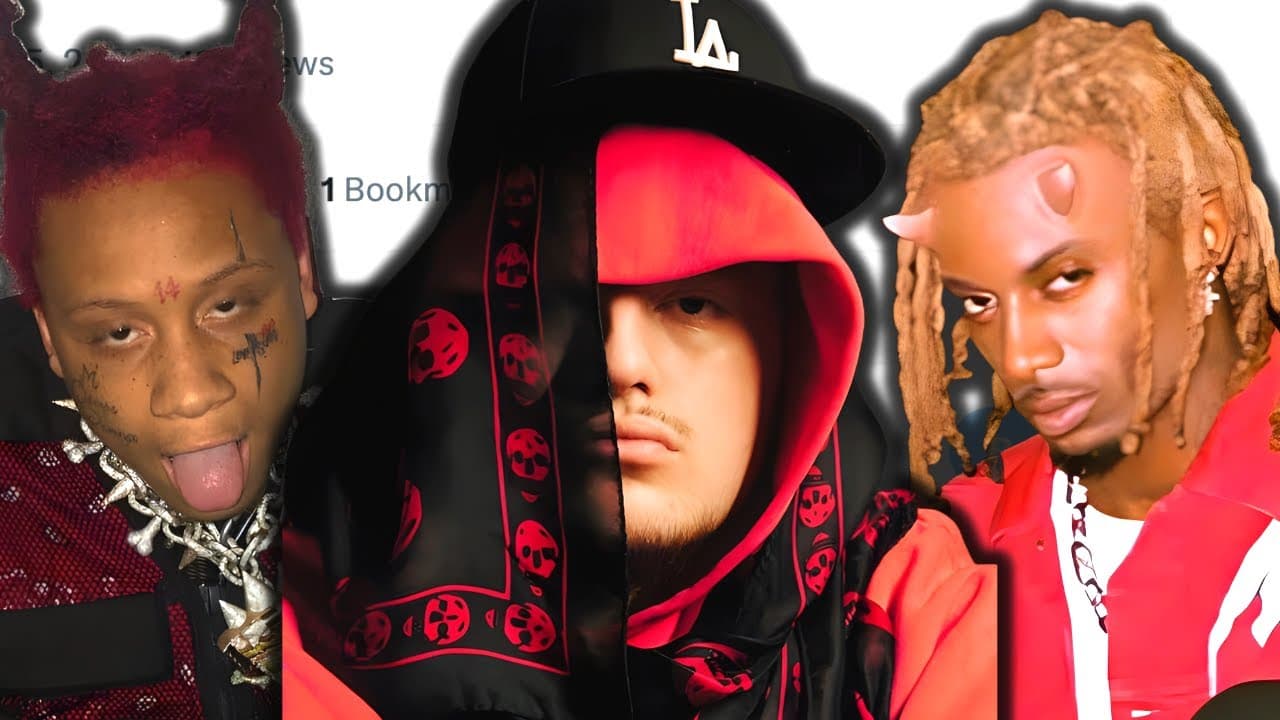
Rappers, including Ye, Playboy Cardi, and Trippie Redd, often incorporate devil references in their music as a provocative artistic strategy rather than genuine worship. These symbols and lyrics are frequently used to spark controversy, enhance their image, and engage listeners while blurring the lines between performance and authenticity.
Transcript
musicians are known for using various Aesthetics to promote their music but rappers in particular are known for taking it to the extreme whether it's face TS dyed hair crazy looks or in some cases even references to the Devil Himself and recently alluding to devil worshipping has become somewhat of a popular Trend among rappers like ye Playboy card... Read More
Key Insights
- 😒 Rappers often use devil imagery as a marketing strategy, intentionally provoking discussion and controversy to boost their visibility and appeal.
- 😃 Ye's references to devil worship are interwoven through his music, presenting a narrative of conflict that resonates with listeners.
- 🤞 The gradual shifts in artist aesthetics indicate broader trends within hip-hop, reflecting changes in audience perception and acceptance of occult themes.
- 🥹 Many rappers claim their devilish themes are exaggerated performances, challenging the idea that they hold any genuine beliefs about the devil.
- 🎼 The examination of tattoo symbolism highlights the deeper connections between personal identity and public personas in the music industry.
- 😈 Collaborations and features with other artists often amplify devil imagery, suggesting a communal aspect of this controversial aesthetic.
- 🪭 The reactions from fans regarding satanic references reveal the complex nature of celebrity influence and societal values concerning spirituality.
Install to Summarize YouTube Videos and Get Transcripts
Explore YouTube Video Summarizer or Get YouTube Transcript Extractor
Questions & Answers
Q: What role does imagery play in rappers' music regarding devil worship?
Imagery plays a significant role as it serves not only as a visual expression of the artists' themes but also contributes to their branding and marketing. Through provocative symbols like pentagrams, and devil horns, artists engage audiences and stimulate discussion while projecting a rebellious image. For instance, Ye's album covers featuring demonic shadows suggest internal struggles between good and evil, serving as rich content that fans and critics can analyze.
Q: How does Ye's portrayal of devil references evolve through his music?
Ye’s references to the devil have grown progressively more explicit, starting with ambiguous imagery to later lyrics that illustrate a struggle with and an apparent acceptance of these dark themes. For example, his earlier works included subtle hints through album art, while later albums feature lyrics directly proclaiming his connection to the devil, such as claiming he spoke to the devil for guidance. This evolution raises the question of whether these references are genuine beliefs or an artistic narrative to captivate audiences.
Q: Have any rappers made statements clarifying their relationship to devil worship?
Yes, some rappers, like Trippie Redd, have denied genuine connections to devil worship, attributing their use of satanic symbols to aesthetic choices and cultural expressions rather than spiritual beliefs. In various interviews, Trippie emphasized that his references are more about artistic identity and his experiences rather than actual devotion to any sinister forces. This shows a clear distinction between artistry and sincerity in their public personas.
Q: What does the content suggest about the impact of devil imagery on rap music marketing?
The content suggests that devil imagery functions as a powerful marketing tool within the rap industry. By integrating shocking symbols, artists capture audience attention and provoke discussions, driving interest in their work. This tactic often leads to viral moments and increased streaming, as fans are drawn to the controversy and curiosity surrounding the artists' alleged beliefs, which can be financially beneficial while also serving artistic expression.
Summary & Key Takeaways
-
The content discusses how various rappers, especially Ye, incorporate devil references and symbolism into their music and aesthetics, suggesting a deeper connection with themes of occultism and worship.
-
It highlights specific instances from artists like Ye, Playboy Cardi, and Trippie Redd, examining their lyrics, album art, and tattoos that reference the devil or satanic themes, raising questions about authenticity versus marketing.
-
The narrative posits that these references may be a strategic choice to provoke controversy, garner attention, and define their artistic identities rather than genuine acts of devil worship.
Read in Other Languages (beta)
Share This Summary 📚
Summarize YouTube Videos and Get Video Transcripts with 1-Click
Try YouTube Summary with ChatGPT & Claude or YouTube Transcript Generator
Explore More Summaries from rishavfash1r 📚
Summarize YouTube Videos and Get Video Transcripts with 1-Click
Try YouTube Summary with ChatGPT & Claude or YouTube Transcript Generator