How Does Trauma Shape Health and Addiction?
TL;DR
Trauma is an unhealed psychological wound that disconnects people from their emotions, bodies, and authentic selves. Healing begins with curiosity about the pain beneath symptoms, relationship problems, depression, anxiety, or addiction, followed by reconnection with suppressed feelings and bodily signals rather than focusing only on eliminating visible symptoms.
Transcript
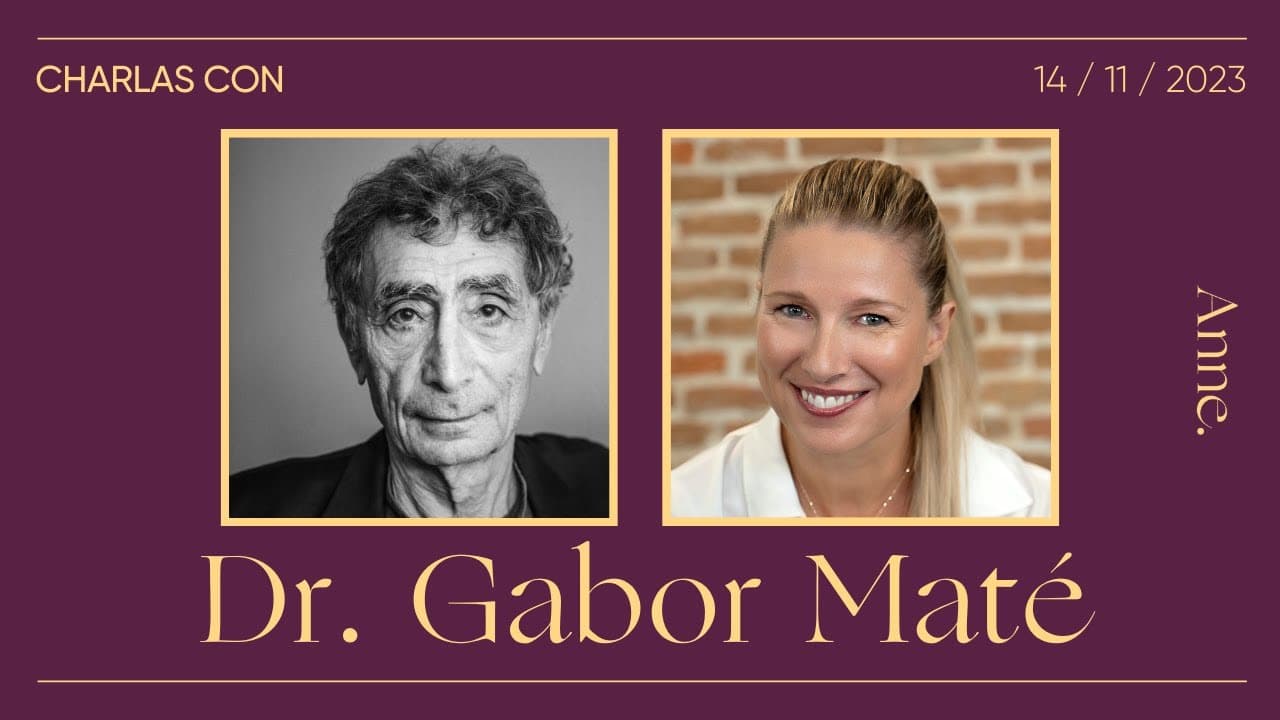
for thanks for having me thanks for joining us it's a pleasure we want to talk about this this is this is uh everything is or almost everything is in here everything is written here it's a hard work and uh important uh research on trauma something that you've been telling us for a long time and finally you found the good moment the right partner to... Read More
Key Insights
- Trauma is an unhealed wound to the psyche, soul, mind, or emotions. Like a physical wound, it continues to hurt when it does not heal, leading people either to act from pain or protect themselves against experiencing more pain.
- Disconnection from the self is a central consequence of trauma. People may lose contact with gut feelings, emotions, bodily experiences, and the present moment because remaining connected to their inner experience feels too painful.
- Emotional suppression can begin when children believe that expressing anger, fear, or sadness threatens their relationships with caregivers. Because those relationships are necessary for survival, children may automatically push emotions down and sacrifice authenticity to preserve attachment.
- A protective childhood adaptation can become a source of adult distress. The disconnection that once helped a child maintain essential relationships may later generate chronic stress, distorted reactions, difficulty recognizing feelings, and a life organized around avoiding pain.
- Addiction is any repeatedly craved behavior that provides temporary pleasure or relief, causes harmful consequences, and remains difficult to stop. Examples given include drugs, sex, gambling, pornography, shopping, eating, self-cutting, and work.
- Addiction is presented as an attempted solution rather than the original problem. Its benefits may include pain relief, reduced stress, connection, aliveness, or control, so understanding addiction requires investigating the emotional pain that made those effects necessary.
- A personal crisis can create the curiosity needed for healing. Illness, divorce, anxiety, depression, addiction, or persistent unhappiness may prompt someone to examine how their beliefs, behavior, emotional history, and protective patterns contribute to their present experience.
- Bodily symptoms can be treated as signals as well as problems requiring relief. Removing a migraine or another symptom may be appropriate, but healing also involves asking what the body could be communicating about stress, suppressed emotions, or disconnection from the self.
Install to Summarize YouTube Videos and Get Transcripts
Explore YouTube Video Summarizer or Get YouTube Transcript Extractor
Questions & Answers
Q: What is trauma and how does it affect a person?
Trauma is an unhealed wound to the psyche, soul, mind, or emotions. It can lead people to act from pain or build protective behaviors intended to prevent more pain. Its central effect is disconnection from emotions, bodily sensations, gut feelings, and the present moment. That disconnection can contribute to stress, relationship problems, exaggerated reactions, emotional suppression, and physical illness.
Q: How does childhood trauma cause disconnection from the self?
Childhood disconnection can develop when a child learns that expressing anger, fear, sadness, or another authentic emotion threatens acceptance by caregivers. Because the child depends on those relationships for survival, suppressing feelings becomes protective. The process is often automatic rather than conscious. Later, the person may continue hiding emotions, struggling to identify genuine feelings, or living according to others' expectations.
Q: Why can a survival mechanism become harmful in adulthood?
A protective response may help a child preserve necessary relationships by suppressing emotions that caregivers do not accept. In adulthood, the same pattern can keep the person separated from anger, grief, fear, bodily signals, and authentic preferences. Maintaining that separation requires effort and creates stress. It may also influence health, relationships, reactions to current events, and the ability to remain present.
Q: How is addiction connected to trauma and emotional pain?
Addiction is described as a response to life that provides temporary pleasure or relief, produces harmful consequences, and remains difficult to stop. The behavior may reduce pain or stress, create connection, increase aliveness, or provide a sense of control. These effects reveal its attempted function. Understanding addiction therefore requires asking what emotional pain the person is escaping and what originally caused that pain.
Q: What behaviors can qualify as addictions?
Any behavior can fit the stated definition when it gives temporary pleasure or relief, becomes strongly wanted or craved, causes negative consequences, and cannot easily be abandoned. The examples include drug use, sex, gambling, pornography, shopping, eating, self-cutting, and work. The specific activity is less important than its function, harmful effects, compulsive quality, and connection to unresolved pain.
Q: How can someone begin identifying unresolved trauma?
The process can begin when illness, divorce, anxiety, depression, addiction, relationship trouble, or unhappiness shows that life is not unfolding as hoped. The person can approach that disruption with curiosity and consider whether current beliefs, habits, and protective patterns contribute to the experience. Useful questions include whether the person is living authentically, avoiding pain, or repeating patterns shaped by earlier wounds.
Q: What role does authenticity play in trauma healing?
Authenticity means being connected to genuine emotions, needs, bodily experiences, and inner truth instead of organizing life around pleasing others or avoiding rejection. Trauma can disrupt that connection when self-expression appears unsafe. Healing is described as reconnection with the self. It involves noticing suppressed feelings, listening to bodily signals, questioning protective adaptations, and becoming more honest about how one is actually living.
Q: Why should physical symptoms be treated as bodily signals?
Physical symptoms can indicate that the body is communicating something about a person's life, stress, or emotional disconnection. Symptom relief remains reasonable because nobody wants continuing pain, such as a migraine. However, treatment focused only on removing the symptom may miss another important question: what is the body trying to communicate? Paying attention to that question can support the broader process of reconnection and healing.
Summary & Key Takeaways
-
Trauma is described as a wound to the mind, emotions, psyche, or soul that remains painful when it does not heal. People may act from that pain or organize their lives around avoiding further pain. Both patterns can produce disconnection, emotional suppression, relationship difficulties, stress, and physical consequences.
-
Disconnection begins as a protective childhood adaptation when expressing anger, fear, sadness, or other emotions seems dangerous to essential relationships. A child may suppress authentic feelings to preserve acceptance and survival. The same adaptation can persist into adulthood, where trying to be someone else creates stress and separates the person from bodily signals.
-
Addiction is presented as an attempt to solve emotional pain through temporary pleasure or relief, despite harmful consequences. Recovery requires asking what pain the behavior helps the person escape. Illness, anxiety, depression, divorce, or addiction can prompt this inquiry and begin a healing process based on curiosity, authenticity, and reconnection.
-
Key Insights so far consists of 8 factual, standalone points, each between 25 and 50 words.
Read in Other Languages (beta)
Share This Summary 📚
Summarize YouTube Videos and Get Video Transcripts with 1-Click
Try YouTube Summary with ChatGPT & Claude or YouTube Transcript Generator
Explore More Summaries from Anne Igartiburu 📚

Summarize YouTube Videos and Get Video Transcripts with 1-Click
Try YouTube Summary with ChatGPT & Claude or YouTube Transcript Generator