How to Think Like a Data Analyst: Step-by-Step
TL;DR
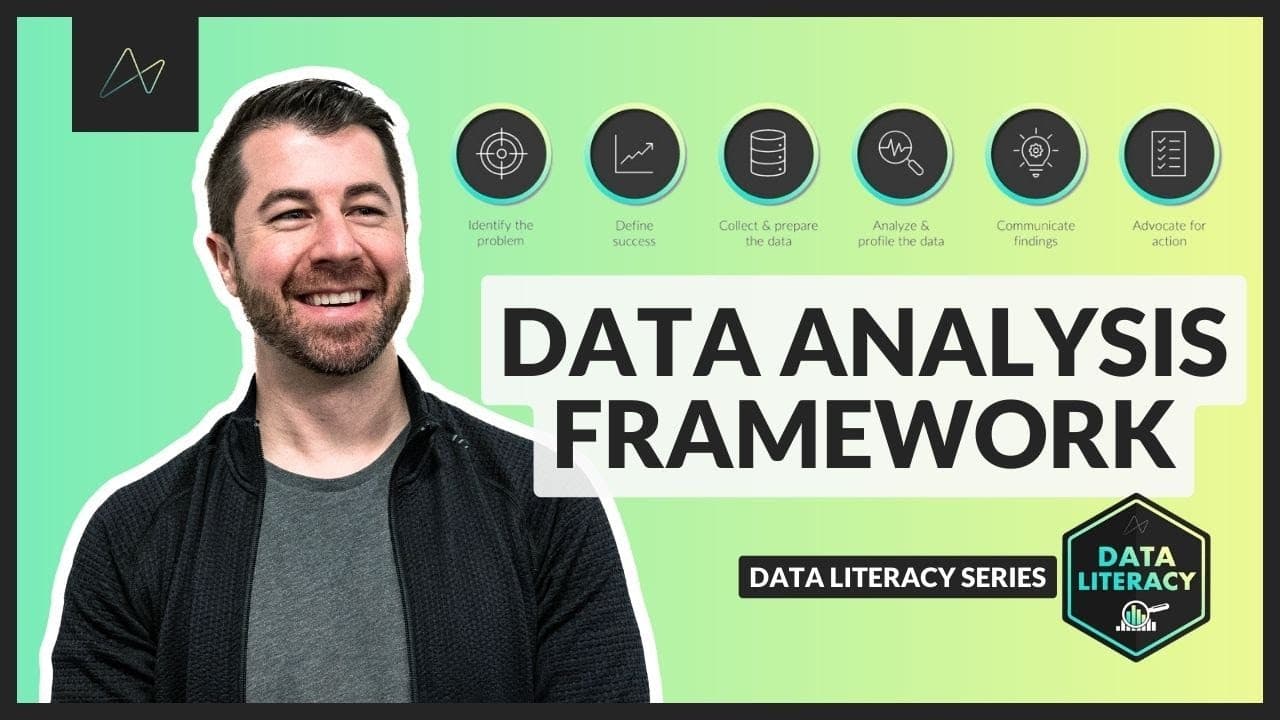
Identify the problem first, then define what success looks like with specific metrics, and finally collect, prepare, and analyze the data before communicating insights and advocating action. This framework helps turn data into actionable, business-focused recommendations that align with strategy and drive measurable outcomes.
Transcript
we live in a world that runs on data it's how Amazon and Netflix know which movies and products to recommend how Starbucks manages a global supply chain and how Uber connects drivers with passengers in real time but the thing is data skills aren't just for tech companies or professional analysts anymore everyone works with data to some degree and e... Read More
Key Insights
- The key to effective analysis is solving a business problem before diving into data.
- Define success at the outset by specifying the target outcomes and identifying the metrics that will quantify progress.
- Data collection and preparation come before exploration, ensuring clean, usable inputs for analysis.
- Exploration and pattern recognition should uncover actionable insights that move the defined metrics.
- Communication matters: tell a story that clearly links findings to business value.
- Visualizations should support the narrative and help stakeholders grasp key takeaways quickly.
- Action advocacy is essential; propose concrete, measurable steps tied to outcomes.
- Always consider accountability by outlining how to measure the impact of recommended changes.
Install to Summarize YouTube Videos and Get Transcripts
Explore YouTube Video Summarizer or Get YouTube Transcript Extractor
Questions & Answers
Q: How to start thinking like a data analyst according to the framework?
Start by identifying the exact business problem you are trying to solve and determine which outcomes matter most to stakeholders. Then define what success looks like by choosing specific metrics and the data you will need. This creates a clear scope and targets that guide the entire analysis workflow from data collection to action.
Q: What comes after defining success in the data process?
After defining success, you move to collecting and preparing the data. This involves understanding data sources, accessibility, data quality, and whether the data needs cleaning, transformation, or enrichment. A solid preparation phase prevents waste and misinterpretation, forming a reliable foundation for downstream analysis.
Q: Why is data preparation crucial before analysis?
Data preparation is crucial because it ensures the data is clean, high quality, and properly formatted. Garbage in, garbage out is a common issue if data quality is neglected. Proper QA, profiling, and enrichment create a rock solid foundation that enables accurate exploration and trustworthy insights.
Q: What does effective data exploration involve?
Effective exploration involves slicing and dicing the data to reveal patterns and trends that address the defined metrics. It asks which views support the analysis, what patterns emerge, and whether any nuggets provide actionable insights that can influence business outcomes. The goal is to find meaningful, testable observations.
Q: How should findings be communicated to non-technical audiences?
Findings should be communicated with a clear narrative that summarizes the problem, the approach, and the most compelling insights. Use data visualization to support the story and ensure the key points are understandable without deep technical knowledge. The emphasis is on clarity and relevance to business goals.
Q: What is the role of storytelling in data analysis?
Storytelling helps connect data to decision making by translating numbers into a coherent narrative. It guides stakeholders through the problem, data, insights, and recommended actions, making it easier to grasp why the findings matter and how they should influence strategy and operations.
Q: What does advocating for action entail in this framework?
Advocating for action means proposing concrete, data-driven recommendations that tie directly to the defined success metrics. It also involves outlining how to measure the expected impact, demonstrating accountability and providing a roadmap for implementation that stakeholders can follow.
Q: How does the course mentioned fit into the framework?
The video promotes a free data literacy foundations course that complements the framework by offering structured guidance on building data skills. It supports individuals and teams aiming to improve data-driven decision making through practical lessons and hands-on exercises aligned with real-world outcomes.
Summary & Key Takeaways
-
This video introduces a practical framework for data analysis, emphasizing starting with the business problem and aligning on success metrics before data collection. It explains data preparation, exploration, and the importance of clear communication to stakeholders. It also covers advocating for action and tying insights to measurable business impact.
-
The framework balances structured analysis with room for exploratory work, noting that governance and data quality are crucial for reliable results. It highlights storytelling and visualization as essential tools for conveying findings to non-technical audiences.
-
A reminder is included that the best insights lead to action and accountability, with guidance on how to plan and measure the potential impact of recommended changes.
Read in Other Languages (beta)
Share This Summary 📚
Summarize YouTube Videos and Get Video Transcripts with 1-Click
Try YouTube Summary with ChatGPT & Claude or YouTube Transcript Generator
Explore More Summaries from Maven Analytics 📚



Summarize YouTube Videos and Get Video Transcripts with 1-Click
Try YouTube Summary with ChatGPT & Claude or YouTube Transcript Generator