Campbell's Soup Scandal: Racist Remarks and PR Fallout
TL;DR
A Campbell Soup executive was recorded making derogatory comments about the company's products and colleagues, leading to a PR crisis. The conversation highlighted concerns over the high sodium content in Campbell's products and raised questions about the company's hiring practices. The executive's remarks have sparked a debate about food standards and corporate responsibility in the food industry.
Transcript
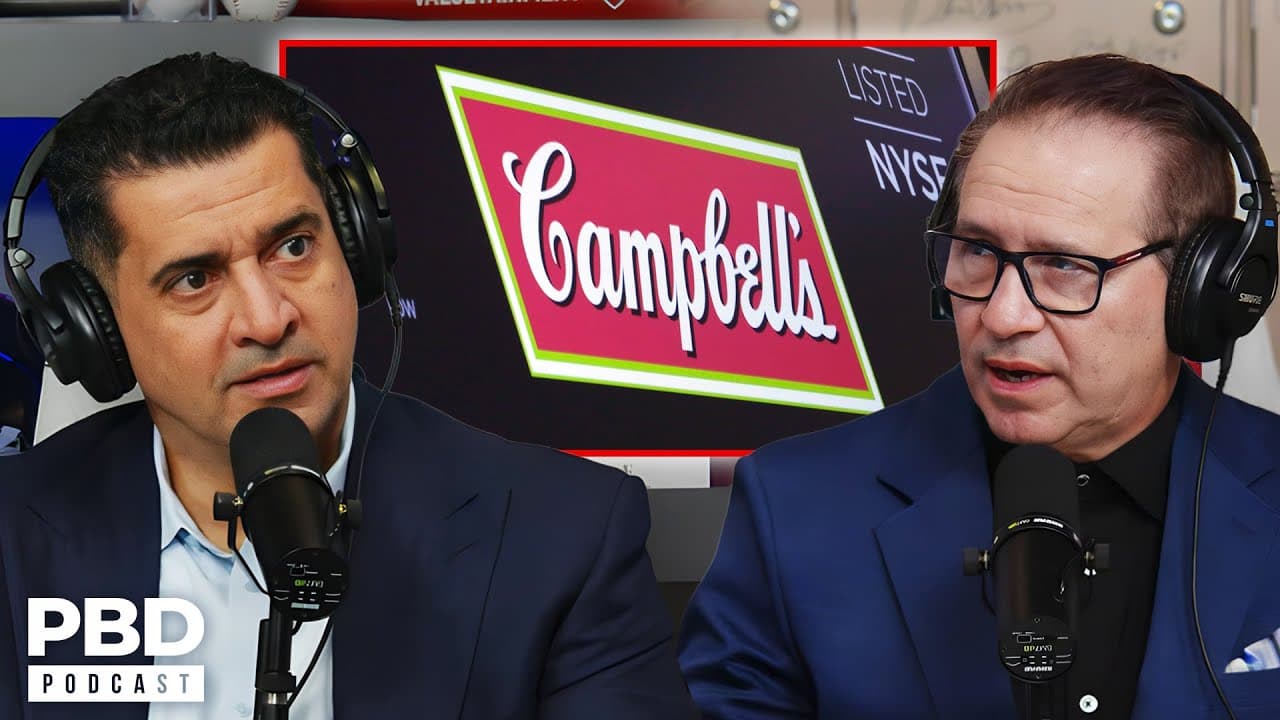
All right. So, Campbell soups. Okay. When you're, you know, in a military or maybe you're just a regular Joe. If you go into the average person's pantry, you're probably going to find some Campbell Soup. Okay. Campbell Soup executive allegedly calls company's product for poor people. Did you hear that? In secret recording. And this somehow someway ... Read More
Key Insights
- A Campbell Soup executive was recorded making derogatory comments, calling the product 'food for poor people.'
- The recording has led to a PR crisis for Campbell Soup, with calls for the executive's dismissal.
- Campbell's products, particularly their soups, have high sodium content, raising health concerns.
- The incident has highlighted the need for better hiring practices and HR oversight at large companies.
- The scandal underscores the challenges facing the food industry, including public perceptions of product quality.
- Campbell Soup's leadership is focused on damage control and improving their public image.
- The scandal offers an opportunity for Campbell to pivot and address food quality and health standards.
- Corporate culture and executive behavior are under scrutiny, emphasizing the importance of ethical leadership.
Install to Summarize YouTube Videos and Get Transcripts
Explore YouTube Video Summarizer or Get YouTube Transcript Extractor
Questions & Answers
Q: What did the Campbell Soup executive say in the recording?
The Campbell Soup executive was recorded making derogatory comments about the company's products, referring to them as 'food for poor people.' The executive also made offensive remarks about his colleagues, particularly targeting Indian coworkers. These comments have led to a public relations crisis for the company and calls for the executive's dismissal.
Q: How has Campbell Soup responded to the scandal?
Campbell Soup is currently focused on damage control, with leadership likely taking steps to address the PR fallout. The company is expected to dismiss the executive involved and review its hiring practices to prevent similar incidents in the future. Additionally, Campbell may use this opportunity to address concerns about their product quality and health standards.
Q: What are the health concerns associated with Campbell's products?
One of the main health concerns associated with Campbell's products is their high sodium content. For example, a single can of soup can contain 600 milligrams of sodium, which is a significant portion of the recommended daily intake. High sodium intake is linked to health issues such as hypertension and heart disease, prompting calls for healthier product options.
Q: How does this scandal impact the food industry's reputation?
The scandal impacts the food industry's reputation by highlighting issues related to product quality, health standards, and corporate responsibility. It underscores the need for transparency and accountability in the industry, as well as the importance of ethical leadership. Companies may face increased scrutiny from consumers and regulators, prompting them to improve their practices.
Q: What role do hiring practices play in corporate scandals?
Hiring practices play a critical role in preventing corporate scandals by ensuring that employees align with a company's values and ethical standards. Poor hiring practices can lead to the employment of individuals who may engage in unethical behavior, damaging the company's reputation. Companies must implement thorough vetting processes and maintain strong HR oversight to mitigate such risks.
Q: What opportunities does the scandal present for Campbell Soup?
The scandal presents an opportunity for Campbell Soup to pivot and improve its public image by addressing concerns about product quality and health standards. The company can use this moment to reformulate products, reduce sodium levels, and promote healthier options. Additionally, Campbell can reinforce its commitment to ethical leadership and corporate responsibility, potentially gaining consumer trust.
Q: How does sodium intake affect health?
High sodium intake is associated with various health risks, including hypertension, heart disease, and stroke. Consuming too much sodium can lead to increased blood pressure, which is a major risk factor for cardiovascular diseases. Health organizations recommend limiting sodium intake to promote heart health and reduce the risk of related health issues.
Q: What steps should companies take to manage a PR crisis?
To manage a PR crisis, companies should act swiftly to address the issue, communicate transparently with the public, and take responsibility for any wrongdoing. This may involve dismissing individuals involved, reviewing and improving internal policies, and engaging with stakeholders to rebuild trust. Companies should also focus on long-term solutions to prevent similar incidents in the future.
Summary & Key Takeaways
-
A Campbell Soup executive was caught on a secret recording making offensive remarks about the company's products and colleagues, sparking a major PR crisis. The incident has put a spotlight on Campbell's high sodium content and raised questions about their hiring practices. The company's leadership is now focused on damage control and addressing these issues.
-
The recording, made by a former cybersecurity analyst, has gone viral, leading to public outrage and calls for the executive's dismissal. The scandal highlights the challenges facing the food industry, including consumer concerns about product quality and health standards.
-
Campbell Soup is now under pressure to improve its public image and address the issues raised by the scandal. The incident serves as a cautionary tale for other companies about the importance of ethical leadership and the need for transparency and accountability in corporate culture.
Read in Other Languages (beta)
Share This Summary 📚
Summarize YouTube Videos and Get Video Transcripts with 1-Click
Try YouTube Summary with ChatGPT & Claude or YouTube Transcript Generator
Explore More Summaries from Valuetainment 📚





Summarize YouTube Videos and Get Video Transcripts with 1-Click
Try YouTube Summary with ChatGPT & Claude or YouTube Transcript Generator