What Is Vedic Astrology and How Does It Affect You?
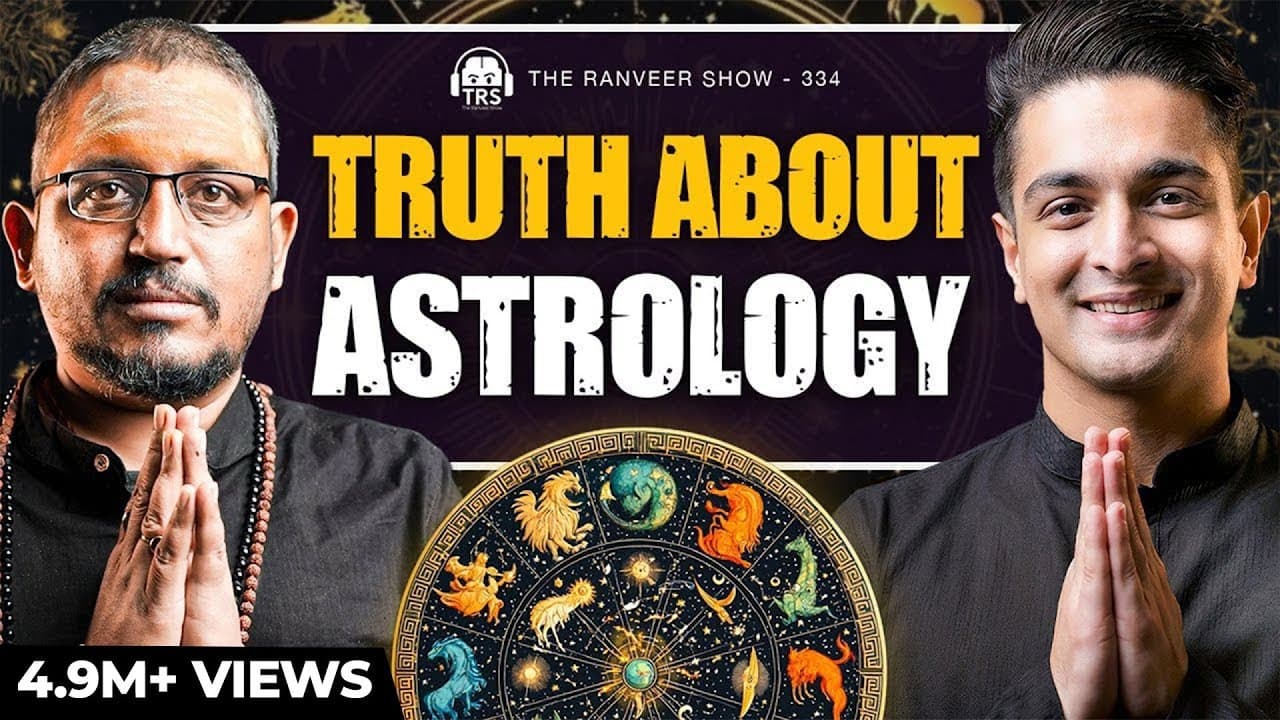
TL;DR
Vedic astrology, or Jyotisha, interprets the positions of celestial bodies at the time of birth to provide insights into personality and life events. It differs from Western astrology primarily in zodiac alignment and the emphasis on lunar positions. Understanding your birth chart can help navigate challenges and karma through specific rituals or remedies.
Transcript
with Mars we have this idea that it is very commonly called as mangalik manglik is basically certain combinations of Mars are present in the horoscope whether they're in this seventh house Eighth House couple of other three years are there so that causes a disturbance in the married life previously it used to be believed that it will cause death to... Read More
Key Insights
- 🥳 Vedic astrology is a comprehensive system focusing on the positions of celestial bodies at the time of birth, influencing individual traits and life events.
- 😌 The differences between Western astrology and Vedic astrology lie primarily in the zodiac alignment and the importance placed on the Moon's position and houses.
- 👪 Each of the 12 houses in a horoscope represents different areas of life, providing insights into personality, family, career, and existential themes.
- 🤵 Rituals, such as horoscope matching and pujas, are considered crucial for mitigating adverse planetary influences, especially concerning marriage and relationships.
- ⚖️ Understanding astrology requires a balance; while it provides valuable insights, individuals should remain proactive and responsible for their choices and actions.
- ❓ Specific astrological conditions, like manglik dosha, require careful consideration and analysis to avoid potential marital discord.
- 🎙️ More videos with Rajarshi Nandy:
Install to Summarize YouTube Videos and Get Transcripts
Explore YouTube Video Summarizer or Get YouTube Transcript Extractor
Questions & Answers
Q: What is Vedic astrology, and how does it differ from Western astrology?
Vedic astrology, or Jyotisha, is a traditional Indian system that focuses on planetary positions at the time of birth, providing insights into personal traits and life events. Unlike Western astrology that primarily emphasizes the Sun sign, Vedic astrology involves a comprehensive analysis of the entire horoscope, including the Moon and rising signs, often resulting in different interpretations due to the zodiac's alignment differences.
Q: How do the positions of planets (grahas) affect an individual's life according to Vedic astrology?
Each planet signifies different qualities and influences depending on its position in the horoscope. For instance, the Sun represents one's ego, creative self, and vitality, while the Moon reflects emotions and mind stability. An astrologer analyzes planetary combinations to predict potential challenges or areas of strength in an individual's life trajectory.
Q: What is the significance of the 12 houses in Vedic astrology?
The 12 houses in Vedic astrology represent different aspects of life, ranging from personality and wealth to relationships and spirituality. For example, the first house relates to self-identity, the second to family and speech, the seventh to partnerships and marriage, and the tenth to career and public status, creating a holistic view of a person's life circumstances.
Q: Can Vedic astrology be used to change one's fate or karma?
While Vedic astrology provides insights into one's karmic path, it does not claim to change fate entirely. Certain rituals, meditative practices, and worship of deities can mitigate negative influences from planets, allowing individuals to respond to challenges with greater awareness and control over their actions, thus impacting their karmic outcomes positively.
Q: What are manglik dosha and its implications for marriage?
Manglik dosha refers to a condition in Vedic astrology where Mars is positioned in a way that may negatively affect marital harmony. Traditionally believed to cause challenges such as separation or even spouse death, it is crucial for horoscope matching to assess the presence of a similar condition in both partners to mitigate potential adverse effects.
Q: How can one utilize astrology in daily life without becoming overly dependent on it?
Individuals can benefit from astrology by understanding their life patterns and potential challenges while maintaining personal agency. Instead of obsessively checking forecasts, it's advisable to use astrology as a tool for reflection and strategic planning, allowing for personal growth and decision-making based on broader trends rather than fixed predictions.
Q: What role does karma play in Vedic astrology, and can it entirely define one’s life?
Karma manifests as the accumulated actions from past lives that influence present circumstances. In Vedic astrology, a person's horoscope reflects these karmic debts and potentials. While certain karmic patterns can be enduring, the practice of self-awareness, spiritual discipline, and positive actions can shift one’s trajectory over time.
Summary & Key Takeaways
-
The content provides an introduction to Vedic astrology, discussing the significance of planets (grahas) and houses (rashis) in predicting life events and personality traits.
-
It delves into the differences between Western astrology and Vedic astrology, highlighting how various factors like time of birth influence astrological readings.
-
Rituals, horoscope matching, and remedies are examined as methods to navigate challenges posed by planetary positions, emphasizing the intricate relationship between karma and astrology.
Read in Other Languages (beta)
Share This Summary 📚
Summarize YouTube Videos and Get Video Transcripts with 1-Click
Try YouTube Summary with ChatGPT & Claude or YouTube Transcript Generator