How to Talk to Children About Race and Bias
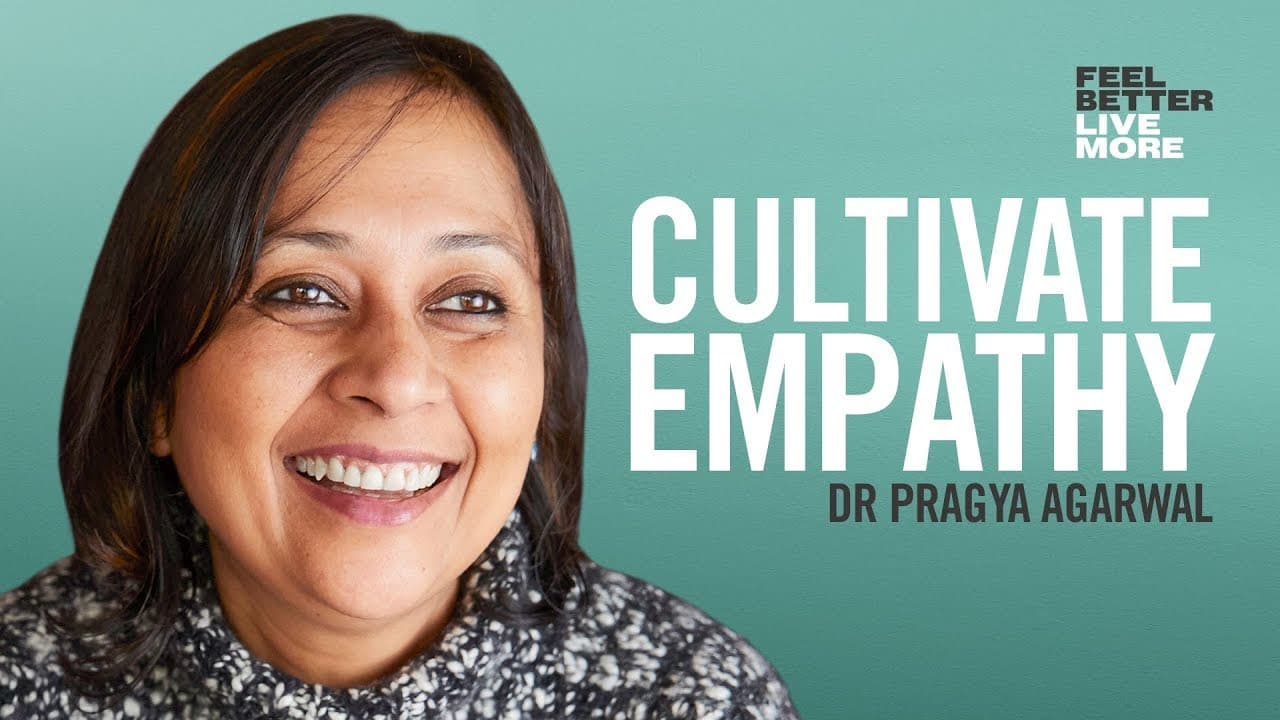
TL;DR
Talk openly with children about race because they notice skin color and absorb messages from peers, books, and media even when adults remain silent. Acknowledging differences while explaining that they should never justify inequality can prevent stereotypes from becoming entrenched, strengthen children’s identities, and prepare them to understand or respond to racial bullying.
Transcript
point of these conversations is not to create a divisive world because we want to remove divisions we want equality we want fair mindedness we want everybody to have the same opportunities no matter what and i think for that we have to hear why some people are not having the same opportunities or they might have certain obstacles and unless we hear... Read More
Key Insights
- Children are not colorblind because they notice skin color and other visible differences as cues for categorizing and identifying people. Avoiding the subject does not remove those observations, it leaves children to interpret them through messages gathered from media, books, peers, and society.
- A colorblind upbringing is not the best approach because silence can allow assumptions and stereotypes to form without challenge. Parents can acknowledge that racial differences exist while teaching that those differences should never determine people’s opportunities, worth, or treatment.
- Children use transductive reasoning to generalize from individual examples. After seeing one person from a racial or ethnic group behave in a particular way or experience racism, a child may incorrectly assume that the example represents everyone from that group.
- Unquestioned assumptions can become deeply entrenched as children grow older. Explicit conversations give parents opportunities to discover what children believe, correct broad generalizations, explain unequal treatment, and prevent outside messages from becoming their default understanding of race.
- Secure cultural identity helps children become comfortable and confident in who they are. When children feel pressure to fit in, they may reject their heritage, language, food, or traditions and develop a conflicting divide between their behavior at home and outside it.
- Code-switching between home culture and the predominant outside culture can create confusion and conflict. The discussion connects this tension with experiences of distancing oneself from Indian heritage, feeling shame about cultural practices, and later recognizing heritage as crucial to identity.
- Witnessing racism or racial bullying can negatively affect children’s mental and physical well-being, including children who are bystanders. Seeing unequal treatment in person or through media therefore creates a reason for all parents to prepare children to understand what is happening.
- White parents also have a responsibility to discuss race because their children may witness racism, see a friend treated differently, or absorb social hierarchies. Understanding race can support their well-being and help them become allies to people facing racial bullying or insecurity.
Install to Summarize YouTube Videos and Get Transcripts
Explore YouTube Video Summarizer or Get YouTube Transcript Extractor
Questions & Answers
Q: Why should parents talk to children about race?
Parents should discuss race because children already notice skin color and absorb ideas about difference from books, media, peers, and the world around them. Silence does not prevent racial assumptions from forming. It can leave stereotypes unexamined until they become deeply ingrained. Direct conversation allows parents to question generalizations, explain unequal treatment, and teach that visible differences should never justify inequality.
Q: Why is a colorblind approach unhelpful for children?
A colorblind approach is unhelpful because children are not actually blind to skin color. They use visible features to categorize people and make sense of social experiences. If adults avoid the subject, children may construct explanations from incomplete or biased messages. A better approach recognizes difference openly while emphasizing that race should not determine anyone’s value, opportunities, or treatment.
Q: How do children develop racial stereotypes?
Children can develop stereotypes by combining their observations with messages from media, books, peers, and society. They may also use transductive reasoning, meaning they generalize from a single example. Seeing one person of a particular race behave in a certain way, or experience racialization, may lead them to assume that everyone in that group is similar unless an adult challenges the conclusion.
Q: How can parents help children feel secure in their cultural identity?
Parents can help by discussing culture and heritage explicitly, presenting them as valued parts of family identity, and creating space for children to talk about discomfort or pressure to fit in. Children who feel secure in their identities are better prepared to move through the world confidently. They may also be more capable of supporting peers who face racial bullying or feel insecure about their backgrounds.
Q: Why might children distance themselves from their heritage?
Children may distance themselves from their heritage because they want acceptance from peers or greater alignment with the predominant culture. They can feel uncomfortable about their language, food, traditions, or behavior at home, especially if they believe others may mock them. This pressure can produce shame, encourage rejection of cultural practices, and create conflict between home identity and public identity.
Q: What is the impact of witnessing racism on children?
Witnessing racism or racial bullying can negatively affect a child’s mental and physical well-being, even when the child is not the direct target. The conversation also notes that seeing racism in media can have an effect. Preparing children to understand why unequal treatment occurs can help them process the confusion and emotions that might otherwise remain unsupported.
Q: Why should white parents discuss race with their children?
White parents should discuss race because their children still encounter racial inequality, whether through friends, public situations, bullying, or media. Bystanders can be affected by witnessing racism, and silence may leave them unable to interpret what happened. Open discussion can explain why some people are treated differently, challenge stereotypes, and prepare children to support others rather than simply conform to outside views.
Q: How should parents explain racial differences without creating division?
Parents can explain that people have visible and cultural differences, but those differences should never become grounds for unequal treatment or reduced opportunity. They can also acknowledge that historical oppression has contributed to some people being treated differently. The purpose is not to create division, but to understand existing obstacles so families can promote equality, fairness, secure identities, and shared responsibility.
Summary & Key Takeaways
-
Children notice skin color and use visible differences to categorize people, even when families avoid discussing race. Messages from books, media, peers, and society can then create unexamined stereotypes. Parents can interrupt this process by discussing difference directly, questioning assumptions, and making clear that difference must never become a basis for inequality.
-
A colorblind approach may leave children without the language or support needed to interpret racism, racial bullying, and unequal treatment. The conversation argues that children who experience or witness racism can suffer harm to their mental and physical well-being, making proactive guidance important for children of every culture, background, and ethnicity.
-
Open conversations can also help children feel secure in their cultural identities. Pressure to fit into a predominant culture may lead children to distance themselves from their heritage, language, food, or traditions. Families can reduce shame and internal conflict by treating heritage as a valued, comfortable, and explicit part of identity.
Read in Other Languages (beta)
Share This Summary 📚
Summarize YouTube Videos and Get Video Transcripts with 1-Click
Try YouTube Summary with ChatGPT & Claude or YouTube Transcript Generator
Explore More Summaries from Dr Rangan Chatterjee 📚






Summarize YouTube Videos and Get Video Transcripts with 1-Click
Try YouTube Summary with ChatGPT & Claude or YouTube Transcript Generator