How to Improve the Technical SEO of Your Website (After Analyzing 1,000+ Sites) with Thomas Jepsen

TL;DR
Thomas Jepson shares essential technical SEO strategies and insights for improving website performance.
Transcript
welcome to the niche Pursuits podcast today we're joined by Thomas Jepson and he joins us to talk about all things technical on websites if you love the technical aspects of ranking a site today is your episode and if you struggle with it you might want to listen in because Thomas has a lot of knowledge on this topic we get into the nitty-gritty an... Read More
Key Insights
- 🤔 Technical SEO challenges like thin content and poor link structure can significantly impact website performance.
- ❓ AI-generated content can be risky if not supplemented by human oversight; quality should be prioritized.
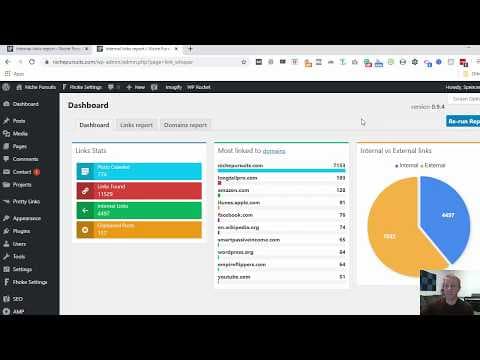
- 🦻 Consistent internal linking aids in content discovery and can improve overall website navigation and authority.
- 🧑⚕️ Tools like Google Search Console are essential for identifying indexation issues, with specific metrics indicating the health of a website's SEO.
- 💨 Deleting low-performing pages can benefit overall site quality and assist in faster indexing of valuable content.
- 💨 Structured data enhances the way content is interpreted by search engines, potentially aiding visibility.
- ❓ Regular audits and content management practices are crucial for sustainable SEO success.
Install to Summarize YouTube Videos and Get Transcripts
Explore YouTube Video Summarizer or Get YouTube Transcript Extractor
Questions & Answers
Q: What are some common technical issues websites face in SEO?
Common issues include poor content quality, thin or duplicate content, indexation problems, and neglecting internal linking. Jepson highlights that many sites struggle with maintaining quality across their content, leading to potential penalties from Google. Moreover, issues like incorrect canonical tags and not disavowing bad links can compound these challenges.
Q: How can AI-generated content affect SEO rankings?
While AI content can save time and resources, Jepson warns that if it’s just regurgitated information without value, it may be classified as thin content, potentially harming rankings. Google focuses on quality, and sites that heavily rely on AI without human editing may experience penalties.
Q: What should website owners do if they notice falling traffic and keywords?
Jepson advises against publishing more content blindly. Instead, site owners should analyze why traffic is declining, focusing on improving existing content or reducing the volume of indexed pages that don't drive traffic. A thorough audit can help identify which content to optimize or delete.
Q: How important are internal links for SEO?
Internal links are crucial for establishing a cohesive website structure, guiding users and search engines through the content. Jepson emphasizes their role in distributing link equity and improving the overall perceived authority of topics across interconnected pages.
Q: What is the difference between “crawled currently not indexed” and “discovered currently not indexed” pages?
“Crawled currently not indexed” pages indicate that Google has visited the page but chose not to index it due to perceived quality issues. In contrast, "discovered currently not indexed" suggests that Google has identified the page but hasn't crawled it yet, which can raise red flags regarding potential site-wide problems.
Q: When should a website owner consider deleting content?
If a page has not generated any impressions or keywords over a significant period, it may indicate that the content is not valuable. Jepson recommends deleting such content to improve overall site quality, as it can enhance Google’s assessment of the site’s value.
Q: How can structured data and schema markup benefit a website?
Implementing structured data can help Google understand the context of content more effectively. Although it may not provide massive traffic boosts, it can lead to quicker indexing and improve visibility in search results through enhanced rich snippets.
Q: What role does topical authority play in SEO?
Jepson expresses skepticism about the concept of topical authority but acknowledges that creating comprehensive content around a subject can enhance perceived authority. Internal links and quality content are more significant factors in improving rankings than simply producing articles within the same topic cluster.
Summary & Key Takeaways
-
Thomas Jepson discusses common technical SEO challenges including indexation issues, content quality, and the impact of AI-generated content in website audits.
-
He emphasizes the importance of structured internal linking and quality content, warning against the use of low-quality AI content that may harm site rankings.
-
The interview explores practical strategies for website owners, such as managing thin content, leveraging schema, and understanding Google Search Console metrics.
Read in Other Languages (beta)
Share This Summary 📚
Summarize YouTube Videos and Get Video Transcripts with 1-Click
Try YouTube Summary with ChatGPT & Claude or YouTube Transcript Generator
Explore More Summaries from Niche Pursuits Podcast: Find Your Next "Niche" Business Idea! 📚




Summarize YouTube Videos and Get Video Transcripts with 1-Click
Try YouTube Summary with ChatGPT & Claude or YouTube Transcript Generator