How Diana Became Bigger Than Crown, The People's Princess
TL;DR
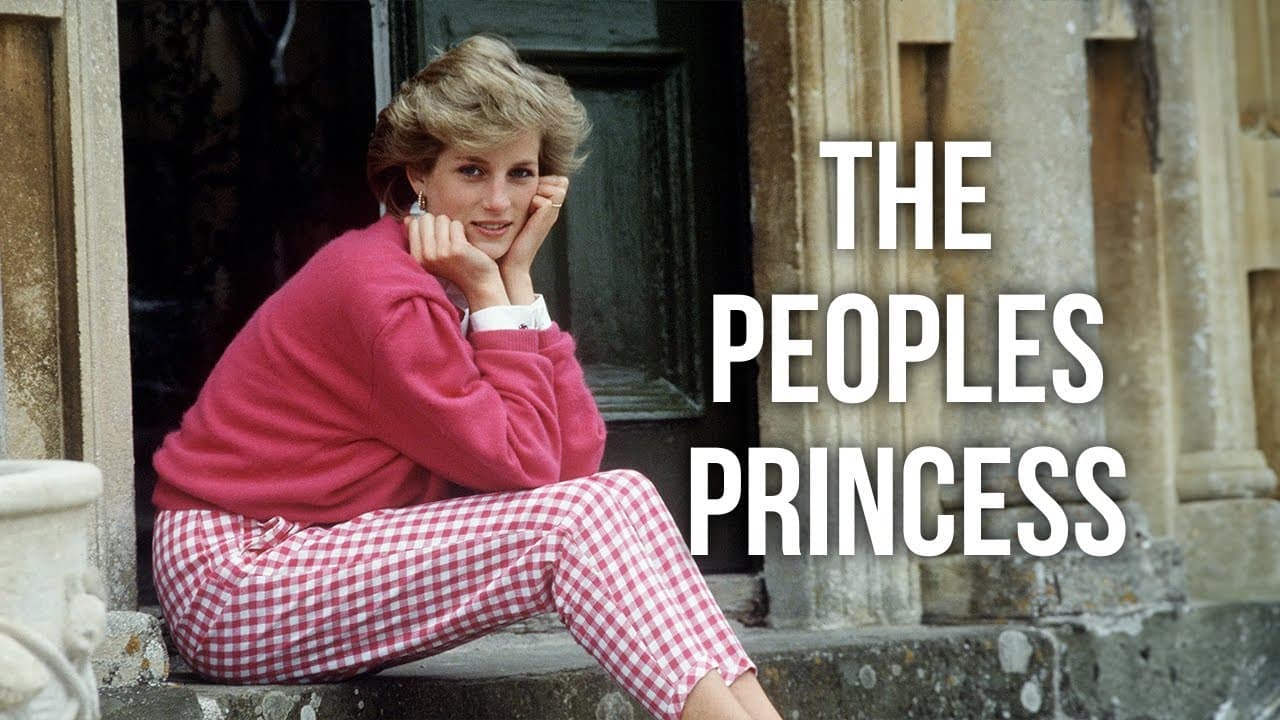
Diana grew into a global symbol through warmth, public appeal, and a life shaped by her village upbringing, schooling, and nanny years. The film traces her Norfolk roots, love of animals, and early acts of domestic helpfulness that prepared her for a life in the public eye, explaining why she remains the people’s princess.
Transcript
foreign the funeral of Diana Princess of Wales on September the 6th 1997 was a huge and Regal occasion Millions lined the route and television stations the world over cleared their schedules to carry pictures of the young princes following the coffin on which lay a wreath of white orchids and rosebuds bearing the heartbreaking message mummy 100 mil... Read More
Key Insights
- Diana’s image was built from genuine warmth and everyday helpfulness.
- Park House and Norfolk life shaped Diana’s love of the outdoors and simplicity.
- She excelled in swimming and ballet, showing early grace and confidence.
- Nanny roles connected her to families, foreshadowing royal proximity.
- Her private moments and candid behavior contrasted with public expectations.
- Public fascination grew from a mix of royal association and personal relatability.
- Her charitable appeal tied to her ability to be seen as approachable.
- Her life story blends aristocratic roots with a relatable, human core.
Install to Summarize YouTube Videos and Get Transcripts
Explore YouTube Video Summarizer or Get YouTube Transcript Extractor
Questions & Answers
Q: What early life environment helped form Diana’s public persona?
Diana grew up at Park House on the Queen’s estate in Norfolk, described as a warm, cozy home with siblings and a supportive father. This rural, homey setting emphasized simplicity, outdoor life, and a non glamorous, practical approach to daily tasks, which later contributed to her relatable image as the people’s princess.
Q: How did Diana’s education and school life influence her later image?
Diana attended a boarding school where she learned through typical school life, including sports and social interactions. She often appeared shy with unfamiliar people but could be extroverted around friends, showing a balance between reserve and sociability that later translated into a public persona that was both approachable and engaging.
Q: What hobbies and talents did Diana have in her youth that impacted her public appeal?
Diana was an excellent swimmer with a talent for diving, able to perform a flawless straight dive. She also enjoyed ballet and singing, practicing piano duet pieces, which showcased grace and musical ability. These talents highlighted her as a well rounded, dynamic individual and contributed to her elegant public image.
Q: What role did Diana’s nanny work play in her life trajectory?
Diana worked as a nanny in London, where she was described as affectionate, warm, and helpful, often going beyond what was asked, such as running errands and assisting with household chores. This experience connected her with families and introduced her to the world of service, social interaction, and responsibility that later aligned with royal life.
Q: How did Diana’s potential path toward leadership within royal circles begin?
Diana’s connection to the royal circle began through close encounters and interactions observed at events like polo matches, where she was photographed and noticed by those who could influence her future. A bank slip with her name indicated growing contact with aristocracy, signaling the start of her path toward becoming part of the royal family.
Q: What public symbols or moments helped cement Diana as a global icon?
Diana’s global icon status emerged from a combination of royal proximity and public warmth, including media coverage of her life events, charitable associations, and the way she engaged with ordinary people with genuine warmth. Her ability to be seen as approachable while maintaining royal visibility helped solidify her status as the people’s princess.
Q: How did Diana’s upbringing influence her approach to charity and public service?
From a young age, Diana showed a preference for helping others, whether by caring for animals, assisting staff, or participating in community activities. This practical helpfulness translated into a compassionate public image, aligning her with charitable work and a service oriented persona that resonated with people around the world.
Q: What does the documentary suggest about Diana’s enduring legacy beyond the crown?
The documentary argues that Diana’s enduring legacy comes from her ability to connect with ordinary people, her warmth, and her acts of service that transcended royal hierarchy. By presenting both her private upbringing and public life, it explains why she is remembered as more than a royal figure, but as a symbol of humanity and empathy.
Q: Why is Diana described as bigger than the crown in this documentary?
The film suggests Diana became bigger than the crown through the depth of public reaction to her life, her relatable personality, and the perception that she embodied qualities ordinary people could recognize and admire. Her early experiences, warmth, and charitable presence contributed to a lasting image that surpassed royal status.
Q: How does the documentary portray the private side of Diana’s life in relation to her public image?
The documentary presents Diana’s private life as closely tied to her public image, emphasizing her down to earth upbringing, hobbies, and practical kindness. It argues that these private experiences shaped a public persona rooted in humanity, generosity, and accessibility, which helped her resonate with a global audience.
Q: What overall message does the documentary convey about Diana’s impact on history?
The documentary conveys that Diana reshaped royal influence by humanizing the monarchy, showing that royal figures can connect deeply with people through empathy, charity, and everyday acts of kindness. Her ability to captivate the world with a sincere, approachable image is presented as a significant cultural impact.
Summary & Key Takeaways
-
Diana’s early life was rooted in a warm, homey upbringing at Park House on the Queen’s estate, with siblings and a supportive father. The documentary highlights her preference for outdoor life, sports, and a practical, unglamorous side that shaped how she related to others.
-
She demonstrated leadership in small, everyday tasks, helping with chores, caring for pets, and assisting with household duties, which earned her affection from staff and those around her, laying the groundwork for her public persona.
-
Her rise to prominence began with involvement in nanny work and positions that connected her to royal life, culminating in a public image of service, warmth, and accessibility that contributed to her enduring title of the people’s princess.
Read in Other Languages (beta)
Share This Summary 📚
Summarize YouTube Videos and Get Video Transcripts with 1-Click
Try YouTube Summary with ChatGPT & Claude or YouTube Transcript Generator
Explore More Summaries from Documentary Central 📚





Summarize YouTube Videos and Get Video Transcripts with 1-Click
Try YouTube Summary with ChatGPT & Claude or YouTube Transcript Generator